How to Transplant Rocky ledge penstemon?
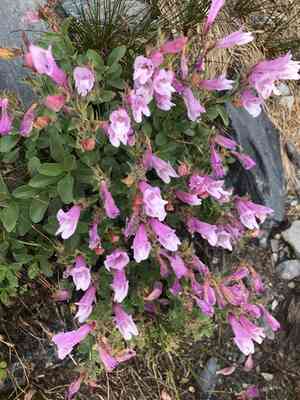
For rocky ledge penstemon, relocating it in late spring or early summer guarantees peak development, allowing the plant to settle prior to the intense heat of midsummer. Make sure rocky ledge penstemon is moved to a bright spot with soil that drains effectively for superior outcomes.
What Preparations are Needed Before Transplanting Rocky Ledge Penstemon?
What is the Ideal Time for Transplanting Rocky Ledge Penstemon?
The best period for relocating rocky ledge penstemon is from late spring to early summer. This timeframe allows the plant sufficient opportunity to establish its root system before the intense heat of summer. Moving it during this time promotes root development and minimizes transplant stress, leading to vigorous growth and blooming.
How Much Space Should You Leave Between Rocky Ledge Penstemon Plants?
Ensure each rocky ledge penstemon is positioned approximately 12-18 inches (30-45 cm) apart. This provides adequate room for healthy development and air circulation.
What is the Best Soil Mix for Rocky Ledge Penstemon Transplanting?
Prepare a soil that drains effectively, ideally a sandy or gravelly mixture. Incorporate a foundational fertilizer that is low in nitrogen but rich in phosphorus and potassium to support root establishment.
Where Should You Relocate Your Rocky Ledge Penstemon?
Select a sunny spot for your rocky ledge penstemon. It flourishes best with a minimum of 6 hours of daily sunlight.
What Equipments Should You Prepare Before Transplantation Rocky Ledge Penstemon?
Gardening Gloves
To safeguard your hands while handling soil and plants.
Hand Trowel
For digging small, precise holes to improve accuracy during the transplanting process.
Spade or Shovel
Required for excavating a larger hole and lifting the plant from its original spot.
Watering Can
To hydrate the rocky ledge penstemon plant both before and after transplanting, keeping the soil moist.
Bucket
Useful for transporting surplus soil or for transplanting if the plant is in a container.
Pruning Shears
To trim any damaged or excessive roots prior to transplanting.
How Do You Remove Rocky Ledge Penstemon from the Soil?
How Do You Remove Rocky Ledge Penstemon from the Soil?
From Ground: Hydrate the rocky ledge penstemon plant to moisten the soil. Then, use a spade or shovel to dig a wide trench around the plant, keeping the root ball intact. Work the spade beneath the root ball and carefully lift the plant from its initial location.From Pot: Water the plant thoroughly to loosen the soil. Gently tilt the pot sideways and tap the base to dislodge the root ball. Slide the plant out without harming the roots.From Seedling Tray: Water the seedlings to loosen the soil. Use a small trowel or your fingers to carefully lift each seedling from the tray. Be sure to handle seedlings by their leaves, not stems, to prevent damage.
Step-by-Step Guide for Transplanting Rocky Ledge Penstemon
Preparing the New Site
Excavate a hole in the ground that is twice as wide and the same depth as the root ball of your rocky ledge penstemon plant.
Amend the Soil
Incorporate compost or suitable soil amendments into the hole to enrich the soil and enhance drainage.
Remove the Plant
Carefully extract the rocky ledge penstemon plant from its original spot, ensuring the root ball remains intact.
Place the Plant
Position the rocky ledge penstemon plant in the center of the new hole. Make sure the top of the root ball is level with or slightly above the surrounding soil.
Backfill the Hole
Gently refill the hole with soil, pressing lightly to eliminate any air pockets and stabilize the plant.
Water Thoroughly
Water the plant extensively immediately after transplanting to help settle the soil around the roots.
How Do You Care For Rocky Ledge Penstemon After Transplanting?
Watering
Maintain consistent moisture for the rocky ledge penstemon, but avoid saturation. Water thoroughly right after transplant and keep the soil damp for the subsequent few weeks.
Mulching
Apply a layer of mulch around the plant's base to help retain moisture, regulate soil temperature, and reduce weed competition.
Monitoring
Regularly inspect the rocky ledge penstemon for indications of transplant shock or root issues. Address any problems promptly to support healthy growth.
Fertilizing
Wait several weeks after transplanting before applying any fertilizer to prevent stressing the plant. Follow the recommended guidelines for your specific plant type.
Troubleshooting Common Issues with Rocky Ledge Penstemon Transplantation.
When is the perfect time to transplant rocky ledge penstemon?
The optimal period is in early to mid-summer when temperatures are warmer.
What is the recommended spacing for rocky ledge penstemon?
Space each plant 12-18 inches (30-45 cm) apart for ideal growth.
How deep should I plant rocky ledge penstemon?
Plant rocky ledge penstemon at the same depth it was previously growing, typically around 4 inches (10 cm) deep.
Why are my transplanted rocky ledge penstemon wilting?
Wilting can be a sign of transplant shock. Ensure proper hydration and initially avoid direct afternoon sun.
What soil is best for transplanting rocky ledge penstemon?
Well-draining soil with a mix of sand and organic matter is ideal for rocky ledge penstemon.
How should I prepare the new site for rocky ledge penstemon?
Loosen the soil and incorporate compost before transplanting rocky ledge penstemon to ensure healthy growth.
How often should I water freshly transplanted rocky ledge penstemon?
Water them thoroughly immediately after transplanting and keep the soil moist but not waterlogged.
Can I transplant rocky ledge penstemon during the blooming season?
It's best to avoid transplanting rocky ledge penstemon while blooming to minimize stress on the plant.
What if the transplanted rocky ledge penstemon shows slow growth?
Ensure it's not overwatered, check soil drainage, and consider adding a slow-release fertilizer.
How to protect rocky ledge penstemon from transplant shock?
Transplant during cooler parts of the day, water well, and provide shade if needed to reduce stress.



