How to Prune Rocky ledge penstemon?
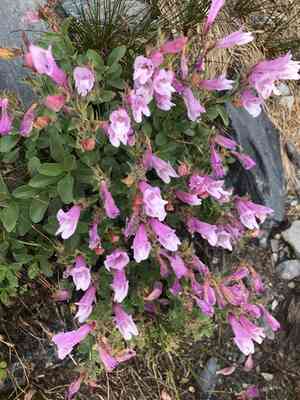
Penstemon rupicola, or Rocky ledge penstemon, is recognized for its vibrant flowers and resilient characteristics. The most effective time for trimming is in late winter or early spring, prior to the emergence of new shoots. Essential methods include excising deceased, injured, or infected stalks to foster vigorous development. Consistently deadheading faded blossoms can prolong the flowering season and encourage a denser form. Trimming aids in preserving the plant's vitality, stimulates abundant blooming, and upholds its structural soundness, rendering it a beneficial routine for sustaining garden beauty.
Advantages of Trimming Rocky Ledge Penstemon
Advantages of Trimming Rocky Ledge Penstemon
Trimming rocky ledge penstemon boosts its robust development and helps keep its form. Regular trimming encourages strong growth, ensures better blooms, and manages plant size. It also improves appearance and lowers vulnerability to pests and diseases.
Optimal Time for Trimming Rocky Ledge Penstemon
Optimal Time for Trimming Rocky Ledge Penstemon
Trimming rocky ledge penstemon in late winter or early spring is best, allowing the plant to recover quickly before its active growth period. During this time, rocky ledge penstemon is still dormant or just starting to awaken, minimizing stress and reducing infection risk. Pruning then promotes healthy new growth and optimal flowering. Additionally, it helps shape and manage the plantâs size and form before it puts energy into blooming.
Tools Required for Trimming Rocky Ledge Penstemon
Hand Pruners
Perfect for precise cuts on smaller stems and branches. They help maintain shape and encourage healthy new growth.
Bypass Pruners
Use for cutting stems up to 3/4 inch thick. Their scissor-like action is suitable for making clean cuts, reducing plant damage.
Pruning Shears
Essential for removing spent flowers. Helps promote further blooming and keeps rocky ledge penstemon neat.
Loppers
For thicker branches that hand pruners cannot manage. Loppers provide the leverage needed for clean cuts on woodier plant parts.
Gloves
To protect hands from thorns and rough plant surfaces. Keeps hands safe while trimming.
Isopropyl Alcohol Wipes
For sanitizing pruning tools between cuts to prevent disease transmission.
How to Trim Rocky Ledge Penstemon
Inspect
Carefully check rocky ledge penstemon for any signs of diseased or withered leaves. This is vital for identifying which parts need to be cut.
Sanitize
Before starting any trimming, sanitize your pruning shears with a mixture of one part bleach to nine parts water to prevent pathogen spread.
Remove diseased
Using sanitized shears, remove any diseased leaves by cutting just below the affected area. Be sure to dispose of these leaves properly to avoid contaminating the rest of the plant.
Remove withered
Trim withered leaves by cutting at the base where they connect to the stem. This will help maintain the plant's appearance and health.
Observe
After trimming, observe rocky ledge penstemon periodically to ensure that any new signs of disease or withering are promptly addressed. Regular checks can prevent disease spread and maintain plant vigor.
Common Trimming Errors with Rocky Ledge Penstemon
Incorrect Technique
Cutting too close to the main stem can harm the plant and create wounds that may become entry points for diseases.
Excessive Trimming
Removing too many branches or foliage at once can stress the plant, hindering its growth and flowering potential.
Trimming at the Wrong Node
Incorrectly identifying nodes for cutting can lead to uneven growth and poorly shaped plants, affecting overall aesthetics and health.
Using Unclean or Dull Tools
Dirty or blunt pruning tools can cause tearing instead of clean cuts, increasing the risk of infection and disease.
Neglecting Deadheading
Not removing spent flowers can delay further blooming cycles and reduce the plant's vitality.
General Trimming Advice for Rocky Ledge Penstemon
Clean Cuts
Always ensure that you make clean cuts slightly above a leaf node or bud to encourage healthy new growth.
Moderation
Trim moderately by removing no more than a third of the plantâs branches at any one time to minimize stress and allow for adequate recovery.
Sterilize Tools
Regularly sterilize pruning tools with a mix of water and alcohol to prevent disease spread.
Focus on Leggy Growth
Cut leggy stems back to a healthy bud to encourage a bushier appearance and avoid top-heavy growth.
Deadheading
Consistently remove spent blooms throughout the growing season to encourage more flowers and maintain plant vigor.



