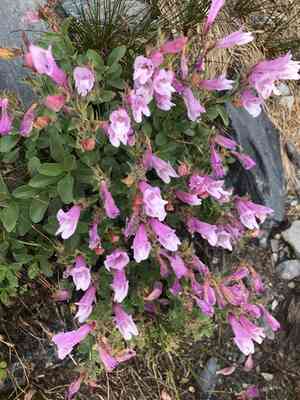
Rocky ledge penstemon (Penstemon ellipticus)
Also known as: Persistant Beardtongue
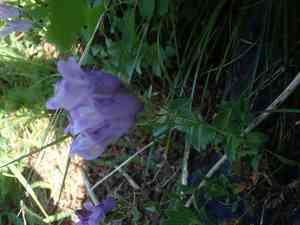
Rocky ledge penstemon is an appealing perennial featuring tubular blooms in shades of purple to blue, often accented with a white throat. This plant flourishes in well-drained, rocky, or sandy soils, particularly on rocky slopes and in alpine meadows. Its slender leaves and upright growth make it well-suited to environments with limited moisture and high elevations. Blooming from late spring to early summer, it provides a striking visual display and attracts pollinators like bees and hummingbirds.
In This Article
Attributes of Rocky ledge penstemon
Lifespan
Perennial
Plant Type
Herb
Plant Height
30-60 cm
Spread
20-40 cm
Leaf Color
Green
Flower Size
1-2 cm
Flower Color
Blue, Violet
Images of Rocky ledge penstemon
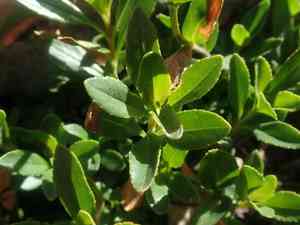
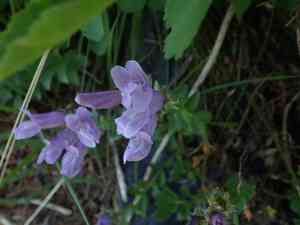
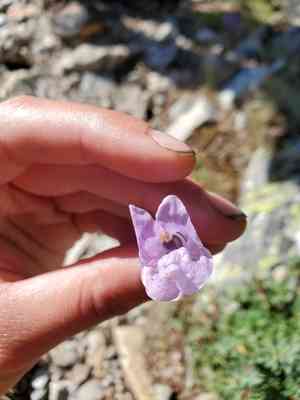
Quickly Identify Rocky ledge penstemon
1
Penstemon ellipticus can be identified by its elliptic leaves, tubular flowers that range in color from blue to violet, and a persistent open seed capsule after flowering.
Scientific Classification of Rocky ledge penstemon
Phylum
Vascular plants
Class
Dicotyledons
Order
Lamiales
Family
Plantain
Genus
Penstemon
Species
Rocky ledge penstemon
Planting and Growing of Rocky ledge penstemon
Care Difficulty
Moderate
Watering Schedule
Every 2 days
Sunlight Requirements
Partial sun
Sunshine Duration
6-10 hours
Ideal Temperature
55-75℉
Soil Type
Potting Mix, Peat Mix
Soil pH
6.5-7.5
Fertilizer Type
Balanced
Pruning Season
Spring, Summer
Pruning Area
Branches, Leaves
Pruning Frequency
2 times a year
Repotting Season
Spring
Pot Type
Plastic, Ceramic
 How to Water Rocky ledge penstemon?
For Penstemon ellipticus, aim to water enough so that the soil is evenly moist but never waterlogged. This typically means about 250 ml per session, making sure the water drains well without standing on the surface. The rule of thumb is to mimic a rain shower—a deep yet brief soak, which encourages deep root growth.
What are the symptoms of an underwatered Rocky ledge penstemon?
›
What should I do if my Rocky ledge penstemon is not getting enough water?
›
What are the symptoms of an overwatered Rocky ledge penstemon?
›
How to save an overwatered Rocky ledge penstemon?
›
 What Are the Sunlight Requirements for Rocky ledge penstemon?
Penstemon ellipticus thrives in full to partial sun, receiving 6 to 8 hours daily. Adequate sunlight promotes healthy growth, vibrant blooms, and overall plant vitality.
What is the best lighting for Penstemon ellipticus?
›
How can I ensure Penstemon ellipticus gets this ideal light?
›
What benefits does ideal lighting provide to Penstemon ellipticus?
›
 What Is the Ideal Temperature Range for Rocky ledge penstemon?
The ideal temperature range for Penstemon ellipticus is between 55°F and 75°F. Within this range, the plant can thrive, exhibiting optimal growth and flowering. This temperature ensures that the plant's metabolic processes function efficiently and contributes to its overall health and vitality.
 What Soil is Best for Rocky ledge penstemon?
Penstemon ellipticus thrives in well-drained soils that prevent water from pooling around the roots. Adequate drainage keeps the roots healthy, reducing risks of root rot and fostering strong plant growth. A nutrient-rich soil helps ensure that Penstemon ellipticus receives all the necessary elements for robust growth. This includes essential nutrients like nitrogen, phosphorus, and potassium which support overall plant health. This plant prefers a slightly acidic to neutral pH, within a range of 6.5 to 7.5. This pH range optimizes nutrient availability and absorption, improving the plant's vitality and flowering potential.
 How to Fertilize Rocky ledge penstemon?
For Penstemon ellipticus, aim to use a balanced 10-10-10 NPK fertilizer. For liquid fertilizers, dilute to half the recommended concentration. For granular, about 1 teaspoon per plant is ideal. Always follow the manufacturer's instructions as a guideline and observe your plant's response.
 How to Prune Rocky ledge penstemon?
Begin by identifying dead or diseased wood and cut it back to the base. For shaping, trim back about one-third of the plant selectively to encourage a bushier growth. This can be done just before the plant starts its active growing season in spring, and again lightly in summer after blooming to maintain its aesthetic appeal.
More About Pruning Techniques→
 How to Propagate Rocky ledge penstemon plant?
1
Once the Penstemon ellipticus flowers fade, collect seeds directly from the plant. Ensure seeds are fully mature, as immature seeds could result in low germination rates.
2
Choose healthy stems and cut 10-15 cm long cuttings. Remove lower leaves, leaving a few at the top. Dip the cut end in rooting hormone to enhance root development.
3
For seeds, sow them evenly in the prepared trays filled with well-drained soil. For cuttings, insert them into a moist substrate and provide indirect sunlight. Keep the medium moist for both methods.
 How to Repot Rocky ledge penstemon plant?
1
Penstemon ellipticus should be repotted when its roots become crowded or outgrow the current pot. Look for signs like roots tangling below the pot or water not soaking properly; these indicate it's time for a bigger home!
2
Select a pot that's one size larger with drainage holes to prevent waterlogging. Clay pots are ideal as they allow better aeration, reducing root rot risk and helping maintain a more balanced moisture level for your plant.
3
Opt for a well-draining potting mix with organic matter. It's crucial because it provides essential nutrients while avoiding water retention that could lead to root decay, thus keeping Penstemon ellipticus healthy and thriving.
Learn More About Rocky ledge penstemon Diseases
Anthracnose
Bacterial Leaf Spot
Bacterial Soft Rot
Bacterial Wilt
Crown Gall
Cyst Nematode
Damping-off
Downy Mildew
Drought Stress
Fusarium Wilt
Gray Mold
Leaf Curl
Leaf Spot
Mosaic
Nutrient Deficiency
Nutrient Toxicity
Powdery Mildew
Root Rot
Root-knot Nematode
Rusts
Sooty Mold
Spider Mites
Temperature Stress
Thrips Damage
White Mold



