How to Transplant Cleveland's beardtongue?
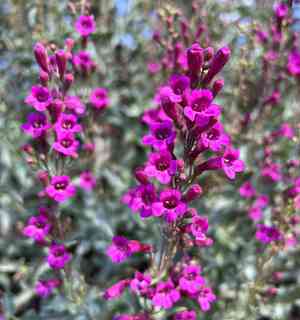
Relocate cleveland's beardtongue between the end of spring and the beginning of autumn, since this timeframe enables its root system to properly settle in the warmer climate. Select a bright, adequately drained spot to guarantee optimal growth without strain.
What Preparations are Needed Before Relocating Cleveland's Beardtongue?
What is the Ideal Time for Relocating Cleveland's Beardtongue?
The best period for moving cleveland's beardtongue is from the beginning to the end of summer. This timeframe offers warm soil and consistent moisture, which aids in root establishment. Relocating during these months ensures the plant has ample time to adjust and develop strong roots before colder seasons, improving its overall health and growth.
How Much Space Should You Leave Between Cleveland's Beardtongue Plants?
When relocating cleveland's beardtongue, ensure each plant is spaced 18-24 inches (45-60 cm) apart. This provides sufficient air circulation and room for development, helping the plant flourish.
What is the Best Soil Mix for Cleveland's Beardtongue Relocation?
For cleveland's beardtongue, utilize well-drained, sandy or loamy soil. Before relocating, prepare the soil by incorporating a balanced fertilizer according to package directions. This will establish a good nutrient foundation for the plant.
Where Should You Relocate Your Cleveland's Beardtongue?
Select a sunny location for relocating cleveland's beardtongue. It thrives with at least 6 hours of direct sunlight daily, which encourages healthy growth and blooming.
What Equipment Should You Prepare Before Relocating Cleveland's Beardtongue?
Gardening Gloves
To safeguard your hands while handling soil and the plant.
Shovel or Spade
To excavate the plant and prepare the new planting site.
Trowel
For more precise digging and adjusting the plant's position in its new spot.
Watering Can or Hose
To hydrate the plant before and after its move.
Mulch
To assist in retaining soil moisture post-relocation.
Plant Support Stakes and Ties
If the plant is tall or top-heavy, these can help stabilize it after being moved.
How Do You Extract Cleveland's Beardtongue from the Soil?
How Do You Extract Cleveland's Beardtongue from the Soil?
From Ground: First, water the cleveland's beardtongue plant to moisten the soil. Then, dig a wide trench around the plant using a shovel or spade, ensuring the plant's root ball remains intact. Carefully work the spade beneath the root ball to lift the plant from its original spot.From Pot: Water the cleveland's beardtongue thoroughly. Gently tilt the pot sideways and tap the sides to loosen the soil and roots. Carefully slide the plant out, supporting the base of the plant and the root ball.From Seedling Tray: Water the seedlings well before moving them. Use a trowel or your hands to gently lift each seedling out, holding the leaves or stems but being careful not to harm the roots.
Step-by-Step Guide for Relocating Cleveland's Beardtongue
Site Preparation
Prepare the new planting location by digging a hole twice as wide and slightly deeper than the root ball of your cleveland's beardtongue. Ensure the soil drains well.
Removal Preparedness
If moving from a pot or seedling tray, ensure the root ball is damp to ease the plant's transition.
Relocation
Place the cleveland's beardtongue into the hole, making sure the top of the root ball is level with the surrounding soil. Fill the hole with soil, gently firming it around the plant's base.
Watering
Water the plant thoroughly to help settle the soil around the root ball and minimize relocation shock. Ensure the water penetrates deep into the root zone.
Mulching
Apply a layer of mulch around the plant's base. This helps maintain moisture and regulate soil temperature.
How Do You Care For Cleveland's Beardtongue After Relocation?
Watering
Keep the soil around the cleveland's beardtongue consistently moist, but not waterlogged, for the initial few weeks after relocation to aid in establishing strong roots.
Monitoring
Observe for signs of relocation shock, such as wilting or yellowing leaves, and provide additional care as needed.
Feeding
After a few weeks, you can begin feeding the cleveland's beardtongue with a balanced fertilizer to encourage healthy growth.
Pruning
Remove any dead or damaged leaves to help the plant focus on new development.
Support
If necessary, use stakes and ties to support the plant until it can stand firmly on its own.
Troubleshooting Common Issues with Cleveland's Beardtongue Relocation.
When is the best time to relocate cleveland's beardtongue?
The optimal time to relocate cleveland's beardtongue is from early summer to late summer.
How much space should I allow between cleveland's beardtongue plants?
Provide 18-24 inches (45-60 cm) of space between each cleveland's beardtongue plant.
What should I do if my cleveland's beardtongue plant wilts after relocating?
Ensure sufficient watering and partial shade to help reduce relocation shock and wilting.
How deep should I plant cleveland's beardtongue when relocating?
Plant cleveland's beardtongue at the same depth it was originally growing to prevent root stress.
What soil type is ideal for relocating cleveland's beardtongue?
Well-draining soil with a sandy or loamy texture is ideal for relocating cleveland's beardtongue.
How can I avoid damaging cleveland's beardtongue roots during relocation?
Gently loosen the roots and handle the plant with care to minimize root damage.
Should I fertilize cleveland's beardtongue immediately after relocating?
Wait for a few weeks before fertilizing to allow cleveland's beardtongue to establish in its new spot.
What should I do if cleveland's beardtongue doesnât seem to grow after relocating?
Ensure proper watering, sunlight, and check for any signs of pests or diseases.
How to relocate cleveland's beardtongue with minimum stress?
Relocate during the cooler part of the day and water thoroughly after moving cleveland's beardtongue.
Can cleveland's beardtongue be relocated in any other season?
Relocating outside early to late summer is not advised due to increased stress.



