How to Prune Cleveland's beardtongue?
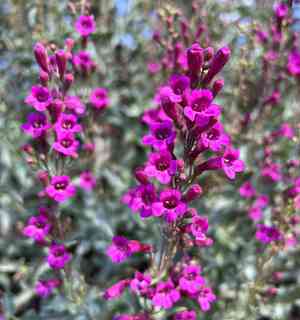
Cleveland's beardtongue is a vivid perennial recognized for its impressive tubular blossoms. To achieve peak vitality and flowering, perform pruning in the early spring or late winter, prior to the emergence of new shoots. Concentrate on excising deceased or compromised stalks and reducing dense sections to enhance air movement. Gently snip off faded flower stalks during the entire cultivation period to stimulate ongoing floral production. Judicious trimming boosts robustness, wards off ailments, and preserves a neat look, fostering an extended and more flourishing bloom cycle.
What Are the Benefits of Pruning Cleveland's Beardtongue?
What Are the Benefits of Pruning Cleveland's Beardtongue?
Trimming cleveland's beardtongue promotes robust development and helps maintain its desired form. It boosts blooming by eliminating spent flowers, which can extend the flowering period. Furthermore, pruning enhances air circulation, lowers disease risk, and keeps the plant neat and vibrant.
What Is the Best Time for Pruning Cleveland's Beardtongue?
What Is the Best Time for Pruning Cleveland's Beardtongue?
Trimming cleveland's beardtongue in late winter or early spring is ideal as it coincides with the plant's dormant phase. During these periods, the plant is less actively growing, meaning it experiences less stress and has a better chance to recover from cuts before its vigorous growth and flowering season begins. These timings ensure that cleveland's beardtongue can direct its energy towards producing new healthy shoots, leading to a more abundant and floriferous display during its blooming period. Additionally, pruning at these times aids in shaping the plant and removing any dead, damaged, or diseased wood, which supports overall health and vigor.
What Tools Do I Need to Prune Cleveland's Beardtongue?
Bypass Pruners
These are perfect for precise cuts on thinner branches of cleveland's beardtongue, ensuring clean, healthy cuts that encourage better healing and growth.
Pruning Shears
Useful for trimming small stems and shaping cleveland's beardtongue, maintaining its aesthetic form and promoting bushier growth.
Hand Pruners
Essential for deadheading faded flowers and removing dead or damaged stems, which helps cleveland's beardtongue to focus its energy on healthy growth.
Long-handled Loppers
These are advantageous for reaching the inner parts of cleveland's beardtongue without harming surrounding plants, allowing for the removal of thicker stems or branches if necessary.
How to Prune Cleveland's Beardtongue
Cut out diseased leaves
Examine the plant for any leaves showing signs of illness, such as discoloration, spots, or decay. Use sanitized pruning shears to carefully snip these leaves off at their base.
Remove withered leaves
Identify any leaves that are shriveled or dried out. Gently trim these leaves by cutting them off at the base, being careful not to harm any nearby healthy foliage.
Dispose of pruned material
Gather all trimmed leaves and discard them properly, away from the plant and any compost areas, to prevent disease spread.
Clean pruning shears
After pruning, ensure your pruning shears are cleaned and sterilized to eliminate any potential pathogens. This will help protect the plant from future infections.
Monitor plant health
Regularly check the plant for indications of new disease or wilting. Address these issues promptly by repeating the pruning process as needed.
Common Pruning Mistakes with Cleveland's Beardtongue
Improper technique
Using dull or dirty tools can cause jagged cuts and potentially introduce diseases.
Over-pruning
Removing too much plant material at once can shock cleveland's beardtongue and hinder its growth and flowering.
Pruning at the wrong time
Trimming during the incorrect growth stage can reduce the number of flowers and overall plant health.
Cutting too close to the main stem
This can damage the main stem, leading to potential infection and poor growth.
Common Pruning Tips for Cleveland's Beardtongue
Use clean, sharp tools
Ensure your pruning shears or scissors are clean and sharp to make crisp, precise cuts.
Sterilize tools
Sanitize your tools with a solution of one part bleach to nine parts water to prevent disease spread.
Prune dead and damaged stems
Remove any dead, diseased, or damaged stems first to maintain plant health.
Thin out crowded areas
Encourage air circulation and light penetration by thinning out dense areas, which also helps to reduce pest issues.
Make cuts at a 45-degree angle
This promotes better water runoff, reducing the risk of rot and infection.
Observe plant response
After an initial light trimming, observe cleveland's beardtongue's response before proceeding with more extensive pruning.



