How to Transplant Eastern gray beardtongue?
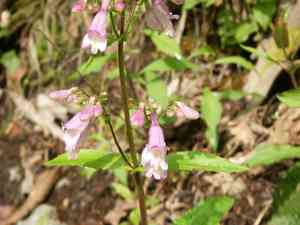
The most suitable time for transplanting eastern gray beardtongue is generally during the plant's active growth resumption or its dormancy preparationâspecifically from the beginning of spring through its middle, or from the end of autumn into the start of winter. This schedule capitalizes on temperate conditions, facilitating eastern gray beardtongue's adaptation to its new location. Choose an area featuring soil that drains effectively, a combination of sunlight and shadow, and sufficient room for its full development. Maintaining consistent soil moisture post-relocation will contribute to a successful transplantation.
What Preparations are Needed Before Transplanting Eastern Gray Beardtongue?
What is the Ideal Time for Transplanting Eastern Gray Beardtongue?
The perfect period for moving eastern gray beardtongue is during the pleasant days of early to mid-spring or the cooler period of late autumn. This timing helps avoid summer heat, allowing eastern gray beardtongue to establish roots in milder temperatures, ensuring a strong start for the next growth cycle. The gentle weather of these seasons provides a supportive environment, promoting root development and reducing transplant shock, thereby increasing eastern gray beardtongue's chances of flourishing in its new spot.
How Much Space Should You Leave Between Eastern Gray Beardtongue Plants?
Hello, gardening enthusiast! You'll want to provide your eastern gray beardtongue ample room to thrive. Aim to space them approximately 15-18 inches (38-46 cm) apart. This will give them sufficient area to spread out and develop robustly.
What is the Best Soil Mix for Eastern Gray Beardtongue Transplanting?
For your eastern gray beardtongue to flourish, well-draining soil is crucial. Incorporate some compost or a slow-release fertilizer to give them an excellent start. This 'nutritional boost' will keep your eastern gray beardtongue happy and healthy!
Where Should You Relocate Your Eastern Gray Beardtongue?
Your eastern gray beardtongue will appreciate a sunny location with some afternoon shade, especially in warmer climates. Aim for a spot that receives about 6 to 8 hours of sunlight daily. This will ensure your eastern gray beardtongue gets the light it requires without becoming overheated!
What Equipments Should You Prepare Before Transplantation Eastern Gray Beardtongue?
Gardening Gloves
To safeguard your hands while handling soil and plants.
Shovel or Spade
For digging up and relocating the plant.
Pruning Shears
To trim any damaged roots or foliage prior to transplanting.
Watering Can or Hose
To hydrate the plant following transplantation.
Wheelbarrow or Plant Cart
To transport the plant from its original spot to the new location.
Measuring Tape
To ensure proper spacing from other plants during site selection.
How Do You Remove Eastern Gray Beardtongue from the Soil?
How Do You Remove Eastern Gray Beardtongue from the Soil?
From Ground: Start by watering the eastern gray beardtongue to moisten the soil, which facilitates removal. Use a shovel or spade to dig a wide trench around the plant, being careful not to harm the root ball. Gently lift the plant from the ground, preserving as much of the root structure as possible.From Pot: Thoroughly water your eastern gray beardtongue and allow it to drain. Grasp the base of the plant and carefully tip the pot sideways, tapping or squeezing the pot as needed to loosen the root ball. Gently slide the root ball out while supporting the plant.From Seedling Tray: Water the seedling tray to ease extraction. Use a dibbler or a small tool to gently lift each individual eastern gray beardtongue from its cell, taking care not to disturb the roots more than necessary.
Step-by-Step Guide for Transplanting Eastern Gray Beardtongue
Preparation
Before removing your eastern gray beardtongue, ensure all necessary tools are ready and the new planting location has been chosen.
Root Ball Maintenance
When extracting the eastern gray beardtongue from its initial spot, keep the root ball as intact as possible. This will lessen the plant's stress and aid its recovery post-transplant.
Hole Preparation
Dig a hole in the new site that is twice the width of the root ball and equally deep. This will provide the eastern gray beardtongue ample space for root expansion without crowding.
Transplanting
Position the eastern gray beardtongue in the center of the hole, ensuring it stands upright. Carefully backfill with soil, gently firming it down to eliminate any large air pockets.
Watering
Immediately after transplanting your eastern gray beardtongue, water it thoroughly to help settle the soil around the roots and hydrate the plant.
Mulching
Apply a layer of mulch around the base of your eastern gray beardtongue to help retain soil moisture and regulate temperature.
How Do You Care For Eastern Gray Beardtongue After Transplanting?
Watering
Ensure the soil around your eastern gray beardtongue remains consistently moist, especially during the initial weeks to aid root establishment.
Mulching
Keep the mulch layer around your eastern gray beardtongue replenished; this helps conserve moisture and provides some nutrient enrichment as it breaks down.
Observation
Regularly check your eastern gray beardtongue for signs of stress such as wilting, discoloration, or leaf drop and address issues as needed.
Support
If the eastern gray beardtongue is tall or top-heavy, consider staking or providing other forms of support to stabilize it until its roots are strong enough to anchor the plant independently.
Troubleshooting Common Issues with Eastern Gray Beardtongue Transplantation.
When is the best time to transplant eastern gray beardtongue?
The optimal period to transplant eastern gray beardtongue is when temperatures are moderate, typically early to mid-spring or late fall to early winter.
How far apart should I space eastern gray beardtongue when transplanting?
For ideal growth, ensure a spacing of approximately 15-18 inches (38-45 cm) between each eastern gray beardtongue.
What should I do if eastern gray beardtongue wilts after transplanting?
Don't worry! Wilting can occur. Ensure eastern gray beardtongue receives sufficient water and protection from intense sun while it settles in.
Is it necessary to amend soil when transplanting eastern gray beardtongue?
Yes, enriching the planting area with well-rotted compost can give eastern gray beardtongue an excellent start.
How deep should I plant eastern gray beardtongue's root ball?
The root ball should be planted at the same depth it was previously growing, neither deeper nor shallower.
What sun exposure does eastern gray beardtongue need after transplant?
Eastern gray beardtongue thrives in full to partial sun. Select a location that receives ample daily sunlight.
How do I ensure eastern gray beardtongue doesn't get overwatered?
Water thoroughly but infrequently, allowing the soil to dry slightly between watering sessions.
Can eastern gray beardtongue be transplanted on a hot, sunny day?
It's best to transplant on a cloudy day or late in the afternoon to prevent heat stress.
When can I expect eastern gray beardtongue to bloom after transplanting?
Eastern gray beardtongue may require some time to adjust. Expect blooms possibly in the subsequent growing season.
How can I protect eastern gray beardtongue from pests during transplanting?
Inspect the plant and soil for pests before transplanting and use a mild insecticidal soap if necessary.



