How to Prune Eastern gray beardtongue?
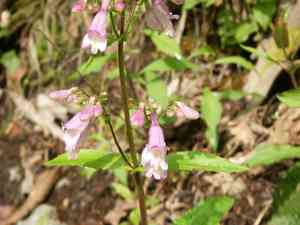
This enduring plant, featuring tubular blossoms and leaves favored in naturalistic gardens, thrives with the removal of faded flowers to stimulate further blooming. Trim stems once flowering concludes, typically in late summer or autumn, to preserve its form and deter unwanted self-propagation. Gentle thinning in spring improves air movement and lowers the chance of illness. Refrain from severe cutting to preserve the plant's inherent structure and foster vigorous development in the subsequent year.
What Are the Benefits of Pruning Eastern Gray Beardtongue?
What Are the Benefits of Pruning Eastern Gray Beardtongue?
Trimming eastern gray beardtongue promotes more abundant flowering and robust development, helping the plant maintain an appealing form. This routine upkeep assists eastern gray beardtongue in channeling energy towards producing vibrant blossoms while keeping it neat and thriving.
What Is the Best Time for Pruning Eastern Gray Beardtongue?
What Is the Best Time for Pruning Eastern Gray Beardtongue?
Pruning eastern gray beardtongue in late spring aligns with post-bloom care, encouraging the removal of faded flowers to stimulate a second flush and overall plant vitality. Early summer pruning aids in shaping the plant and managing its size, which is ideal as eastern gray beardtongue enters a slower growth phase, allowing recovery without sacrificing buds for the subsequent year. Autumn pruning should be light, concentrating on eliminating any dead or damaged stems, preparing eastern gray beardtongue for winter and preventing rot that can cause illness. It's crucial to avoid late fall pruning, which can trigger new growth vulnerable to winter damage.
What Tools Do I Need to Prune Eastern Gray Beardtongue?
Bypass Pruners
Perfect for making precise cuts on the tender stems of eastern gray beardtongue, minimizing harm to the plant's tissues.
Gardening Gloves
Protects hands when handling eastern gray beardtongue, especially when dealing with potentially sharp stems or for better grip.
Pruning Snips
Useful for detailed trimming and deadheading of eastern gray beardtongue's faded flowers, which encourages further blooming and sustains plant health.
Garden Scissors
Assists in shaping eastern gray beardtongue and clipping small, delicate stems with accuracy, without causing undue stress to the plant.
How to Prune Eastern Gray Beardtongue
Cleaning
Ensure eastern gray beardtongue is free of debris by clearing any fallen leaves or dead plant material from its base. This helps prevent disease and pest infestations.
Diseased leaves
Carefully inspect eastern gray beardtongue for signs of diseased foliage. Use sterilized pruning shears to cut away any affected leaves, making cuts close to the main stem without harming it.
Withered leaves
Identify and remove withered leaves from eastern gray beardtongue, snipping them off at their base where they meet the stem or branch to encourage healthy growth and air circulation.
Withered flowers
Deadhead spent blooms on eastern gray beardtongue by snipping the faded flowers just above the set of leaves below the flower stem to encourage new blooms and prevent self-seeding if not desired.
Cleanup
Dispose of all pruned material away from the garden to reduce the chance of disease spread. Clean pruning tools with a disinfectant to ensure they are ready for the next use.
Common Pruning Mistakes with Eastern Gray Beardtongue
Overpruning
Removing too much foliage from eastern gray beardtongue can weaken the plant, limit its ability to photosynthesize and reduce its potential for flowering.
Improper Cuts
Incorrect cutting techniques, such as making jagged cuts or cutting too far from the nodes, can lead to poor healing and increase the likelihood of disease.
Pruning Healthy Growth
Unnecessarily cutting back healthy stems can diminish the natural shape of eastern gray beardtongue and reduce its vigor.
Ignoring Deadheading
Failing to remove spent blooms from eastern gray beardtongue can lead to a decrease in new flower production, as the plant focuses energy on seed development.
Common Pruning Tips for Eastern Gray Beardtongue
Sharp Tools
Use clean, sharp pruning shears to make clean cuts that heal quickly, reducing the risk of disease and stress to eastern gray beardtongue.
Selective Pruning
Focus on removing dead or diseased stems, as well as any that are crossing or rubbing against each other, to maintain a strong structure and improve air circulation.
Deadheading
Regularly deadhead spent blooms by snipping them back just above the set of leaves beneath the flower. This encourages eastern gray beardtongue to produce more flowers.
Timing
Prune eastern gray beardtongue immediately after flowering to ensure that the plant can set buds for the next season without being inhibited by old growth.



