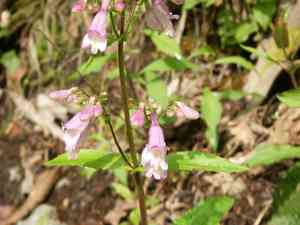
Eastern gray beardtongue (Penstemon canescens)
Also known as: Appalachian Beardtongue, Hairy Beardtongue, Beardtongue
Eastern gray beardtongue (Penstemon canescens), native to the Appalachian region, is a hardy and drought-tolerant plant. It flourishes in well-drained, sandy or rocky soils and does well in both full sun and partial shade. This plant is also known for attracting pollinators.
In This Article
Attributes of Eastern gray beardtongue
Lifespan
Perennial
Plant Type
Herb
Plant Height
30 cm to 91 cm
Spread
30 cm to 45 cm
Leaf Color
Gray-green
Flower Size
4 cm
Flower Color
White Pink Purple
Images of Eastern gray beardtongue
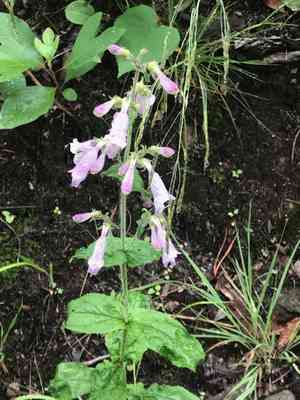
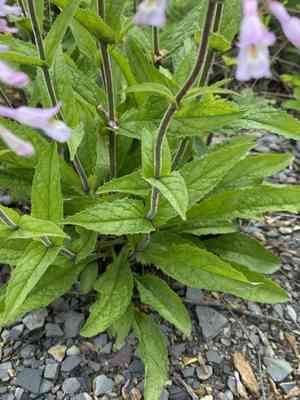
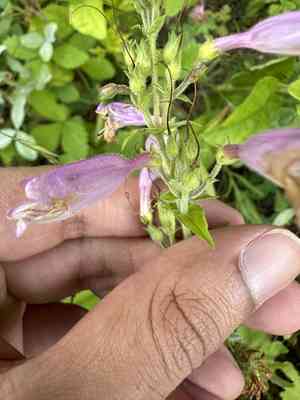
Quickly Identify Eastern gray beardtongue
1
Pale to purple 2-lipped tubular flowers from May to July.
2
Erect stems with dense gray hairs and sturdy structure.
3
Basal leaves broadly ovate, stem leaves oblong-lanceolate with toothed margins.
4
Delicate pink to purple flowers with distinctive swollen corolla and dark lines.
5
Small oval fruit capsule, green turning light brown, clustered at stem ends.
Scientific Classification of Eastern gray beardtongue
Phylum
Vascular plants
Class
Dicotyledons
Order
Lamiales
Family
Plantain
Genus
Penstemon
Species
Eastern gray beardtongue
Planting and Growing of Eastern gray beardtongue
Care Difficulty
Easy
Watering Schedule
Every 3 days
Sunlight Requirements
Full sun
Sunshine Duration
10-14 hours
Ideal Temperature
60-70℉
Soil Type
Potting Mix, Peat Mix
Soil pH
6.5-7.5
Fertilizer Type
Balanced
Pruning Season
Spring, Summer
Pruning Area
Branches, Leaves
Pruning Frequency
2 times a year
Repotting Season
Spring
Pot Type
Terracotta, Plastic
 How to Water Eastern gray beardtongue?
Penstemon canescens prefers moderately moist soil. Water until the soil is moist, but not soggy, ensuring the water reaches the root zone. A steady soak of about 200ml each time ensures the plant has enough moisture without waterlogging, which can lead to root rot.
What are the symptoms of an underwatered Eastern gray beardtongue?
›
What should I do if my Eastern gray beardtongue is not getting enough water?
›
What are the symptoms of an overwatered Eastern gray beardtongue?
›
How to save an overwatered Eastern gray beardtongue?
›
 What Are the Sunlight Requirements for Eastern gray beardtongue?
This plant prefers partial to full sun exposure, benefiting from morning sunlight with some afternoon shade. With such light conditions, Penstemon canescens will exhibit healthy growth and abundant blooms, enhancing its ornamental display.
More About Sunlight Requirements Techniques→
What is the optimal lighting condition for Penstemon canescens?
›
How can one achieve ideal lighting for Penstemon canescens?
›
What are the benefits if Penstemon canescens receives its ideal lighting conditions?
›
 What Is the Ideal Temperature Range for Eastern gray beardtongue?
Penstemon canescens thrives in environments where the temperature ranges consistently between 60 to 70°F. In these conditions, the plant exhibits optimal growth, developing vibrant flowers and sturdy stems. The consistency within this range ensures that the plant does not experience undue stress, promoting healthy photosynthesis and nutrient uptake.
 What Soil is Best for Eastern gray beardtongue?
Penstemon canescens thrives on well-drained soils, which helps prevent waterlogging. This soil condition is crucial for root health, enabling the plant to access oxygen and nutrients efficiently. A nutrient-rich soil provides essential elements necessary for vigorous growth and beautiful blooms. Incorporating organic matter such as compost can enhance the soil's fertility, supporting the plant's overall vitality. The ideal soil retains sufficient moisture without becoming soggy. This balance ensures the plant receives necessary hydration while reducing risks of root rot, promoting sustained growth and flowering.
 How to Fertilize Eastern gray beardtongue?
When it comes to fertilizing Penstemon canescens, aim for a balanced approach. Use approximately 0.5 tablespoons of balanced liquid fertilizer per gallon of water. For slow-release fertilizers, apply following package instructions but typically around 1 tablespoon per square foot is effective in providing sustained nutrients without overwhelming the plant.
 How to Prune Eastern gray beardtongue?
Begin by inspecting the Penstemon canescens for any dead or diseased stems and remove them completely. Next, trim back spent flower spikes to encourage more blooms. Cut about a third of the plant's overall growth in early spring to invigorate new shoots. Throughout the season, clip away any stray stalks to maintain desired shape and prevent legginess. Use clean, sharp pruning shears to ensure smooth cuts and promote quicker healing.
More About Pruning Techniques→
 How to Propagate Eastern gray beardtongue plant?
1
Start by filling the seed tray with a light potting mix. Plant the Penstemon canescens seeds on the surface of the mix, gently pressing them into the soil without covering them completely, as they need light to germinate.
2
Select healthy shoots and use pruning shears to cut stems approximately 10 cm long. Remove lower leaves and dip the cut end in rooting hormone before planting them in a well-aerated growing medium.
3
Dig up the parent plant carefully to avoid damaging roots. Separate the root clump into sections, ensuring each section has healthy roots and a shoot. Replant them immediately in a prepared site.
 How to Repot Eastern gray beardtongue plant?
1
Penstemon canescens signals it's time for repotting when roots begin to poke through the drainage holes or become root-bound, causing stunted growth. It's ideal to repot this plant during its active growing season to minimize stress and encourage strong new root development within a few weeks of repotting.
2
Opt for a pot that is one size larger than the current one with ample drainage holes. This helps prevent water from stagnating at the bottom, which can lead to root rot. The material should ensure proper air circulation, so clay pots are a great choice, offering both breathability and stability for taller plants.
3
Select a light, well-draining sandy soil mix that mimics the plant's natural habitat. A blend with equal parts garden soil, sand, and a bit of compost works wonders. This encourages not only effective drainage and sufficient aeration around the young root system but also retains necessary moisture and nutrients well.
Learn More About Eastern gray beardtongue Diseases
Anthracnose
Bacterial Leaf Spot
Bacterial Soft Rot
Bacterial Wilt
Crown Gall
Cyst Nematode
Damping-off
Downy Mildew
Fusarium Wilt
Gray Mold
Leaf Spot
Mosaic
Powdery Mildew
Root Rot
Root-knot Nematode
Rusts
Sooty Mold
White Mold
Chemical Injury
Drought Stress
Nutrient Deficiency
Nutrient Toxicity
Spider Mites
Temperature Stress
Thrips Damage



