How to Transplant Mat penstemon?
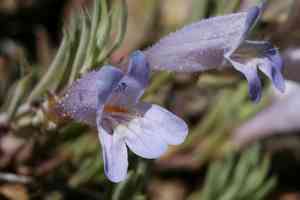
Mat penstemon flourishes when relocated in mid-spring and early summer, benefiting from rising soil temperatures. Select a bright, adequately drained spot to encourage robust development. Refrain from moving the plant during harsh weather to minimize strain.
What Preparations are Needed Before Transplanting Mat Penstemon?
What is the Ideal Time for Transplanting Mat Penstemon?
The best time to move mat penstemon is from mid-spring to early summer. This period allows the plant to establish itself well before the intense summer heat. Transplanting during these months encourages strong root growth and overall vigor, giving the plant a solid start in its new spot.
How Much Space Should You Leave Between Mat Penstemon Plants?
When relocating mat penstemon, ensure each plant is spaced approximately 18-24 inches (45-60 cm) apart. This provides ample room for growth without crowding, helping them flourish in their new environment.
What is the Best Soil Mix for Mat Penstemon Transplanting?
Prepare soil that drains well and is mixed with organic material for mat penstemon. Incorporating a starter fertilizer like compost or a balanced 10-10-10 (N-P-K) blend can stimulate initial development. Aim for a pH level between 6.0 and 7.0, which is slightly acidic to neutral.
Where Should You Relocate Your Mat Penstemon?
Select a sunny location for transplanting mat penstemon. This plant thrives in full sun, so ensure it receives at least 6-8 hours of direct sunlight daily to maintain its health and vibrancy.
What Equipments Should You Prepare Before Transplantation Mat Penstemon?
Gardening Gloves
To safeguard your hands while handling soil and plants.
Trowel or Small Shovel
For excavating around the plant and preparing the new planting site.
Watering Can or Hose
To hydrate the plant before and after its relocation.
Organic Compost or Well-Rotted Manure
To enrich the planting medium.
Mulch
To aid in retaining soil moisture post-transplant.
Pruning Shears
For trimming any damaged roots or foliage during the transplanting process.
How Do You Remove Mat Penstemon from the Soil?
How Do You Remove Mat Penstemon from the Soil?
From Ground: First, moisten the soil around the mat penstemon plant. Next, dig a wide circle around the plant with a shovel or spade, making sure the root ball stays intact. Carefully work the spade beneath the root ball to lift the plant from its original spot.From Pot: Water the mat penstemon plant thoroughly. Gently tap the pot's sides and bottom to loosen the plant. Carefully slide the plant out, supporting the root ball with your hand.From Seedling Tray: Water the mat penstemon seedlings well. Use a small tool, such as a pencil or stick, to carefully lift each seedling, ensuring no damage to the roots.
Step-by-Step Guide for Transplanting Mat Penstemon
Prepare the New Site
Ensure the new spot is ready for the mat penstemon plant. Dig a hole twice as wide as the plant's root ball and of equal depth.
Add Organic Matter
Mix some organic compost or well-rotted manure into the excavated soil to provide nutrients for the plant.
Place the Plant
Carefully position the mat penstemon plant in the hole, ensuring it sits at the same depth as it did in its previous location.
Fill the Hole
Gently backfill the hole around the plant with the enriched soil. Lightly press the soil down to remove any air pockets.
Water Thoroughly
Water the newly transplanted mat penstemon plant generously to help settle the soil around its roots.
Mulch
Apply a layer of mulch around the plant's base to help maintain moisture.
How Do You Care For Mat Penstemon After Transplanting?
Watering
Keep the soil around the mat penstemon consistently damp, but not waterlogged, for the initial weeks post-transplant to encourage strong root development.
Protection from Pests
Inspect the mat penstemon for any indications of pests or diseases. Employ natural pest control methods or insecticidal soap if necessary.
Pruning
Remove any dead or damaged leaves to promote healthy new growth.
Monitoring Growth
Observe the mat penstemon closely to ensure it is adapting well to its new environment. Make adjustments as needed to support its healthy development.
Troubleshooting Common Issues with Mat Penstemon Transplantation.
When is the best time to transplant mat penstemon?
Mid to late spring or early summer is ideal for relocating mat penstemon.
How much space should I leave between each mat penstemon plant?
Allow 18-24 inches (45-60 cm) of space between each mat penstemon plant.
How should I prepare the soil for transplanting mat penstemon?
Use well-draining soil enriched with compost for moving mat penstemon.
How deep should I plant mat penstemon during transplanting?
Plant mat penstemon at the same depth it was in its original container.
What should I do if mat penstemon shows signs of wilting after transplanting?
Ensure adequate hydration, but avoid overwatering. Provide shade for mat penstemon for a few days if needed.
How often should mat penstemon be watered after transplanting?
Water thoroughly after transplanting, then maintain consistent moisture without saturation.
What if the leaves of mat penstemon turn yellow after transplanting?
Yellow leaves can signal stress; check for proper soil drainage and prevent overwatering.
How to handle mat penstemon roots during transplanting?
Handle mat penstemon roots gently to prevent damage, and keep as much of the root ball as possible.
Do I need to fertilize mat penstemon immediately after transplanting?
Fertilizing isn't required right away; wait a few weeks to prevent root burn.
How to protect mat penstemon from pests after transplanting?
Regularly check mat penstemon for pests and use organic insecticidal soap if necessary.



