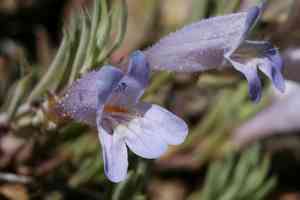
Mat penstemon (Penstemon caespitosus)
Also known as: Mat penstemon
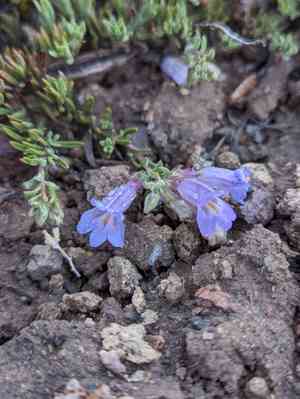
Mat penstemon is a low-growing perennial that excels in rocky, subalpine regions. It forms a dense mat of foliage and produces small, tubular flowers in shades of blue to violet. The hairy leaves help reduce water loss, allowing the plant to conserve moisture in harsh conditions. Blooming in summer, these vibrant flowers attract pollinators and add beauty to their rugged surroundings.
In This Article
Attributes of Mat penstemon
Lifespan
Perennial
Plant Type
Herb, Shrub
Plant Height
8 cm to 8 cm
Spread
0.2 to 0.4 meters
Leaf Color
Green
Flower Size
1.5 to 2.5 cm
Flower Color
Blue, violet
Images of Mat penstemon
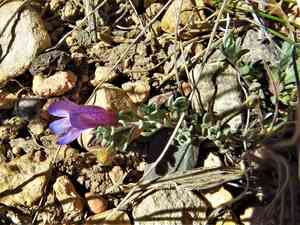
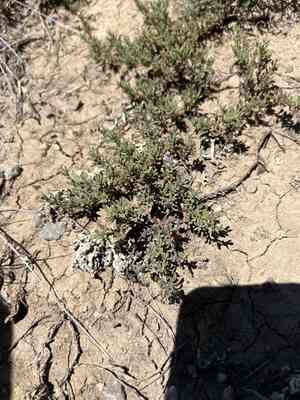
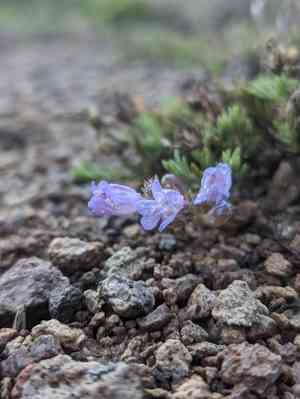
Quickly Identify Mat penstemon
1
This plant can be identified by its mat-forming growth habit, narrow leaves, and tubular, blue to violet flowers which typically bloom in late spring to early summer.
Scientific Classification of Mat penstemon
Phylum
Vascular plants
Class
Dicotyledons
Order
Lamiales
Family
Plantain
Genus
Penstemon
Species
Mat penstemon
Planting and Growing of Mat penstemon
Care Difficulty
Moderate
Watering Schedule
Every 2 days
Sunlight Requirements
Full sun
Sunshine Duration
6-10 hours
Ideal Temperature
60-75℉
Soil Type
Potting Mix, Peat Mix
Soil pH
6.5-7.5
Fertilizer Type
Balanced
Pruning Season
Spring, Summer
Pruning Area
Branches, Leaves
Pruning Frequency
2 times a year
Repotting Season
Spring
Pot Type
Plastic, Ceramic
 How to Water Mat penstemon?
For Penstemon caespitosus, the watering should follow the 'soak and dry' principle. This involves watering the plant until the soil is saturated but not waterlogged. Typically, this would mean about 250 ml per session, enough to moisten the soil without pooling water at the base.
What are the symptoms of an underwatered Mat penstemon?
›
What should I do if my Mat penstemon is not getting enough water?
›
What are the symptoms of an overwatered Mat penstemon?
›
How to save an overwatered Mat penstemon?
›
 What Are the Sunlight Requirements for Mat penstemon?
Penstemon caespitosus thrives in areas with full sun or partial sun exposure, ideally enjoying 6–8 hours of sunlight daily. This exposure helps support healthy growth and flowering.
What is the ideal light condition for Penstemon caespitosus?
›
How can I ensure Penstemon caespitosus receives optimal light?
›
What benefits does Penstemon caespitosus experience with ideal light?
›
 What Is the Ideal Temperature Range for Mat penstemon?
Penstemon caespitosus thrives best at temperatures between 60°F and 75°F. This range allows optimal photosynthesis, growth, and flowering. At these temperatures, the plant is less likely to experience stress from external factors, promoting a healthy development cycle.
 What Soil is Best for Mat penstemon?
Penstemon caespitosus thrives in well-draining soils that prevent waterlogging, which can lead to root rot. The porous nature of sandy or sandy loam soil allows excess water to escape easily, keeping the roots healthy and promoting vigorous growth. This plant is well-adapted to low-fertility environments, making it suitable for nutrient-poor soils. Excessive nutrients can hinder its natural growth pattern, so minimal fertilization ensures it maintains its characteristic hardiness and blooms profusely. A soil pH between 6.5 and 7.5 is ideal as it supports optimal nutrient uptake and affects soil bacteria activity beneficially. This pH range promotes healthier plant metabolism and strengthens resistance against stress conditions.
 How to Fertilize Mat penstemon?
Penstemon caespitosus requires careful attention to fertilizer amounts. Use a balanced liquid fertilizer diluted to half-strength. Use approximately ¼ cup of the diluted solution per plant each time you fertilize. This helps ensure the nutrients are adequately absorbed without overwhelming the plant, promoting healthy growth.
 How to Prune Mat penstemon?
Remove spent flowers regularly to encourage more blooms and prevent the plant from expending energy on seed production. This can also help extend the blooming period and keep the plant looking tidy. While pruning promotes healthy growth, over-pruning can stress the plant and reduce its ability to flower. Remove no more than one-third of the growth at a time to prevent shock.
More About Pruning Techniques→
 How to Propagate Mat penstemon plant?
1
Start by collecting seeds from mature plants. Clean them thoroughly to remove any pulp, and dry them in a warm, airy location to ensure they are ready for planting.
2
Use sharp scissors to cut 4-6 inch stems from healthy, non-flowering branches early in the morning when they are hydrated. Remove the bottom leaves to prevent rot when placed in soil.
3
For seeds, plant them in seed trays filled with a light soil mix and cover lightly with soil. For cuttings, dip the base in rooting hormone and plant them in well-draining potting mix.
 How to Repot Mat penstemon plant?
1
Penstemon caespitosus needs repotting when its roots start emerging out of the drainage holes or when growth becomes stunted. Spring or summer is ideal, as the plant is in its active growth phase, allowing it to recover and adapt more quickly.
2
Select a pot that is slightly larger than the current one, ensuring adequate drainage holes. A pot too large can cause overwatering issues, while a suitable size encourages healthy root expansion and aeration.
3
Opt for a well-drained, sandy soil mix to mimic the plant’s natural habitat. This type of soil prevents root rot and ensures the roots have plenty of aeration, vital for the plant's overall health.
Learn More About Mat penstemon Diseases
Anthracnose
Bacterial Leaf Spot
Bacterial Wilt
Black Spot
Chemical Injury
Crown Gall
Damping-off
Downy Mildew
Drought Stress
Fusarium Wilt
Gray Mold
Leaf Curl
Leaf Spot
Mosaic
Nutrient Deficiency
Nutrient Toxicity
Powdery Mildew
Root Rot
Root-knot Nematode
Rusts
Sooty Mold
Spider Mites
Temperature Stress
Thrips Damage
White Mold



