How to Propagate Mat penstemon?
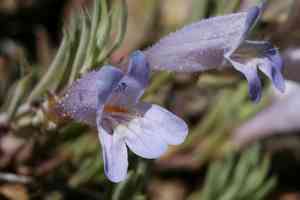
Mat penstemon, a robust perennial indigenous to western North America, is recognized for its prostrate, groundcover-like form and striking blue-purple blossoms. To propagate this species, employing stem cuttings guarantees successful development. Choose youthful, robust stems, immerse them in rooting compound, and embed them in a porous soil blend. Sustain adequate moisture and offer diffused illumination until root systems are firmly established. This technique ensures that the offspring plants inherit the traits of the original specimen.
Optimal Period for Mat Penstemon Propagation
Propagation Method
Cutting
Propagation Period
Spring,Summer
Tools Required for Mat Penstemon Propagation
Pruning Shears
Utilized for taking sections from the parent plant. Ideally sharp, clean, and sterilized shears are vital for making precise cuts without harming the plant tissues.
Rooting Hormone
Assists in stimulating root development from cuttings. Helps to boost the propagation success rate by encouraging faster and stronger root formation.
Propagation Trays
Offer a contained environment for the cuttings to establish roots. Good drainage and ventilation are crucial features that support initial growth phases.
Seedling Heat Mat
Maintains a consistent warm temperature for the substrate, which is advantageous for root development. While not always essential, it can accelerate the rooting process.
Misting Bottle
Employed to maintain high humidity levels around the cuttings, which helps prevent them from drying out before rooting. Regular misting ensures the cuttings remain hydrated.
Razor Blade or Scalpel
A precise instrument for making clean incisions on the cuttings, especially useful when dealing with smaller or more delicate stems. Ensures minimal tissue damage and rapid healing.
Antibacterial Solution
Used to sanitize tools and containers to prevent infections that could jeopardize the health of the cuttings. Ensures a sterile environment which is critical for successful propagation.
Labeling Tags
Important for tracking various cuttings and their progress. Aids in managing multiple propagation efforts efficiently and prevents confusion.
Vermiculite or Perlite
A soil amendment that enhances aeration and drainage in the propagation medium. Improves the rooting environment, ensuring cuttings do not decay.
How to Propagate Mat Penstemon?
Propagation Type
Easy
How to Care for Your Newly Propagated Mat Penstemon?
How to Care for Your Newly Propagated Mat Penstemon?
Post-propagation, position mat penstemon in a location receiving ample sunlight. Irrigate the plant moderately, allowing the soil to dry between waterings to prevent rot. Shield the plant from excessive moisture and ensure adequate air circulation. Periodically check for pests and diseases, and apply fertilizer sparingly as mat penstemon typically thrives in low-nutrient soil. Prune spent blooms to encourage new growth and maintain plant vigor.
Common Mistakes to Avoid When Propagating Mat Penstemon
Overwatering
This can lead to root decay, which causes deterioration and can be detrimental to successful propagation.
Using Heavy Soil
Poor drainage results from dense soil, impeding root development and increasing rot risk.
Improper Cuttings
Taking cuttings from unhealthy parts reduces the likelihood of successful rooting.
Lack of Sunlight
Insufficient sunlight hinders growth and negatively impacts the health of the new plants.
Incorrect Spacing
Overcrowded seedlings can lead to competition for nutrients and heightened disease susceptibility.
Tips For Propagating Mat Penstemon
Well-Draining Soil
Utilize a sandy or gritty mix to ensure proper drainage and prevent root rot.
Healthy Cuttings
Choose healthy, non-flowering stems for cuttings to maximize rooting success.
Moderate Watering
Water just enough to keep the soil moist but not saturated to avoid root issues.
Adequate Sunlight
Place in a bright location with indirect sunlight to promote robust growth.
Proper Spacing
Maintain sufficient space between plants to ensure good air circulation and reduce competition for resources.



