How to Transplant Pelargonium senecioides?
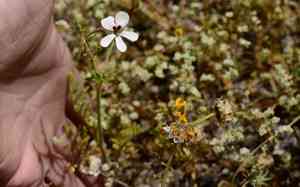
The most suitable time for relocating pelargonium senecioides is between early and late spring, enabling the plant to develop its root system prior to summer. Select a bright, adequately drained spot. Handle with care to prevent harm to the roots, fostering robust development.
What Preparations are Needed Before Transplanting Pelargonium Senecioides?
What is the Ideal Time for Transplanting Pelargonium Senecioides?
Pelargonium senecioides, a perennial, is best moved from early to late spring. This period provides ideal soil conditions and mild temperatures, lessening transplant shock. Relocating then promotes strong root growth and adaptation before summer's heat. Pre-work like soil preparation and root trimming aids pelargonium senecioides's successful establishment.
How Much Space Should You Leave Between Pelargonium Senecioides Plants?
When relocating pelargonium senecioides, ensure each plant is spaced 12-18 inches (30-45 cm) apart. This provides ample room for growth and prevents overcrowding.
What is the Best Soil Mix for Pelargonium Senecioides Transplanting?
For pelargonium senecioides, prepare well-draining soil using a blend of loam and organic compost. Incorporate a balanced base fertilizer to enrich the soil, promoting vigorous growth.
Where Should You Relocate Your Pelargonium Senecioides?
Select a sunny spot for pelargonium senecioides, as it flourishes in full sunlight. Aim for a location receiving at least 6 hours of sun daily to encourage blooming.
What Equipments Should You Prepare Before Transplantation Pelargonium Senecioides?
Gardening Gloves
To safeguard your hands while handling soil and plants.
Hand Trowel
For digging and loosening the earth.
Shovel
To excavate larger holes and trenches.
Garden Fork
To assist in lifting deeply rooted plants.
Watering Can or Hose
For hydrating the plant before and after relocation.
Wheelbarrow
Helpful for moving the plant over longer distances.
Mulch
To aid in retaining moisture around the newly transplanted plant.
How Do You Remove Pelargonium Senecioides from the Soil?
How Do You Remove Pelargonium Senecioides from the Soil?
From Ground: First, hydrate the pelargonium senecioides plant to moisten the soil. Next, excavate a wide trench around the plant using a shovel or spade, ensuring the plant's root ball stays intact. Carefully work the spade beneath the root ball to lift the plant from its original spot.From Pot: Water the pelargonium senecioides plant to make the soil damp. Turn the pot sideways and gently tap its sides to loosen the soil. Grasp the plant's base and carefully pull it from the pot, keeping the root ball whole.From Seedling Tray: Water the seedling tray to dampen the soil. Use a hand trowel or your fingers to gently lift the pelargonium senecioides seedling from the tray, taking care to keep as much soil around the roots as possible.
Step-by-Step Guide for Transplanting Pelargonium Senecioides
Preparing the Plant
Thoroughly water the pelargonium senecioides plant a day prior to transplanting to facilitate removal and lessen shock.
Digging the Hole
Excavate a hole in the new site that is twice the width and the same depth as the pelargonium senecioides plant's root ball.
Removing the Plant
Carefully extract the pelargonium senecioides plant from its initial location, ensuring the root ball remains intact as described in the removal process.
Placing the Plant
Gently position the pelargonium senecioides plant into the prepared hole, making sure the top of the root ball is level with or slightly above the surrounding soil.
Backfilling
Refill the hole with soil, gently tamping it down to eliminate any air pockets. Be careful not to compact the soil too firmly.
Watering
Water the pelargonium senecioides plant immediately after transplanting to help settle the soil around its roots.
How Do You Care For Pelargonium Senecioides After Transplanting?
Watering
Keep the soil around the pelargonium senecioides consistently moist, but not waterlogged, for the initial weeks post-transplant to aid in developing strong roots.
Mulching
Apply a layer of mulch around the base of the pelargonium senecioides to retain moisture and stabilize soil temperature. Keep the mulch a few inches away from the plant stem.
Monitoring
Regularly inspect the pelargonium senecioides plant for signs of distress, such as wilting or yellowing leaves, and adjust care as needed.
Pruning
Remove any damaged or withered leaves to allow the plant to direct energy towards root establishment.
Protection
If transplanting in hot or windy conditions, provide temporary shade or wind protection to minimize transplant shock.
Troubleshooting Common Issues with Pelargonium Senecioides Transplantation.
When is the best time to transplant pelargonium senecioides?
The optimal period to transplant pelargonium senecioides is from early to late spring for prime growth.
How should I prepare the soil for pelargonium senecioides?
Ensure the soil is well-draining, enriched with compost, and properly loosened before planting pelargonium senecioides.
How far apart should I space pelargonium senecioides plants?
Space pelargonium senecioides plants 12-18 inches (30-45 cm) apart to ensure adequate air circulation and growth.
What if my pelargonium senecioides plant looks wilted after transplanting?
Maintain consistent soil moisture without waterlogging. Temporarily place the plant in partial shade.
Should I prune pelargonium senecioides before transplanting?
Lightly prune pelargonium senecioides by removing dead or damaged leaves, but avoid extensive pruning before relocation.
How deep should I plant pelargonium senecioides in its new location?
Plant pelargonium senecioides at the same depth it was in its original spot to prevent stress.
Can I use mulch around pelargonium senecioides after transplanting?
Yes, apply a layer of mulch around pelargonium senecioides to conserve moisture and inhibit weed growth.
What should I do if pelargonium senecioides shows signs of transplant shock?
Provide shade, keep the soil moist, and refrain from fertilizing until the plant starts to recover.
Should I water pelargonium senecioides immediately after transplanting?
Yes, thoroughly water pelargonium senecioides after planting to help settle the soil and reduce transplant shock.
How much sunlight does pelargonium senecioides need post-transplant?
Pelargonium senecioides thrives in full sun to partial shade. Gradually acclimate the plant to its new surroundings.



