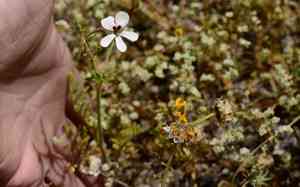
Pelargonium senecioides (Pelargonium senecioides)
Also known as: Shrubby Pelargonium, Bush Geranium
Pelargonium senecioides is a striking South African native known for its dense bushy habit and clusters of small, delicate pink flowers that bloom above its foliage. The velvety leaves are deeply lobed, exuding a subtle scent when touched, an adaptation likely evolved to deter herbivores. Flourishing in well-drained soil, pelargonium senecioides thrives under full sun, mirroring its dry, rocky homeland but is also surprisingly resilient to short periods of cold.
In This Article
Attributes of Pelargonium senecioides
Lifespan
Perennial
Plant Height
30-60 cm
Spread
30-45 cm
Leaf Color
Gray-green
Flower Size
0.8-1.2 cm
Flower Color
Pink to mauve
Images of Pelargonium senecioides
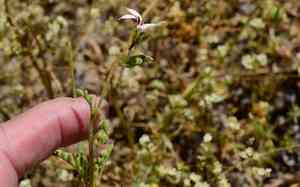
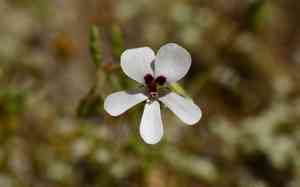
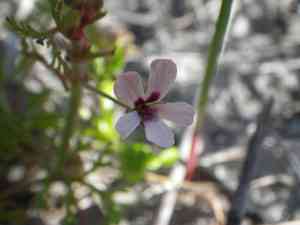
Quickly Identify Pelargonium senecioides
1
To identify Pelargonium senecioides, look for its shrubby form and grey-green, soft, lobed leaves. The flowers are small, pink to mauve in color, and grow in clusters. The stems are often woody at the base.
Scientific Classification of Pelargonium senecioides
Phylum
Vascular plants
Class
Dicotyledons
Order
Geraniales
Family
Geranium
Genus
Pelargoniums
Species
Pelargonium senecioides
Planting and Growing of Pelargonium senecioides
Care Difficulty
Moderate
Watering Schedule
Every 2 days
Sunlight Requirements
Full sun
Sunshine Duration
6-10 hours
Ideal Temperature
60-75℉
Soil Type
Potting Mix, Peat Mix
Soil pH
6.5-7.5
Fertilizer Type
Balanced
Pruning Season
Spring, Summer
Pruning Area
Branches, Leaves
Pruning Frequency
2 times a year
Repotting Season
Spring
Pot Type
Plastic, Ceramic
 How to Water Pelargonium senecioides?
For Pelargonium senecioides, each watering session should ideally consist of around 200 ml. The plant prefers the soil to be moderately moist but not soaked, ensuring that water is allowed to penetrate deeply into the soil. The soil should be dry to the touch on the surface before the next round of watering.
What are the symptoms of an underwatered Pelargonium senecioides?
›
What should I do if my Pelargonium senecioides is not getting enough water?
›
What are the symptoms of an overwatered Pelargonium senecioides?
›
How to save an overwatered Pelargonium senecioides?
›
 What Are the Sunlight Requirements for Pelargonium senecioides?
Pelargonium senecioides thrives in partial to full sun, enjoying 4 to 6 hours of sunlight daily. Optimal lighting supports robust growth, vibrant foliage, and a profusion of blooms throughout the season.
What are the plant’s native light conditions?
›
What measures can be taken to achieve ideal lighting?
›
What are the benefits of achieving ideal light conditions?
›
 What Is the Ideal Temperature Range for Pelargonium senecioides?
The ideal temperature range for Pelargonium senecioides is between 60°F and 75°F. These temperatures ensure optimal growth and flowering. The warmth aids in the plant's metabolic processes, facilitating growth and essential enzymatic reactions. Maintaining this range consistently will ensure healthy leaf coloration and overall vigor.
 What Soil is Best for Pelargonium senecioides?
Pelargonium senecioides thrives in soil that offers excellent drainage, as it prevents root rot and other moisture-related issues. Ensuring good drainage will promote healthier growth and abundant flowering. A soil enriched with organic matter suits Pelargonium senecioides best. Nutrient-rich soil provides the necessary minerals and elements for robust growth and vibrant foliage. The soil should retain moderate moisture without becoming waterlogged. This balance helps in consistent hydration without suffocating the roots, essential for the plant's vitality.
 How to Fertilize Pelargonium senecioides?
For Pelargonium senecioides, the amount of fertilizer should be moderate. Over-fertilizing can lead to lush foliage with few flowers. Use a balanced liquid fertilizer diluted to half strength. For slow-release fertilizers, a light sprinkling around the base of the plant is usually sufficient.
 How to Prune Pelargonium senecioides?
Begin by assessing the plant’s shape and remove any dead or damaged stems. Plan your cuts to maintain a balanced structure and encourage bushy growth. Start pruning from the top, moving downward. Trim overgrown branches and leaves, ensuring each cut is made above a node. Check the plant’s symmetry regularly and adjust your cuts accordingly. After pruning, provide adequate water and ensure the plant receives enough sunlight. Apply a balanced fertilizer to boost growth and help the plant recover from pruning.
More About Pruning Techniques→
 How to Propagate Pelargonium senecioides plant?
1
Propagate Pelargonium senecioides during the active growing seasons of spring or early summer. The warmer temperatures and longer daylight hours encourage successful rooting and growth.
2
Before using any tools, sterilize them with rubbing alcohol or a bleach solution. This prevents the spread of pathogens and ensures healthy propagation material.
3
Select healthy, non-flowering stems and cut a 5-10 cm piece with several leaves. Remove the lower leaves and dip the cut end in rooting hormone before planting in soil.
 How to Repot Pelargonium senecioides plant?
1
Pelargonium senecioides signals its need for repotting through root protrusion from the drainage holes and slow growth. The best time to repot is during its active growing seasons, which are spring and summer, ensuring minimal stress and quick recovery.
2
Select a new pot that is one size larger to allow room for growth, with ample drainage holes to prevent water clogging. A lightweight terracotta pot can enhance root aeration and moisture regulation, ideal for Pelargonium senecioides.
3
A sandy, well-draining soil mix is crucial to replicate the plant's native habitat. This helps prevent root rot by ensuring excess water is swiftly expelled, maintaining optimal moisture levels for healthy root development.
Learn More About Pelargonium senecioides Diseases
Anthracnose
Bacterial Leaf Spot
Bacterial Soft Rot
Bacterial Wilt
Black Spot
Chemical Injury
Crown Gall
Cyst Nematode
Damping-off
Downy Mildew
Drought Stress
Fusarium Wilt
Gray Mold
Leaf Curl
Leaf Spot
Mosaic
Nutrient Deficiency
Nutrient Toxicity
Powdery Mildew
Root Rot
Root-knot Nematode
Rusts
Sooty Mold
Spider Mites
Temperature Stress
Thrips Damage
White Mold



