How to Prune Pelargonium senecioides?
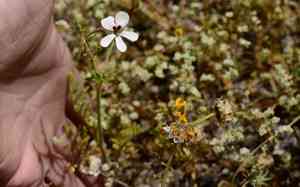
Pelargonium senecioides, known for its fleshy foliage and unique aroma, necessitates consistent trimming to preserve its form and vitality. The most suitable periods for pruning are in early spring and late winter, coinciding with its natural development phase. Concentrate on eliminating deceased or ailing stalks and fostering denser growth by shortening elongated branches. Trimming improves air circulation, diminishes the likelihood of illness, and stimulates abundant blooming. Always employ disinfected implements to avert contamination.
What Are the Benefits of Pruning Pelargonium Senecioides?
What Are the Benefits of Pruning Pelargonium Senecioides?
Pelargonium senecioides benefits from trimming by encouraging robust development, preserving its form, and enhancing its overall look. Pruning also aids in managing the plant's dimensions and can boost resistance to pests and illnesses, fostering a healthy and strong plant.
What Is the Best Time for Pruning Pelargonium Senecioides?
What Is the Best Time for Pruning Pelargonium Senecioides?
Trimming pelargonium senecioides in late winter and early spring is ideal as this period coincides with the end of its dormant phase and the start of its active growth. Pruning then helps eliminate any damaged or dead growth from winter, promoting vigorous new growth as the plant's energy shifts to producing fresh shoots. Furthermore, trimming at this time avoids disrupting the blooming cycle, ensuring pelargonium senecioides can flower effectively in the coming season. This timing also reduces the chance of disease and pest issues, as fresh cuts are exposed to fewer active threats in cooler, less humid conditions.
What Tools Do I Need to Prune Pelargonium Senecioides?
Bypass Pruners
Perfect for making precise cuts on living stems and branches, minimizing harm to the plant tissue of pelargonium senecioides.
Pruning Shears
Suitable for detailed trimming tasks, such as removing dead or damaged leaves and stems. These are vital for maintaining the overall health of pelargonium senecioides.
Lopping Shears
Useful for cutting thicker branches, typically those that are more mature. These tools provide extra leverage and are excellent for shaping pelargonium senecioides and promoting dense growth.
Hand Pruners
Ideal for snipping small stems and leaves, allowing for accurate pruning. These are convenient for preserving the aesthetic shape of pelargonium senecioides.
Sterilizing Solution
Essential for cleaning tools before and after pruning to prevent the spread of diseases. Ensures the longevity and health of pelargonium senecioides.
How to Prune Pelargonium Senecioides
Assessment
Examine pelargonium senecioides thoroughly for any diseased or withered foliage that requires removal.
Sanitization
Sterilize pruning implements with rubbing alcohol or a bleach solution to prevent disease transmission.
Diseased removal
Carefully snip away any diseased leaves from pelargonium senecioides, making cuts just below the affected area to ensure complete elimination of the ailment.
Withered removal
Trim off withered leaves by cutting at the base of the leaf stem where it meets the main branch. Ensure complete removal to encourage new growth.
Cleanup
Collect all removed plant material and dispose of it properly. Clean pruning tools to maintain their effectiveness and prevent future contamination.
Common Pruning Mistakes with Pelargonium Senecioides
Improper technique
Many gardeners err by using dull or unclean pruning tools, which can cause ragged cuts and make the plant vulnerable to disease.
Over-pruning
Cutting back too much foliage can stress pelargonium senecioides, potentially hindering its growth and flowering. Always aim to remove no more than one-third of the plant at a time.
Uneven cuts
Making cuts at incorrect angles or positions can lead to stunted growth and poor plant structure. Cuts should be made just above a node or a healthy bud at a 45-degree angle.
Pruning at the wrong time of day
Pruning during the hottest part of the day can cause the plant to become dehydrated and stressed. Early morning or late afternoon is preferable.
Common Pruning Tips for Pelargonium Senecioides
Use clean, sharp tools
Always use clean and sharp pruners to ensure precise cuts, which minimize damage and reduce the risk of disease.
Remove dead or diseased parts
Start by removing any dead, diseased, or damaged stems and leaves. This helps prevent the spread of disease and encourages healthy growth.
Shape selectively
Prune selectively to maintain a desired shape, focusing on thinning out crowded areas to improve air circulation and light penetration, both of which are crucial for healthy flowering.
Make mindful cuts
When pruning, make clean cuts just above leaf nodes or buds to encourage new growth from those points. Avoid cutting too close to the node, which can damage it, or too far away, which can leave an awkward stub.



