How to Transplant Mt. rainier lousewort?
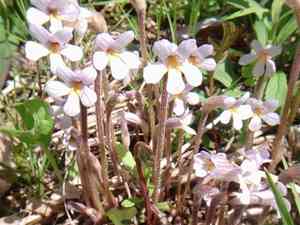
The most suitable time for relocating mt. rainier lousewort is from mid-spring to early summer, owing to beneficial temperatures and ground characteristics. Select a spot with partial shade and good drainage to guarantee proper rooting. Handle with care to avoid harming the root system.
What Preparations are Needed Before Transplanting Mt. Rainier Lousewort?
What is the Ideal Time for Transplanting Mt. Rainier Lousewort?
The best time to move mt. rainier lousewort is during the middle to end of spring or early summer. Moving it then ensures good soil warmth and consistent moisture, which helps roots take hold and promotes strong development. This timing also reduces stress and offers a longer growing period for mt. rainier lousewort, boosting its overall health and strength.
How Much Space Should You Leave Between Mt. Rainier Lousewort Plants?
When relocating mt. rainier lousewort, ensure each plant is positioned 12 inches (30 cm) apart. This provides ample room for growth and prevents overcrowding, which can lead to stunted development and increased susceptibility to disease.
What is the Best Soil Mix for Mt. Rainier Lousewort Transplanting?
Prepare well-draining soil enriched with organic compost to nourish mt. rainier lousewort. An ideal pH level ranges from 6.0 to 7.0. Incorporating a phosphorus-rich base fertilizer can encourage robust root growth.
Where Should You Relocate Your Mt. Rainier Lousewort?
Select a site that receives partial to full sunlight for transplanting mt. rainier lousewort. This plant thrives best with morning sun and afternoon shade, ensuring it gets at least 4-6 hours of daily sunlight.
What Equipments Should You Prepare Before Transplantation Mt. Rainier Lousewort?
Gardening Gloves
To safeguard your hands while handling soil and the plant.
Shovel or Spade
For digging and extracting the plant from its initial spot.
Garden Trowel
For creating the new planting hole in the ground.
Watering Can or Hose
To hydrate the plant following its relocation.
Mulch
To aid in retaining soil moisture and protecting the plant.
How Do You Remove Mt. Rainier Lousewort from the Soil?
How Do You Remove Mt. Rainier Lousewort from the Soil?
From Ground: First, water the mt. rainier lousewort plant to moisten the soil. Then, dig a wide trench around the plant using a shovel or spade, ensuring the plantâs root ball remains intact. Carefully work the spade under the root ball to lift the plant from its original location.From Pot: Begin by watering the mt. rainier lousewort plant thoroughly to make it easier to remove. Gently turn the pot upside down while supporting the plant and tap the bottom to loosen the root ball. Carefully slide the plant out of the pot.From Seedling Tray: Water the mt. rainier lousewort seedlings to loosen the soil. Use a small garden trowel or your fingers to gently lift each seedling from the tray, being careful to retain as much soil around the roots as possible.
Step-by-Step Guide for Transplanting Mt. Rainier Lousewort
Preparation
Ensure the new planting site is ready before you remove the mt. rainier lousewort plant from its original location. The transplant hole should be twice as wide and just as deep as the plant's root ball.
Removal
Follow the specific removal process appropriate for whether the plant is in the ground, a pot, or a seedling tray.
Placement
Place the mt. rainier lousewort plant into the prepared hole, ensuring it is at the same soil depth as it was in its original location. Gently spread out the roots if they are compacted.
Backfilling
Fill the hole with soil, making sure to eliminate any air pockets by gently pressing the soil down around the roots. Ensure the plant remains upright and stable.
Watering
Thoroughly water the mt. rainier lousewort plant immediately after transplanting to help settle the soil and reduce transplant shock.
Mulching
Apply a layer of mulch around the base of the plant to help retain moisture and regulate soil temperature.
How Do You Care For Mt. Rainier Lousewort After Transplanting?
Watering
Keep the soil consistently moist, but not soggy, for the first few weeks after transplanting to help establish strong roots.
Monitoring
Regularly check the plant for any signs of stress or transplant shock, such as wilting or yellowing leaves, and address any issues promptly.
Protection
Provide some shade if the weather is particularly hot or sunny, as the plant adjusts to its new location.
Troubleshooting Common Issues with Mt. Rainier Lousewort Transplantation.
When is the best time to transplant mt. rainier lousewort?
Mid to late spring or early summer is ideal for transplanting mt. rainier lousewort.
What spacing should I maintain between mt. rainier lousewort plants?
Ensure at least 12 inches (30 cm) spacing between each mt. rainier lousewort plant for optimal growth.
How should I prepare the soil before transplanting mt. rainier lousewort?
Loosen the soil and mix in organic compost to enrich it before transplanting mt. rainier lousewort.
What is the ideal planting depth for mt. rainier lousewort?
Plant mt. rainier lousewort at the same depth it was growing in its previous container.
How do I handle mt. rainier lousewort roots during transplanting?
Be gentle with mt. rainier lousewort roots to avoid damage, and keep them moist during transplanting.
Should I water mt. rainier lousewort immediately after transplanting?
Yes, water mt. rainier lousewort thoroughly after transplanting to help it establish in its new location.
How can I protect mt. rainier lousewort from transplant shock?
Water mt. rainier lousewort regularly, avoid direct sunlight initially, and use mulch to retain moisture.
What type of mulch is best for mt. rainier lousewort?
Organic mulch like bark or straw works well for retaining moisture and protecting mt. rainier lousewort.
How do I know if mt. rainier lousewort is not adjusting well after transplant?
Wilting, yellowing leaves, or stunted growth can indicate mt. rainier lousewort is struggling post-transplant.
Are there any pests that particularly affect mt. rainier lousewort during transplant?
Aphids and slugs may target mt. rainier lousewort; use natural remedies like neem oil or barriers.



