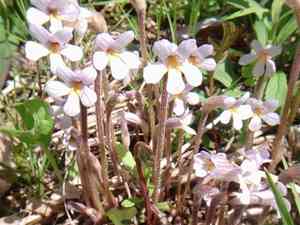
Mt. rainier lousewort (Pedicularis rainierensis)
Also known as: Rainier lousewort
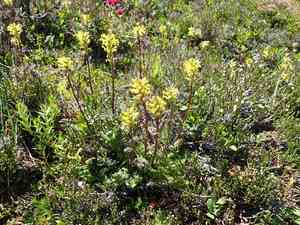
The Mt. Rainier lousewort (Pedicularis rainierensis) is a high-altitude perennial herb notable for its finely dissected, fern-like leaves and dense clusters of tubular pink-to-purple flowers. The flowers, which often bloom in summer, are arranged in a spike atop an unbranched stem. This plant is adapted to the cool and moist conditions of subalpine and alpine meadows, particularly those with late-melting snow, typically found at elevations between 4,000 and 7,000 feet on the slopes of Mount Rainier.
In This Article
Attributes of Mt. rainier lousewort
Lifespan
Perennial
Plant Type
Herb
Plant Height
15 cm to 41 cm
Spread
N/A
Leaf Color
Green
Flower Size
2-3 cm
Flower Color
Pink to purple
Images of Mt. rainier lousewort
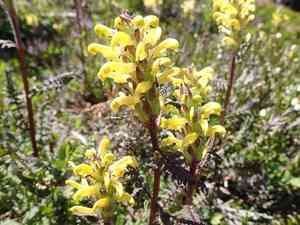
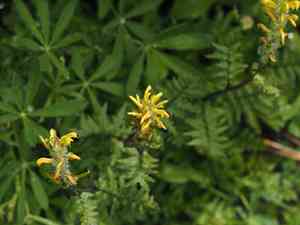
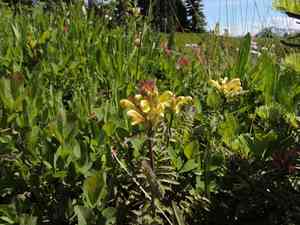
Quickly Identify Mt. rainier lousewort
1
Pedicularis rainierensis can be identified by its erect stems, pinnately divided leaves, and distinctive spirally arranged flowers with a tubular corolla that ranges from pink to purple.
Scientific Classification of Mt. rainier lousewort
Phylum
Vascular plants
Class
Dicotyledons
Order
Lamiales
Family
Broomrape
Genus
Pedicularis
Species
Mt. rainier lousewort
Planting and Growing of Mt. rainier lousewort
Care Difficulty
Hard
Watering Schedule
Every 2 days
Sunlight Requirements
Partial sun
Sunshine Duration
4-8 hours
Ideal Temperature
60-75℉
Soil Type
Potting Mix, Peat Mix
Soil pH
6.5-7.5
Fertilizer Type
Balanced
Pruning Season
Spring, Summer
Pruning Area
Branches, Leaves
Pruning Frequency
2 times a year
Repotting Season
Spring
Pot Type
Plastic, Ceramic
 How to Water Mt. rainier lousewort?
For Pedicularis rainierensis, watering should be sufficient to keep the soil consistently moist but not waterlogged. Aim for about 150 milliliters per session, and ensure that water penetrates at least an inch deep, allowing the soil to breathe.
What are the symptoms of an underwatered Mt. rainier lousewort?
›
What should I do if my Mt. rainier lousewort is not getting enough water?
›
What are the symptoms of an overwatered Mt. rainier lousewort?
›
How to save an overwatered Mt. rainier lousewort?
›
 What Are the Sunlight Requirements for Mt. rainier lousewort?
Pedicularis rainierensis thrives in partial sun conditions, benefiting from about three to six hours of gentle light daily, promoting healthy growth and vibrant blooms without undue stress.
Optimal Sunlight for Pedicularis rainierensis
›
Balancing Shade and Sunlight
›
Benefits of Perfect Lighting
›
 What Is the Ideal Temperature Range for Mt. rainier lousewort?
Pedicularis rainierensis thrives in moderate temperatures ranging from 60 to 75°F. Such conditions provide the plant with a stable environment that supports its metabolic functions and growth processes. Ideal temperatures ensure that the plant absorbs nutrients efficiently, maintains proper hydration, and exhibits healthy foliage growth.
 What Soil is Best for Mt. rainier lousewort?
Pedicularis rainierensis thrives in nutrient-rich soil that provides essential minerals and organic matter. This type of soil supports healthy growth and vibrant flowering, ensuring the plant receives all the necessary nutrients it requires throughout its growth cycle. Well-draining soil prevents waterlogging, which can lead to root rot. The plant requires soil that allows water to seep through easily, thereby promoting a healthy root system capable of supporting robust growth. While good drainage is crucial, maintaining a consistently moist soil environment is also important. This moisture balance promotes a stable environment that supports the overall health and vigor of Pedicularis rainierensis.
 How to Fertilize Mt. rainier lousewort?
Pedicularis rainierensis prefers a light hand when it comes to fertilization. It is best to use a balanced, water-soluble fertilizer at half strength to avoid overfeeding. A general guideline is to apply approximately 1 teaspoon of diluted liquid fertilizer per gallon of water. This ensures the nutrients are readily available without overwhelming the plant's delicate root system.
 How to Prune Mt. rainier lousewort?
To prune Pedicularis rainierensis, start by using clean, sharp pruning shears to cut off any dead or damaged stems. Target areas where the plant is overcrowded to improve air circulation. Focus on maintaining a harmonious shape by removing stems that disrupt the plant’s natural structure. Promote healthy growth by cutting back stems to a leaf node, which can stimulate bud formation. Be strategic about the stems you select, prioritizing those that encourage a fuller plant appearance. This not only improves the aesthetic but also enhances the plant's resistance to pests and diseases.
More About Pruning Techniques→
 How to Propagate Mt. rainier lousewort plant?
1
Begin by filling your seed tray with the prepared soil mix, then evenly distribute Pedicularis rainierensis seeds on the surface. Lightly cover them with a thin layer of soil, ensuring they are not buried too deep as this might hinder germination.
2
Mist the sown seeds with water gently to avoid displacing them. Ensure the soil stays consistently moist but not waterlogged, as this can cause seeds to rot before they germinate.
3
Place the seed tray in a location where it can receive ample indirect sunlight or under a grow light. Adequate light exposure is crucial for seed germination and healthy seedling growth.
 How to Repot Mt. rainier lousewort plant?
1
Pedicularis rainierensis should be repotted when you observe the roots protruding from the drainage holes or the soil drying out rapidly after watering. These signals typically indicate that the plant has outgrown its current pot and needs more space to continue healthy growth. Spring is the ideal season for repotting, as it marks the beginning of the growing period, allowing the plant to recover and establish well in its new pot.
2
Select a pot that is one size larger than the current one, ensuring it has ample drainage holes to prevent waterlogging. A pot made of breathable material such as terracotta is ideal, as it facilitates moisture regulation and root aeration. This reduces the risk of root rot and promotes robust plant growth. The pot should complement the plant’s aesthetics while providing practical support and space for root expansion.
3
Opt for a well-draining soil mix containing components like perlite, sand, and organic matter. This combination provides adequate drainage and retains necessary moisture without becoming waterlogged. It nurtures healthy root development, which is crucial for the vigorous growth of Pedicularis rainierensis. The soil should also be slightly acidic to neutral, fitting the plant's natural habitat requirements and ensuring optimal nutrient availability.
Toxicity
None
WARNING
The judgment on toxicity and danger is for reference only. We DO NOT GUARANTEE any accuracy of such judgment. Therefore, you SHALL NOT rely on such judgment. It is IMPORTANT TO SEEK PROFESSIONAL ADVICE in advance when necessary.
Learn More About Mt. rainier lousewort Diseases
Bacterial Leaf Spot
Bacterial Soft Rot
Bacterial Wilt
Chemical Injury
Crown Gall
Cyst Nematode
Damping-off
Downy Mildew
Drought Stress
Fusarium Wilt
Gray Mold
Leaf Spot
Mosaic
Nutrient Deficiency
Nutrient Toxicity
Powdery Mildew
Root Rot
Root-knot Nematode
Rusts
Sooty Mold
Spider Mites
Temperature Stress
Thrips Damage
White Mold



