How to Prune Mt. rainier lousewort?
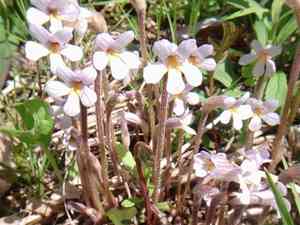
Recognized for its distinctive burst of pink blossoms, mt. rainier lousewort thrives with trimming performed from late winter through early spring. Concentrate on excising deceased or ailing stalks and reducing dense sections to enhance air movement and light penetration. Trimming at these times assists in regulating its developmental pattern and encourages more vibrant flowers. Always employ sanitized, keen implements to avert contamination. Pruning elevates both the visual attractiveness and well-being of mt. rainier lousewort, fostering energetic new development and a strong blooming period.
What Are the Benefits of Pruning Mt. Rainier Lousewort?
What Are the Benefits of Pruning Mt. Rainier Lousewort?
Trimming mt. rainier lousewort encourages robust development by eliminating lifeless or weak sections, maintaining the plant's form, and ensuring balanced nutrient distribution. This method also improves air circulation, lowering the risks of pests and diseases.
What Is the Best Time for Pruning Mt. Rainier Lousewort?
What Is the Best Time for Pruning Mt. Rainier Lousewort?
Pruning or trimming mt. rainier lousewort during early spring or late winter is most effective because this timing aligns with its dormancy period. This minimizes stress on the plant and promotes healthier growth during the active growing season. Additionally, pruning before the onset of new growth ensures better shape and structure while accommodating the plant's natural growth cycle and flowering periods.
What Tools Do I Need to Prune Mt. Rainier Lousewort?
Hand Pruners
Perfect for precise cuts on small stems and removing faded flowers of mt. rainier lousewort. Hand pruners allow for controlled trimming without harming nearby growth.
Bypass Pruners
Ideal for cutting live plant tissue without crushing the stems. Essential for maintaining the health of mt. rainier lousewort by providing clean cuts.
Pruning Shears
Useful for larger stem cuts that hand pruners cannot manage. These offer leverage and are crucial for thicker or older stems of mt. rainier lousewort.
Snips
Excellent for deadheading smaller flowers and making accurate cuts in confined areas. Snips are vital for the delicate structure of mt. rainier lousewort.
How to Prune Mt. Rainier Lousewort
Identify
Inspect mt. rainier lousewort for any leaves that are diseased or withered. This will help you determine which parts need to be pruned.
Tools
Prepare and sterilize pruning tools such as scissors or shears to prevent the spread of disease.
Remove Diseased Leaves
Cut off the diseased leaves close to the base of the leaf stem, ensuring you remove the entire affected area.
Remove Withered Leaves
Trim away withered leaves at their base, taking care to avoid damaging healthy parts of the plant.
Dispose
Safely dispose of all removed leaves to prevent any potential disease from spreading to the healthy parts of mt. rainier lousewort.
Common Pruning Mistakes with Mt. Rainier Lousewort
Over-Pruning
Removing too much of the plant at once can significantly stress mt. rainier lousewort and hinder its growth and flowering capabilities.
Improper Technique
Using dull or dirty tools can cause jagged cuts that invite diseases and pests. Cutting incorrectly also increases the chances of damaging the plant tissue.
Ignoring Deadheading
Failing to remove spent flowers can divert energy away from new growth and flowering, affecting the overall aesthetics and health of mt. rainier lousewort.
Not Pruning at All
Avoiding pruning entirely can result in a leggy and overgrown plant, reducing air circulation and potentially leading to fungal diseases.
Pruning at Incorrect Nodes
Cutting too close to the nodes or the main stem can damage dormancy buds, whereas cutting too far can leave unsightly stubs.
Common Pruning Tips for Mt. Rainier Lousewort
Use Clean, Sharp Tools
Ensure your pruning shears or scissors are sterilized and sharpened to make clean cuts, reducing the risk of infections.
Remove Dead or Diseased Material
Promptly cut back any dead, diseased, or damaged stems to maintain the plant's health and vigor.
Practice Moderation
Prune moderately to stimulate growth without causing undue stress. Typically, removing no more than one-third of the plant at any one time is advisable.
Encourage Bushier Growth
Pinch or lightly prune the tips of the stems to encourage branching and a bushier, more robust plant structure.
Consistently Deadhead
Regularly remove spent flowers by cutting just above the next set of leaves. This redirects the plant's energy toward producing new blooms.



