How to Transplant Crato passionvine?
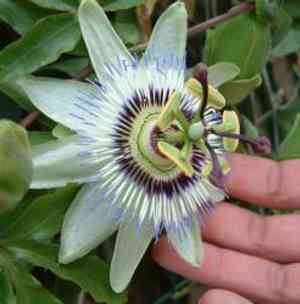
Crato passionvine thrives when relocated from the beginning of summer through its end, a period characterized by warm earth and robust development. Select a bright spot featuring soil that drains effectively. Verify that the new environment replicates its initial surroundings to facilitate a smooth adjustment.
What Preparations are Needed Before Transplanting Crato Passionvine?
What is the Ideal Time for Transplanting Crato Passionvine?
Crato passionvine flourishes when moved from early to late summer, benefiting from favorable temperatures and consistent sunlight. This period minimizes stress and promotes quick root establishment. Proper timing enhances development, leading to a healthier plant and potentially greater yields. Optimal conditions during this time are perfect for the steady growth of crato passionvine.
How Much Space Should You Leave Between Crato Passionvine Plants?
When relocating crato passionvine, ensure plants are spaced 36-48 inches (91-122 cm) apart. This spacing provides ample room for healthy growth and comfortable spreading.
What is the Best Soil Mix for Crato Passionvine Transplanting?
For crato passionvine, prepare well-draining soil enriched with organic compost. A balanced base fertilizer, such as a 10-10-10 formula, will supply essential nutrients. This preparation guarantees optimal growth and abundant blooms.
Where Should You Relocate Your Crato Passionvine?
Select a sunny spot for transplanting crato passionvine. This plant thrives best with full sunlight, so aim for an area that receives at least 6-8 hours of direct sun daily.
What Equipments Should You Prepare Before Transplantation Crato Passionvine?
Gardening Gloves
To safeguard your hands while handling soil and plants.
Shovel or Spade
For excavating the planting hole and extracting the plant from its original spot.
Watering Can or Garden Hose
To hydrate the plant before and after its relocation.
Compost or Organic Matter
To enrich the soil within the planting hole.
Garden Trowel
For precise adjustments to the planting hole and careful plant handling.
Plant Stakes and Ties
To provide support for the plant, if needed, following transplantation.
How Do You Remove Crato Passionvine from the Soil?
How Do You Remove Crato Passionvine from the Soil?
From Ground: First, moisten the soil around the crato passionvine plant by watering it. Then, use a shovel or spade to dig a wide trench around the plant, ensuring the root ball remains intact. Carefully work the spade beneath the root ball to lift the plant from its initial location.From Pot: Gently tap the pot's sides to loosen the soil. Invert the pot while supporting the base of the crato passionvine plant, and slide the plant out. Be careful not to excessively disturb the roots.From Seedling Tray: Water the seedlings first to make the soil damp. Use a small garden trowel or your fingers to carefully lift the seedlings from the tray, ensuring the root system stays intact.
Step-by-Step Guide for Transplanting Crato Passionvine
Site Preparation
Ensure the new planting site has been prepared with well-draining soil enriched with compost or organic material.
Digging Hole
Excavate a hole that is twice as wide and as deep as the crato passionvine's root ball.
Placing the Plant
Position the crato passionvine in the center of the hole, making sure the top of the root ball is level with the surrounding soil surface.
Filling the Hole
Backfill the hole with soil, pressing it down firmly to eliminate air pockets.
Watering
Thoroughly water the crato passionvine after planting to help settle the soil and initiate the establishment process.
Mulching
Apply a layer of mulch around the plant's base to retain moisture and regulate soil temperature.
Adding Supports
If necessary, add stakes and ties to support the crato passionvine as it grows and establishes in its new location.
How Do You Care For Crato Passionvine After Transplanting?
Watering
Keep the soil around the crato passionvine consistently moist, but not waterlogged, for the initial few weeks post-transplant to aid in strong root development.
Monitoring
Regularly inspect the plant for signs of transplant shock, such as wilting or yellowing leaves, and address issues promptly.
Fertilizing
After several weeks, consider applying a balanced fertilizer to support new growth and root development.
Weeding
Keep the area around the crato passionvine free from weeds to reduce competition for nutrients and water.
Inspection
Examine the plant for pests or diseases and take appropriate action if any problems are detected.
Troubleshooting Common Issues with Crato Passionvine Transplantation.
When is the ideal time to transplant crato passionvine?
Relocate crato passionvine between early and late summer for optimal outcomes.
What is the optimal spacing for crato passionvine during transplantation?
Space crato passionvine plants 36-48 inches (91-122 cm) apart to ensure vigorous growth.
How do I prepare the soil for transplanting crato passionvine?
Utilize well-draining soil rich in organic matter for crato passionvine transplantation.
What type of container is best for moving crato passionvine?
Use a container with drainage holes that is larger than the root ball, ideally 12 inches (30 cm) deep.
How much water does crato passionvine need after transplanting?
Water crato passionvine thoroughly immediately after transplanting, ensuring consistent moisture without waterlogging.
Should I mulch crato passionvine after transplanting?
Yes, apply a 2-3 inch (5-7.5 cm) layer of mulch to retain moisture and suppress weeds.
What should I do if crato passionvine's leaves wilt after transplanting?
Ensure consistent watering and provide partial shade if wilting occurs to aid recovery.
How deep should I plant crato passionvine during transplanting?
Plant crato passionvine at the same depth it was previously growing to prevent stress.
Is it necessary to fertilize crato passionvine immediately after transplanting?
Wait 4-6 weeks post-transplant before fertilizing to avoid root burn.
How can I minimize transplant shock for crato passionvine?
Gradually acclimate crato passionvine to new conditions and maintain consistently moist soil to reduce shock.



