How to Prune Crato passionvine?
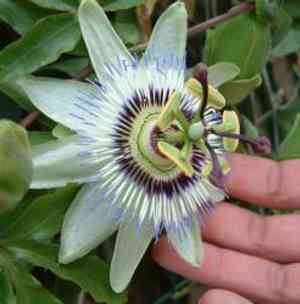
This plant flourishes with its vining, ascending nature, suited for temperate environments. Essential pruning methods for crato passionvine involve excising deceased or frail stalks, curtailing excessive growth, and sculpting the specimen. The most effective periods for pruning are early spring and late winter, fostering energetic development and bloom production. Consistent trimming guarantees superior air movement, deters ailments, and enhances blossoming. Appropriate upkeep stimulates strong vitality and aesthetic charm, boosting the plant's comprehensive functioning.
Advantages of Trimming Crato Passionvine
Advantages of Trimming Crato Passionvine
Trimming crato passionvine encourages robust development, maintains its form, boosts blooming and fruiting, manages size, and deters pests and illnesses. Consistent trimming also supports healthier growth and a more attractive look.
Optimal Period for Trimming Crato Passionvine
Optimal Period for Trimming Crato Passionvine
Trimming crato passionvine in early spring and late winter is ideal as it coincides with the plant's dormant phase, just before new growth begins. Pruning during these seasons minimizes plant stress and promotes vigorous new growth when the active period starts. It also allows the plant to channel energy into producing healthy flowers and fruits once the growing season commences.
Necessary Tools for Trimming Crato Passionvine
Hand Pruners (Bypass Pruners)
Crucial for making clean cuts on crato passionvine due to its slender stems, requiring precision to prevent plant damage.
Loppers
Useful for severing thicker vines or older, woody stems of crato passionvine that are too large for hand pruners.
Pruning Saw
Perfect for removing old, tough, or large stems of crato passionvine to stimulate new growth and maintain shape.
Gloves
Shield your hands from thorns or rough surfaces while trimming crato passionvine.
How to Trim Crato Passionvine
Inspection
Carefully examine crato passionvine to identify any diseased or withered foliage. Look for discoloration, spots, or indications of pest damage.
Cleaning tools
Sanitize your pruning tools with a solution of one part bleach to nine parts water to prevent disease spread. Ensure tools are sharp for clean cuts.
Trimming diseased leaves
Using clean tools, begin by removing any diseased leaves. Make cuts close to the stem just above a healthy node or bud to encourage healthy regrowth.
Trimming withered leaves
Remove all withered leaves by cutting them off near the base. Ensure you do not tear or damage the stem to preserve the plant's integrity.
Disposing debris
Collect all trimmed leaves and debris immediately and dispose of them away from crato passionvine to prevent any potential spread of disease or pests. Consider burning or bagging the debris.
Common Trimming Errors with Crato Passionvine
Improper Technique
A frequent error is using dull or unclean pruning tools, which can cause jagged cuts that may lead to infections.
Excessive Pruning
Removing too much of the plant can stress crato passionvine, hindering its ability to regenerate and bloom properly.
Wrong Timing
Trimming at incorrect times can disrupt crato passionvine's growth cycle and diminish its flowering potential.
Neglecting Deadheading
Failing to remove spent flowers and dead parts can lead to reduced air circulation and increased susceptibility to disease.
Poor Plant Examination
Not thoroughly inspecting crato passionvine before trimming might result in removing healthy growth while leaving diseased or dead parts.
General Trimming Advice for Crato Passionvine
Use Sharp Tools
Always ensure your tools are sharp and clean to make precise cuts, reducing the risk of disease.
Moderate Pruning
Cut back no more than one-third of crato passionvine at a time to avoid stressing the plant. This aids in balanced growth and health.
Focus on Dead and Diseased Wood
Prioritize removing any dead or diseased parts to improve the plantâs overall health and appearance.
Regular Deadheading
Regularly remove spent flowers and any dead foliage to encourage more blooms and improve air circulation around crato passionvine.
Targeted Cuts
Make cuts just above a node or bud, as this promotes branching and fuller growth. Always angle your cuts to help water runoff and minimize rot.



