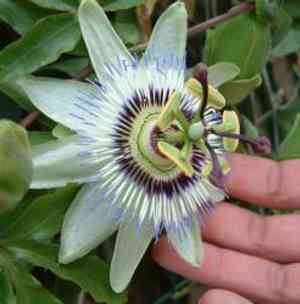
Crato passionvine (Passiflora cincinnata)
Also known as: Passion Vine, Wild Passionflower
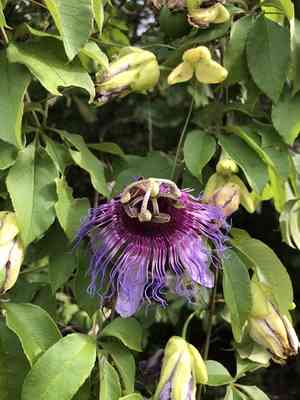
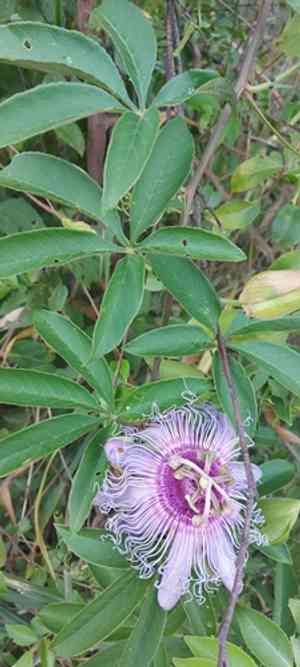
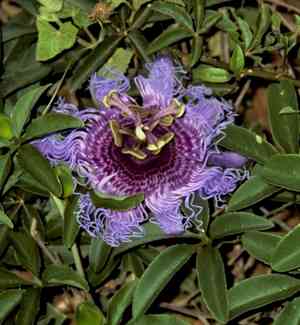
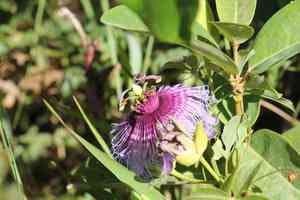
The Crato passionvine (Passiflora cincinnata) is a vigorous climbing vine known for its captivating, large flowers adorned with intricate, fringed coronas and vivid shades of purple or violet. The vine's leaves are deeply three-lobed, adding to its decorative appeal. It flourishes in tropical and subtropical environments, where its eye-catching blossoms and rich nectar attract a variety of pollinators. This attraction supports the local ecosystem by facilitating pollination and providing essential resources for pollinators, thereby enhancing biodiversity and ecological balance.
In This Article
Attributes of Crato passionvine
Lifespan
Perennial
Plant Type
Vine, Herb
Plant Height
2-4 meters
Spread
1-2 meters
Leaf Color
Green
Flower Size
7-10 centimeters
Flower Color
Purple
Images of Crato passionvine
Quickly Identify Crato passionvine
1
It can be identified by its deeply lobed leaves, tendrils, and showy purple flowers. The flower has a distinctive corona of filaments and an intricate structure.
Scientific Classification of Crato passionvine
Phylum
Vascular plants
Class
Dicotyledons
Order
Malpighiales
Family
Passionflowers
Genus
Passion flowers
Species
Crato passionvine
Planting and Growing of Crato passionvine
Care Difficulty
Moderate
Watering Schedule
Every 4 days
Sunlight Requirements
Full sun
Sunshine Duration
6-10 hours
Ideal Temperature
65-80℉
Soil Type
Potting Mix, Peat Mix
Soil pH
6.5-7.5
Fertilizer Type
Balanced
Pruning Season
Spring, Summer
Pruning Area
Branches, Leaves
Pruning Frequency
2 times a year
Repotting Season
Spring
Pot Type
Plastic, Ceramic
 How to Water Crato passionvine?
The watering amount for Passiflora cincinnata should be around 800 milliliters per session. This amount ensures that the soil is moistened deeply but not saturated to the point where water stands or causes root rot. Adjust the amount depending on the plant's environment, such as humidity and pot size, while ensuring that excess water can drain freely.
What are the symptoms of an underwatered Crato passionvine?
›
What should I do if my Crato passionvine is not getting enough water?
›
What are the symptoms of an overwatered Crato passionvine?
›
How to save an overwatered Crato passionvine?
›
 What Are the Sunlight Requirements for Crato passionvine?
Passiflora cincinnata prefers a light range spanning from full sunlight to partial sun environments. This exposure promotes photosynthesis, flowering, and overall plant vigor, emphasizing its tropical nature.
What is the ideal lighting for Passiflora cincinnata?
›
How can you ensure Passiflora cincinnata receives the ideal light?
›
What are the benefits of ideal lighting for Passiflora cincinnata?
›
 What Is the Ideal Temperature Range for Crato passionvine?
The ideal temperature range for cultivating Passiflora cincinnata is between 65°F and 80°F. This temperature range ensures optimal growth and flowering. Within this range, the plant can photosynthesize efficiently and maintain proper metabolic processes. It is important to maintain consistent temperatures to avoid stressing the plant.
 What Soil is Best for Crato passionvine?
Passiflora cincinnata thrives in well-drained soil, which prevents waterlogging and root rot. This type of soil allows for better air circulation around the roots, promoting healthier growth and vibrant blooming. This plant benefits greatly from nutrient-rich soil that provides essential minerals. Enriched earth encourages robust vine growth and abundant flower production, making your garden a colorful paradise. While Passiflora cincinnata enjoys moist conditions, it is important that the soil retains moderate moisture without becoming oversaturated. Moisture retention supports consistent hydration and nutrient uptake.
 How to Fertilize Crato passionvine?
For liquid fertilizers, mix at half the recommended strength to avoid burning the plant, typically around 1 tablespoon per gallon of water. For slow-release fertilizers, use about 1 to 2 tablespoons per plant, depending on size and soil richness.
 How to Prune Crato passionvine?
Begin by gathering sharp and clean pruning tools to prevent the spread of disease. Ensure that you have gloves handy to protect against the plant's vigorous growth and potential irritation. It's essential to sterilize the tools beforehand. Start pruning by removing any dead or diseased wood. Cut at a slight angle just above a leaf node or bud to promote healthy regrowth. Focus on thinning out older vines and trims excessively long ones to maintain desired shape and size. After removing unhealthy parts, step back to assess the plant's overall form. Prune strategically to enhance the plant's structural integrity and aesthetic appeal. Creating a more open structure will improve airflow and light distribution.
More About Pruning Techniques→
 How to Propagate Crato passionvine plant?
1
Collect ripe fruits from the Passiflora cincinnata and extract seeds. Clean the seeds thoroughly to remove any pulp or residue, which can prevent mold growth.
2
Select healthy stems from the parent plant for cuttings. Cut around 10-15 cm below a node using sterilized shears, ensuring each cutting has a few leaves intact.
3
Dip the cut end of each cutting in rooting hormone to stimulate root growth. Place cuttings in a well-draining soil mixture and water thoroughly. Maintain humidity using a plastic cover if necessary.
 How to Repot Crato passionvine plant?
1
You'll know it's time to repot Passiflora cincinnata when the roots begin to circle the pot or grow out through drainage holes. Additionally, if the plant's growth appears stunted despite appropriate care, repotting might be necessary to refresh the soil and provide more room for root development.
2
Select a pot that is 1-2 inches larger in diameter than the current one. This provides the roots enough room to grow but isn't too large to trap moisture, which could lead to root rot. A well-chosen pot should have drainage holes, ensuring excess water can escape and prevent waterlogging.
3
Opt for a well-draining, nutrient-rich soil mix. Adding perlite or sand can enhance drainage while incorporating organic matter like compost can boost its nutrient profile. This combination ensures the plant receives adequate aeration and nutrients for healthy growth.
Learn More About Crato passionvine Diseases
Anthracnose
Bacterial Leaf Spot
Crown Gall
Cyst Nematode
Damping-off
Downy Mildew
Drought Stress
Fusarium Wilt
Gray Mold
Leaf Curl
Leaf Spot
Mosaic
Nutrient Deficiency
Nutrient Toxicity
Powdery Mildew
Root Rot
Root-knot Nematode
Rusts
Sooty Mold
Spider Mites
Temperature Stress
Thrips Damage
White Mold



