How to Transplant Longtom?
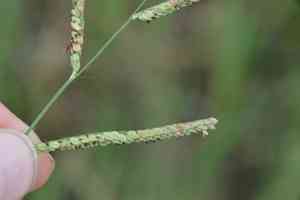
For longtom, the most favorable time for relocation is between early and mid-spring, allowing the plant to optimally develop its root system. Select a site that receives full sun or partial shade and features soil with good drainage. Provide steady hydration to ensure successful integration.
What Preparations are Needed Before Transplanting Longtom?
What is the Ideal Time for Transplanting Longtom?
The optimal period for relocating longtom spans from early to mid-spring. This timeframe allows the perennial to establish its root system prior to the intense summer heat. Transplanting during this window promotes robust growth, resilience, and long-term vitality by leveraging mild temperatures and increasing daylight. Key steps involve soil preparation and careful handling of young plants to minimize transplant shock.
How Much Space Should You Leave Between Longtom Plants?
When moving longtom, ensure plants are spaced approximately 18-24 inches (45-60 cm) apart. This provides ample room for growth and development, preventing overcrowding and fostering healthy progress. Precisely mark your planting locations for consistency.
What is the Best Soil Mix for Longtom Transplanting?
For longtom, prepare soil that drains well and is rich in organic matter. Loamy soil is most suitable. Before transplanting, consider incorporating a balanced base fertilizer, such as a 10-10-10 (N-P-K) blend, to support root establishment and development. Ensure your soil is loose and fertile.
Where Should You Relocate Your Longtom?
Longtom thrives best in areas with full sunlight, meaning roughly 6-8 hours of direct sun daily. Select a garden spot not shaded by structures or trees, receiving abundant sunlight throughout the day for optimal growth.
What Equipments Should You Prepare Before Transplantation Longtom?
Gardening Gloves
To safeguard your hands while handling soil and plants.
Shovel or Spade
For excavating holes and trenches.
Trowel
To assist with lifting smaller plants or working in confined areas.
Wheelbarrow or Bucket
To transport the plant and any soil.
Pruning Shears
For trimming any damaged or elongated roots.
Watering Can or Hose
To hydrate the plant before and after relocation.
Stakes and Ties
To support the plant if it requires assistance standing upright post-transplant.
How Do You Remove Longtom from the Soil?
How Do You Remove Longtom from the Soil?
From Ground: First, moisten the longtom plant's soil with water. Then, dig a wide trench around the plant using a shovel or spade, ensuring the plant's root ball remains intact. Carefully work the spade beneath the root ball to lift the plant from its original spot.From Pot: Thoroughly water the longtom plant to loosen the soil. Hold the plant at its base and gently tap the pot to slide the plant out. If it resists, invert the pot and gently squeeze or tap its sides.From Seedling Tray: Water the seedlings well. Use a trowel or your fingers to carefully lift the seedlings, supporting the roots and soil together. Be cautious not to harm the delicate roots.
Step-by-Step Guide for Transplanting Longtom
Prepare the New Location
Select and prepare the new site by digging a hole twice the size of the longtom's root ball. Ensure the hole is deep enough so the plant's base is level with or slightly above the surrounding soil.
Lift the Plant
Carefully remove the plant from its original location as described previously, keeping the root ball intact.
Place the Plant
Position the longtom plant into its new hole, gently spreading out the roots. Ensure the plant is upright and at the correct depth.
Backfill the Hole
Fill the hole around the plant with soil, gently firming it with your hands to remove air pockets. Make sure the plant remains straight.
Water Thoroughly
Water the newly transplanted longtom thoroughly to settle the soil around the roots.
Add Support
If needed, use stakes and ties to support the plant until it becomes established.
How Do You Care For Longtom After Transplanting?
Watering
Keep the soil around the longtom consistently moist, but not waterlogged, for the initial few weeks post-transplant to aid in strong root establishment.
Mulching
Apply a layer of mulch around the plant to help retain moisture and suppress weeds.
Monitoring
Regularly inspect the plant for signs of stress, such as wilting or browning leaves, and address issues promptly.
Feeding
After the initial settling period, consider providing the longtom with a balanced fertilizer to encourage new growth.
Troubleshooting Common Issues with Longtom Transplantation.
When is the best time to transplant longtom?
The optimal period to transplant longtom is from early to mid-spring.
What is an ideal spacing for longtom?
Space longtom approximately 18-24 inches (45-60 cm) apart for optimal growth.
How do I prepare the soil for longtom?
Ensure soil drains well by mixing in compost or sand to prevent waterlogging.
What should I do if the leaves on longtom turn yellow?
Yellow leaves might indicate overwatering; check soil moisture and adjust irrigation practices.
How deep should I plant longtom during transplanting?
Plant longtom at the same depth it was previously growing to avoid stress and root damage.
What should I do if longtom's roots are tangled?
Gently untangle the roots before planting to promote healthy new growth.
How can I reduce transplant shock in longtom?
Water longtom thoroughly after transplanting and provide shade for the first few days.
What should I do if longtom wilts after transplanting?
Ensure longtom receives adequate water, but avoid waterlogging; mulch can help retain moisture.
Can I transplant longtom in full sun?
Longtom can be transplanted in full sun, but ensure it's sufficiently watered to prevent drying out.
How long before I see new growth on longtom after transplanting?
With proper care, you should observe new growth on longtom within a few weeks.



