How to Prune Longtom?
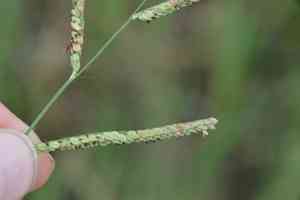
Longtom, a resilient grass, flourishes across diverse environments, preferring ample sunlight. Trim primarily in early spring or winter to encourage development and preserve its shape. Consistent elimination of deceased or excessively grown stalks improves light penetration and air movement, crucial for its well-being. Performing this trimming during colder periods coincides with longtom's inactive stage, minimizing strain and fostering robust spring development. This maintenance not only sustains its visual charm but also strengthens its general vitality.
Advantages of Trimming Longtom
Advantages of Trimming Longtom
Trimming longtom encourages robust development and helps maintain its form, ensuring peak health and visual appeal. Regular cutting manages its size and fosters a denser, more attractive shape.
Optimal Time for Pruning Longtom
Optimal Time for Pruning Longtom
Early spring and winter are ideal for pruning longtom due to its dormant state during these colder periods. Pruning in early spring, just before growth resumes, allows longtom to recover from cuts without expending energy needed for upcoming growth, ensuring a strong resurgence in the growing season. Winter pruning is beneficial as it aids in removing dead or diseased sections without stressing the plant, which is vital because longtom is not actively growing then. These timings also prevent potential harm that pruning during active growth phases could cause, such as increased vulnerability to pests and diseases.
Required Tools for Pruning Longtom
Hand Pruners
Suitable for cutting smaller, thinner stems of longtom, enabling precise cuts without harming the plant.
Grass Shears
Perfect for shaping and managing the spread of longtom, particularly useful for maintaining neat edges around the plant.
String Trimmer
Effective for quickly managing longtom's growth in larger areas, especially when longtom forms dense patches.
How to Prune Longtom
Identify
Locate and evaluate the diseased and withered leaves on longtom. Careful inspection ensures that only necessary parts are removed, promoting healthy growth without excessive pruning.
Sanitize
Disinfect pruning tools before beginning. Using sterilized shears or scissors helps prevent the spread of disease between different parts of longtom or to other plants.
Cut
Sever the diseased and withered leaves at their base where they connect to the stem or main body of longtom. Make clean cuts to avoid tearing, which can create additional stress and potential entry points for pests.
Dispose
Properly discard the removed leaves. Do not compost diseased material as it can harbor pathogens. Sealing in a plastic bag and disposing of it in the trash will help prevent reinfection.
Clean up
Clean and sterilize the tools again after completing the pruning process. This reduces the risk of disease transmission in future gardening activities.
Common Pruning Errors with Longtom
Over-pruning
A frequent mistake is removing too much foliage from longtom, which can significantly stress the plant. This excessive removal can hinder longtom's ability to photosynthesize efficiently, leading to weaker growth and reduced vitality.
Improper cutting technique
Using dull or unclean cutting tools can damage longtom's stems, potentially leading to jagged cuts that heal poorly. Such wounds might invite pests and diseases, undermining the plantâs overall health.
Wrong pruning focus
Failing to target dead or unhealthy parts and instead cutting back healthy growth can prevent longtom from thriving. It is essential to concentrate on removing parts of the plant that are not beneficial to its growth or aesthetics.
General Pruning Advice for Longtom
Tool preparation
Before pruning longtom, ensure all pruning tools are sharp and disinfected. Sharp, clean cuts help promote faster healing and reduce the risk of disease.
Focus on dead and diseased stems
Prioritize the removal of any dead, diseased, or damaged stems to prevent the spread of pests or diseases. This not only helps maintain the health of longtom but also encourages growth by redirecting energy to healthier parts.
Encourage branching
Prune just above leaf nodes and buds pointing towards the outside of the plant. This technique encourages branching and leads to a fuller, more robust longtom. It is especially effective in maintaining an aesthetically pleasing shape and promoting air circulation, which reduces the risk of disease.
Recurrent light pruning
Instead of one heavy annual pruning, perform lighter, more frequent pruning sessions throughout the growing phases. This approach avoids significant stress and promotes healthier, more vigorous growth.



