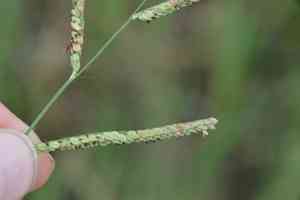
Longtom (Paspalum denticulatum)
Also known as: Sandbur, Sandspur
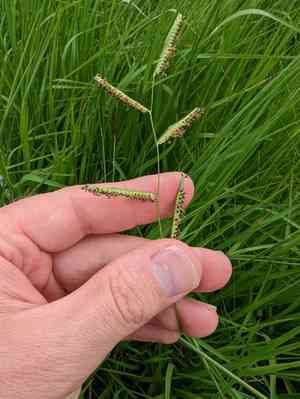
Longtom (Eustachys neglecta) is notable for its slender, erect stems reaching up to 1 meter in height. It has linear, narrow leaves and produces small, clustered spikelets. The flowering stalk, which bears tiny, spiked flowers, is a key feature for identification.
This grass species favors warm, subtropical to tropical climates and typically grows in well-drained soils. It is commonly found in coastal regions, open woodlands, and disturbed areas, showcasing its adaptability to a variety of environments.
In This Article
Attributes of Longtom
Lifespan
Perennial
Plant Type
Grass
Plant Height
1 to 3 feet (30 to 91 cm)
Spread
Not applicable, as it is a grass
Leaf Color
Green
Flower Size
Small, typically less than 1 inch
Flower Color
Greenish or purplish
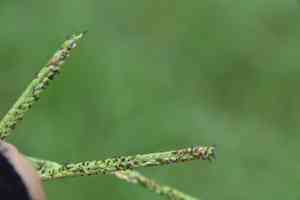
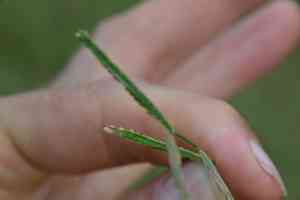
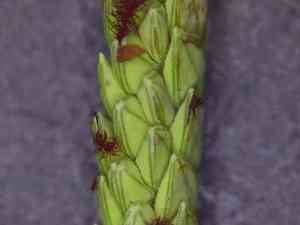
Images of Longtom
Quickly Identify Longtom
1
The plant can be identified by its slender, rough stems and distinctive burs that contain hard, spiny seeds. The leaves are flat and rough-textured, and the inflorescence is composed of multiple spikelets that adhere to clothing and fur.
Scientific Classification of Longtom
Phylum
Vascular plants
Class
Monocotyledons
Order
Poales
Family
Grass
Genus
Paspalum
Species
Longtom
Planting and Growing of Longtom
Care Difficulty
Easy
Watering Schedule
Every 3 days
Sunlight Requirements
Full sun
Sunshine Duration
10-12 hours
Ideal Temperature
68-86℉
Soil Type
Potting Mix, Peat Mix
Soil pH
6.5-7.5
Fertilizer Type
Balanced
Pruning Season
Spring, Summer
Pruning Area
Branches, Leaves
Pruning Frequency
2 times a year
Repotting Season
Spring
Pot Type
Plastic, Ceramic
 How to Water Longtom?
For Paspalum denticulatum, ensure the soil is thoroughly moist but not waterlogged. Water until you see drainage at the bottom to ensure deep watering, about 500 milliliters each time, depending on the size of the pot.
What are the symptoms of an underwatered Longtom?
›
What should I do if my Longtom is not getting enough water?
›
What are the symptoms of an overwatered Longtom?
›
How to save an overwatered Longtom?
›
 What Are the Sunlight Requirements for Longtom?
Paspalum denticulatum grows best with partial sun, as it ensures the plant receives enough light for photosynthesis while minimizing heat stress.
What is the best lighting condition for Paspalum denticulatum?
›
How to achieve the ideal lighting condition?
›
What are the benefits of achieving ideal lighting?
›
 What Is the Ideal Temperature Range for Longtom?
The ideal temperature range for cultivating Paspalum denticulatum lies between 68°F and 86°F. Within this range, the plant thrives well, achieving optimal growth and flowering. It's essential to maintain consistent temperatures to prevent stress and environmental shock, thus promoting robust health and vigor.
 What Soil is Best for Longtom?
Paspalum denticulatum thrives in soil with good drainage to prevent waterlogging. Well-draining soil allows air to circulate around the roots, promoting healthy growth and preventing root rot. The plant requires a soil rich in essential nutrients to flourish. Fertility ensures vigorous growth and robust foliage, contributing to the plant's overall health and stress resilience. While drainage is key, the soil should retain sufficient moisture to sustain the plant between waterings. This balance helps the plant endure periods of drought without wilting.
 How to Fertilize Longtom?
Paspalum denticulatum typically requires moderate amounts of fertilizer. For liquid fertilizers, apply approximately 10 to 15 milliliters per plant. For slow-release fertilizers, use about 20 grams per square meter per application. It's important not to exceed these amounts to avoid over-fertilization, which can harm the plant.
 How to Prune Longtom?
To effectively prune Paspalum denticulatum, first gather sharp, clean shears or scissors. Cleaning the tools with alcohol ensures no transmission of diseases. Identify any dead, damaged, or overgrown stems and leaves, as these will be the primary focus for removal. Begin pruning by cutting back any unproductive or brown stems. Trim the plant to the desired shape, but ensure not to remove more than one-third of the leaf mass at once. This helps in minimizing stress and encourages bushier growth. After pruning, water your Paspalum denticulatum well to help it recover from the stress of trimming. Providing a light fertilization can also aid in rejuvenating the plant, promoting new and healthy growth.
More About Pruning Techniques→
 How to Propagate Longtom plant?
1
Before sowing seeds or dividing plants, prepare the soil by loosening it and ensuring it is well-drained. This step is critical to provide a hospitable environment for root development.
2
Sow the seeds thinly across the prepared soil and lightly cover them with a thin layer of soil. Water gently to keep the surface moist and ensure seeds remain in place.
3
Carefully split an existing mature plant into smaller sections using a trowel. Each division should have a healthy root system to survive independently once replanted.
 How to Repot Longtom plant?
1
Repot Paspalum denticulatum when you notice its roots protruding from the drainage holes or the soil compacted. This indicates that the plant has outgrown its current pot and needs more space to thrive.
2
Select a pot that is 1-2 inches larger in diameter than the current one, with adequate drainage holes. This size ensures enough space for root expansion while preventing waterlogging, promoting healthy growth.
3
Use well-draining loamy soil, enriched with organic matter. Such soil provides essential nutrients and maintains moisture balance, crucial for the optimal growth conditions of Paspalum denticulatum.



