How to Transplant Long pricklyhead poppy?
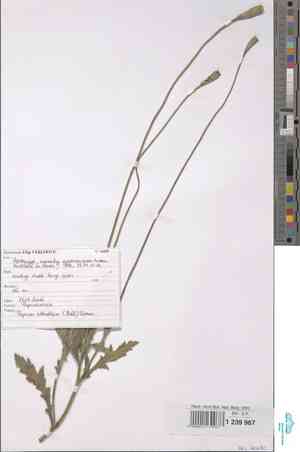
The ideal period for relocating long pricklyhead poppy extends from early spring through late spring, facilitating peak development. Select a location bathed in sunlight featuring soil that drains effectively. Offering shelter from breezes will be advantageous, guaranteeing a successful transplantation.
What Preparations are Needed Before Transplanting Long Pricklyhead Poppy?
What is the Ideal Time for Transplanting Long Pricklyhead Poppy?
The optimal period for relocating long pricklyhead poppy spans from the onset of spring to its gentle conclusion. Moving long pricklyhead poppy during this timeframe capitalizes on the damp, cool earth and extended daylight, promoting robust root development for a vibrant flowering season. A friendly reminder: early season transplantation aligns with long pricklyhead poppy's growth cycle, promising a strong and visually appealing display!
How Much Space Should You Leave Between Long Pricklyhead Poppy Plants?
When moving your long pricklyhead poppy, please provide each plant with its own area of approximately 6-12 inches (15-30 cm). This will prevent overcrowding and allow them ample room to flourish!
What is the Best Soil Mix for Long Pricklyhead Poppy Transplanting?
Your long pricklyhead poppy will thrive best in soil that drains well and is rich in nutrients. Before transplanting, incorporate some organic compost as a foundational fertilizer to give them a nourishing start. It's like a welcoming feast for their roots!
Where Should You Relocate Your Long Pricklyhead Poppy?
Locate a sunny spot in your garden for your long pricklyhead poppy. These plants enjoy soaking up direct sunlight, so a location where they can receive at least 6 hours of sun daily will make them most content!
What Equipments Should You Prepare Before Transplantation Long Pricklyhead Poppy?
Gardening Gloves
To safeguard your hands while handling soil and plants.
Shovel or Spade
For digging the transplant hole and extracting the long pricklyhead poppy from its original spot.
Watering Can or Hose
To gently hydrate the long pricklyhead poppy both before and after its relocation.
Trowel
For adjusting the soil within the planting hole and around the long pricklyhead poppy once positioned.
Pruning Shears
To trim any damaged roots or foliage, if required.
Planting Labels
To identify long pricklyhead poppy with its name, transplant date, or any other pertinent details.
Wheelbarrow or Garden Cart
To transport the plant and soil without strain, especially if the plant is large.
How Do You Remove Long Pricklyhead Poppy from the Soil?
How Do You Remove Long Pricklyhead Poppy from the Soil?
From Ground: First, thoroughly water the long pricklyhead poppy to minimize transplant shock. Using a shovel or spade, dig a wide circle around the plant to avoid root damage. Carefully lift the plant from underneath, keeping the soil and root system as intact as possible.From Pot: Begin by watering the long pricklyhead poppy to facilitate the removal of roots and soil as a single unit. Turn the pot on its side and gently tap the edges to loosen the soil. Carefully slide the plant out by the base of the stem, supporting the root ball with your other hand.From Seedling Tray: Water the seedlings to moisten the soil. Use a trowel or your fingers to delicately extract the long pricklyhead poppy seedlings, ensuring the roots and attached soil remain undisturbed.
Step-by-Step Guide for Transplanting Long Pricklyhead Poppy
Preparation
Thoroughly water the long pricklyhead poppy before beginning to reduce transplant stress.
Dig a Hole
Excavate a hole twice as wide and of equal depth to the root ball to ensure ample space for root expansion.
Placement
Gently position the long pricklyhead poppy in the center of the hole. The top of the root ball should be level with the surrounding ground.
Fill the Hole
Carefully backfill around the root ball with soil. Lightly firm the soil to eliminate air pockets without excessive compaction.
Initial Watering
Water the long pricklyhead poppy generously immediately after transplanting to settle the soil and hydrate the roots.
Labeling
Place a label with the long pricklyhead poppy's name and transplant date near the plant to track its development.
How Do You Care For Long Pricklyhead Poppy After Transplanting?
Watering
Provide the long pricklyhead poppy with consistent moisture, particularly in the initial period after transplanting, to aid its establishment in the new location.
Mulching
Apply a layer of mulch around the base of the long pricklyhead poppy to retain soil moisture and suppress weed growth.
Supporting
If the long pricklyhead poppy exhibits a tall or sprawling growth habit, consider staking or using plant supports to keep it upright as it establishes.
Monitoring
Regularly inspect the long pricklyhead poppy for indications of stress, such as wilting or discoloration, and adjust care as needed.
Pruning
Remove any damaged or dead leaves to encourage healthy new growth and better plant establishment.
Troubleshooting Common Issues with Long Pricklyhead Poppy Transplantation.
What's the best time to transplant long pricklyhead poppy seedlings?
Transplant long pricklyhead poppy during early to mid-spring when temperatures are mild for optimal results.
How far apart should I space long pricklyhead poppy plants when transplanting?
Space long pricklyhead poppy about 6-12 inches (15-30 cm) apart to allow enough room for growth.
What kind of lighting does long pricklyhead poppy require after transplanting?
Long pricklyhead poppy thrives in full sun, so ensure the transplant site receives plenty of direct sunlight.
How do I prepare the soil before transplanting long pricklyhead poppy?
Enrich the soil with compost and ensure it's well-draining before placing long pricklyhead poppy into the ground.
Can long pricklyhead poppy be transplanted on a hot, sunny day?
It's best to transplant long pricklyhead poppy on a cloudy day or in the evening to avoid stress from the heat.
How deep should the holes be for long pricklyhead poppy seedlings?
Dig holes that are as deep as the root ball and twice as wide to give long pricklyhead poppy a good start.
What should I do if long pricklyhead poppy wilts after transplanting?
Provide shade and water gently. Long pricklyhead poppy may wilt initially but should recover with consistent moisture and care.
How do I water long pricklyhead poppy after transplanting?
Water long pricklyhead poppy generously right after transplanting and then keep the soil evenly moist, but not waterlogged.
When can I start fertilizing long pricklyhead poppy after transplanting?
Wait 3-4 weeks to allow long pricklyhead poppy to establish, then fertilize lightly to encourage growth.
How long does it take for long pricklyhead poppy to settle after transplanting?
Long pricklyhead poppy generally takes a few weeks to acclimate. Monitor and maintain consistent care for healthy growth.



