How to Prune Long pricklyhead poppy?
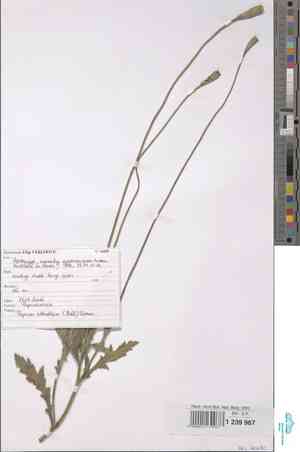
This yearly herbaceous variety thrives with limited trimming. Regularly remove faded blossoms from long pricklyhead poppy to stimulate additional flowering and inhibit self-propagation. Trimming can be performed from spring through autumn to sustain the plant's vitality and visual appeal. Make sure cuts are clean to prevent illness. Pruning is not merely for looks; it fosters robust development by channeling energy toward fresh blooms and ensuring adequate air movement among the leaves.
What Are the Benefits of Pruning Long Pricklyhead Poppy?
What Are the Benefits of Pruning Long Pricklyhead Poppy?
Trimming long pricklyhead poppy promotes robust development by reallocating energy to healthier shoots and preserving its desired form for visual appeal.
What Is the Best Time for Pruning Long Pricklyhead Poppy?
What Is the Best Time for Pruning Long Pricklyhead Poppy?
Pruning in Spring enables gardeners to eliminate any winter-damaged or diseased growth and prepare long pricklyhead poppy for the upcoming growing season. Early Summer pruning is suitable for shaping the plant and removing faded flowers to encourage a second bloom. Fall pruning involves cutting back long pricklyhead poppy after flowering is complete, preventing unwanted self-seeding and tidying the plant before winter dormancy. These periods are ideal as they align with the plant's natural growth cycle, ensuring pruning does not hinder bloom production or the plant's recovery.
What Tools Do I Need to Prune Long Pricklyhead Poppy?
Hand Pruners
Perfect for making precise cuts to remove dead or unwanted foliage from long pricklyhead poppy, fostering healthy growth without harming the delicate stems.
Gloves
Crucial for protection when handling long pricklyhead poppy, which may possess small spines or prickly seed heads.
Sharpening Tool
Keeping hand pruners sharp will ensure clean cuts that help prevent disease and pests from entering the cut areas on long pricklyhead poppy.
How to Prune Long Pricklyhead Poppy
Clean tools
Disinfect pruning shears with rubbing alcohol or a bleach solution to prevent the spread of disease.
Selective removal
Identify long pricklyhead poppy's withered leaves, being careful not to confuse them with healthy ones essential for photosynthesis.
Cut location
Cut the withered leaves at their base where they meet the stem, using a clean, sharp cut to minimize damage to long pricklyhead poppy.
Disposal
Remove the withered leaves from the vicinity of long pricklyhead poppy to deter pests and prevent fungal infections.
Post prune care
Monitor long pricklyhead poppy after pruning for signs of new growth or distress, providing water and nutrients as needed for recovery and health.
Common Pruning Mistakes with Long Pricklyhead Poppy
Overpruning
Removing too much foliage from long pricklyhead poppy at once can stress the plant and impede its growth and flowering. Aim to prune no more than one-third of the plant at a time.
Improper tool use
Using dull or dirty tools can damage the stems and leave long pricklyhead poppy susceptible to disease. Ensure pruning tools are sharp and clean before use.
Neglecting deadheading
Failing to remove spent blooms from long pricklyhead poppy can prevent further flowering. Regular deadheading encourages new blooms and keeps the plant tidy.
Pruning active growth
Cutting off actively growing tips can limit long pricklyhead poppy's ability to produce flowers. Focus on removing dead or diseased tissue and spent blooms.
Common Pruning Tips for Long Pricklyhead Poppy
Selective pruning
Prune long pricklyhead poppy selectively, focusing on removing dead or diseased tissue. This helps to maintain the plant's shape and health without inhibiting its growth.
Use clean cuts
Make clean, angled cuts just above a bud or branching point to promote healthy regrowth. Avoid tearing or crushing long pricklyhead poppy's stems.
Deadhead regularly
Regularly remove spent blooms from long pricklyhead poppy to promote continuous flowering. Snip off the faded flowers at the base of the bloom.
Sanitize tools
Sanitize pruning tools before and after use to prevent the spread of disease between long pricklyhead poppy and other plants. Use a solution of 1 part bleach to 9 parts water for effective sanitization.



