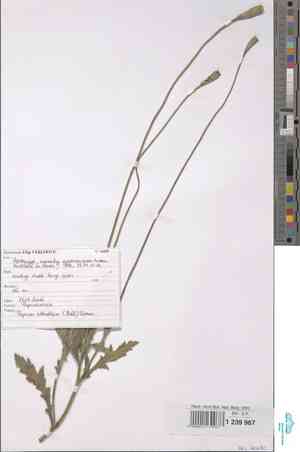
Long pricklyhead poppy (Papaver argemone)
Also known as: Pale poppy, Pinnate poppy
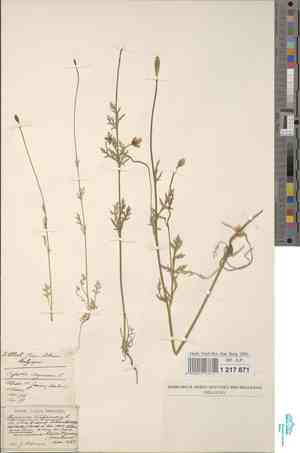
The poppy you are referring to is the long pricklyhead poppy (Papaver argemone). It is known for its striking four-petaled flowers, which range from red to red-orange with distinctive black centers. This plant is notable for the prickly hairs along its stem. While grazing animals tend to avoid it, it is a favorite among bees and beetles, which serve as its main pollinators.
In This Article
Attributes of Long pricklyhead poppy
Lifespan
Annual
Plant Type
Herb
Plant Height
15 cm to 50 cm
Spread
20 cm
Leaf Color
Bluish-green
Flower Size
2 cm to 6 cm
Flower Color
Orange Black
Images of Long pricklyhead poppy
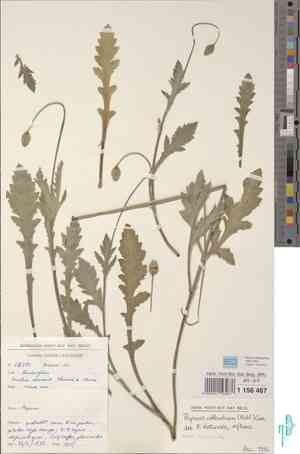
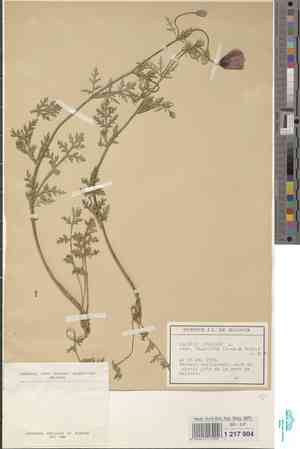
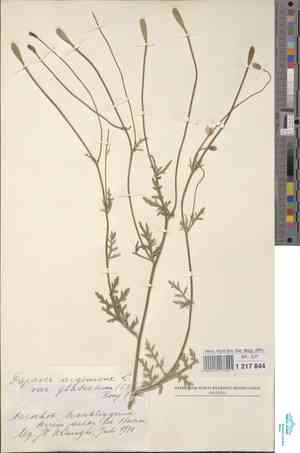
Quickly Identify Long pricklyhead poppy
1
To identify Papaver argemone, look for its long, narrowly cylindrical seed capsules and its soft, silky petals that are typically pale red. The leaves are deeply lobed and have a bluish-green hue.
Scientific Classification of Long pricklyhead poppy
Phylum
Vascular plants
Class
Dicotyledons
Order
Ranunculales
Family
Poppy
Genus
Poppies
Species
Long pricklyhead poppy
Planting and Growing of Long pricklyhead poppy
Care Difficulty
Easy
Watering Schedule
Every 2 days
Sunlight Requirements
Full sun
Sunshine Duration
6-10 hours
Ideal Temperature
68-77℉
Soil Type
Potting Mix, Peat Mix
Soil pH
6.5-7.5
Fertilizer Type
Balanced
Pruning Season
Spring, Summer
Pruning Area
Branches, Leaves
Pruning Frequency
2 times a year
Repotting Season
Spring
Pot Type
Plastic, Ceramic
 How to Water Long pricklyhead poppy?
For Papaver argemone, ensure the soil is consistently moist, but never soggy. Each watering session should aim to deliver approximately 200 milliliters of water, allowing the topsoil to dry slightly between sessions. This careful balance mimics the plant's natural environment, preventing both dehydration and root rot.
What are the symptoms of an underwatered Long pricklyhead poppy?
›
What should I do if my Long pricklyhead poppy is not getting enough water?
›
What are the symptoms of an overwatered Long pricklyhead poppy?
›
How to save an overwatered Long pricklyhead poppy?
›
 What Are the Sunlight Requirements for Long pricklyhead poppy?
Papaver argemone thrives in full sun conditions. Adequate sunlight enhances its photosynthesis, stimulating luscious growth, prolific flowering, and stronger resistance to environmental stressors.
More About Sunlight Requirements Techniques→
What is the ideal sunlight intensity for Papaver argemone?
›
How can you achieve this ideal sunlight condition?
›
What are the benefits of providing ideal sunlight to Papaver argemone?
›
 What Is the Ideal Temperature Range for Long pricklyhead poppy?
Papaver argemone thrives best between 68°F and 77°F. This temperature range provides the optimal balance for growth and flowering, ensuring that the plant’s metabolic processes function efficiently and that it can effectively utilize nutrients. Maintaining a consistent temperature within this range helps promote a healthy growth cycle, leading to lush foliage and vibrant blooms.
 What Soil is Best for Long pricklyhead poppy?
Papaver argemone thrives in well-drained soil, which helps prevent root rot and fungal diseases. A well-drained medium allows excess water to escape easily, ensuring the roots receive adequate air for optimal health and growth. Although Papaver argemone can tolerate poorer soils, it benefits greatly from nutrient-rich soil. Incorporating organic matter like compost can enrich the soil, providing essential nutrients for robust blooms and plant vigor. Soil with moderate moisture retention keeps Papaver argemone hydrated without becoming waterlogged. This balance is crucial during dry spells, ensuring the plant remains healthy and continues to flourish.
 How to Fertilize Long pricklyhead poppy?
Papaver argemone, commonly known as prickly poppy, requires a careful balance of nutrients to thrive. For liquid fertilizers, use a half-strength balanced fertilizer, approximately 0.5 grams per liter of water, ensuring not to overfeed these delicate plants.
 How to Prune Long pricklyhead poppy?
Before you start, inspect the plant to identify dead or diseased stems and leaves. These should be the first to be removed, as they can harbor pests and disease which can spread to healthy parts of the plant. When making cuts, make sure to cut at a 45-degree angle above a leaf node. This will help the plant heal more efficiently and direct new growth outward. Prune the interior stems lightly to allow for better air circulation. This reduces the chances of fungal diseases developing due to excess moisture trapped within the plant.
More About Pruning Techniques→
 How to Propagate Long pricklyhead poppy plant?
1
Fill the seed trays with a sterile potting mix, ensuring it's moist but not waterlogged. Level the surface and gently tamp down to remove air pockets while avoiding compacting the soil too much.
2
Sow the papaver argemone seeds thinly on the surface of the potting mix. Lightly press them into the soil without covering them completely, as they need light to germinate. Mist the surface with water to settle the seeds.
3
Place the seed trays in a location with bright but indirect sunlight. Maintain a consistent temperature around 15-20°C. Keep the soil moist, and seedlings should emerge in 10-14 days. Monitor humidity and light levels closely.
 How to Repot Long pricklyhead poppy plant?
1
Papaver argemone shows signs of needing repotting when its roots start poking out from the drainage holes or when growth considerably slows down. It's best to repot during spring or autumn to minimize stress and allow the plant to establish before extreme temperatures set in.
2
Select a pot that is one size larger than the current one and ensures excellent drainage. This prevents root rot and provides enough room for the roots to spread. Light-colored pots are preferable as they reflect heat, maintaining a stable root temperature.
3
Opt for a well-draining sandy soil mix. This mimics its natural habitat, allowing excess water to escape easily, preventing root rot and ensuring that the plant's roots remain healthy and aerated.
Toxicity
Ingestion
WARNING
The judgment on toxicity and danger is for reference only. We DO NOT GUARANTEE any accuracy of such judgment. Therefore, you SHALL NOT rely on such judgment. It is IMPORTANT TO SEEK PROFESSIONAL ADVICE in advance when necessary.
Learn More About Long pricklyhead poppy Diseases
Anthracnose
Bacterial Leaf Spot
Bacterial Soft Rot
Bacterial Wilt
Damping-off
Downy Mildew
Drought Stress
Fusarium Wilt
Gray Mold
Leaf Curl
Leaf Spot
Mosaic
Nutrient Deficiency
Nutrient Toxicity
Powdery Mildew
Root Rot
Root-knot Nematode
Rusts
Sooty Mold
Spider Mites
Temperature Stress
Thrips Damage
White Mold



