How to Transplant Tickle grass?
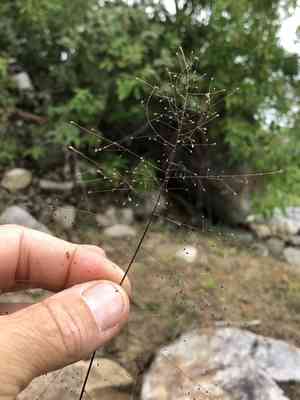
For tickle grass, the ideal period for relocation is from the onset of mid-spring through the beginning of summer's heat, guaranteeing robust development. Choose a location bathed in sunlight with soil that drains effectively. Careful manipulation of its fragile root system will contribute to successful integration.
Essential Preparations Before Relocating Tickle Grass?
Optimal Period for Transplanting Tickle Grass?
The ideal period for moving tickle grass is during the mild warmth of late spring. This timing allows tickle grass to establish its root system before the peak of summer, boosting its resilience and development. Transplanting tickle grass as the ground thaws promotes excellent root expansion and adaptation, setting the stage for a thriving season. Choosing this window for your tickle grass ensures it flourishes, showcasing its full beauty in the subsequent months.
Recommended Spacing Between Tickle Grass Plants?
Hello! For your lovely tickle grass, you'll want to provide ample room for growth. Aim to space them approximately 6-12 inches (15-30 cm) apart. This will ensure each plant has sufficient space to develop robustly without overcrowding!
Best Soil Mixture for Tickle Grass Transplantation?
To create an inviting environment for your tickle grass, prepare a well-draining soil enriched with some organic material, such as compost. Prior to planting, incorporate a balanced, slow-release fertilizer to supply your tickle grass with the necessary nutrients for vigorous growth.
Optimal Location for Relocating Your Tickle Grass?
Your tickle grass thrives in sunlight, so select a bright spot in your garden where it will receive full sun for most of the day. This will help your plant grow happily and healthily!
Equipment Needed Before Transplanting Tickle Grass?
Gardening Gloves
To safeguard your hands while handling soil and plants.
Spade or Shovel
For excavating around and beneath the plant.
Hand Trowel
For more precise digging tasks, especially with smaller plants or when extracting them from containers.
Watering Can or Hose
To hydrate the plant before and after its relocation.
Pruning Shears
To trim any dead or excessive foliage and roots, if required.
Wheelbarrow or Planting Cart
To transport the plant and soil, particularly if the plant is large.
Tape Measure
To accurately space out where the tickle grass will be planted according to its growth requirements.
Plant Supports or Stakes
To offer stability to tickle grass post-transplant, if the plant is tall or susceptible to wind damage.
How to Extract Tickle Grass from the Soil?
How to Extract Tickle Grass from the Soil?
From Ground: Moisten the tickle grass's soil. Then, dig a wide circle around the plant using a shovel or spade, ensuring the plant's root ball remains intact. Carefully work the spade under the root ball to gently lift the plant from its original spot.From Pot: Start by watering the soil to facilitate plant removal. Turn the pot on its side and gently tap the bottom and sides to loosen the tickle grass. Hold the plant's base and carefully slide it out, being cautious not to pull on the plant and cause damage.From Seedling Tray: Gently push from the cell's bottom to lift the tickle grass seedling. Be sure to handle it by the leaves rather than the stem to minimize harm. If roots are growing through the bottom, carefully snip them with pruning shears instead of pulling.
Step-by-Step Guide for Transplanting Tickle Grass
Excavating the Hole
Dig a hole in the ground that is twice the width of the tickle grass's root ball but maintains the same depth. This prevents burying the plant too deeply while allowing roots ample room to spread.
Root Preparation
Gently remove any dead or broken roots, and untangle any circling roots to encourage outward growth into the surrounding soil.
Positioning the Plant
Carefully lower the tickle grass into the hole, ensuring it is upright and at the same depth it was previously growing. The top of the root ball should be level with the ground surface.
Backfilling the Hole
Refill the hole with the excavated soil. Gently but firmly press the soil around the root ball to eliminate any air pockets.
Watering
Thoroughly water the tickle grass after planting to settle the soil and hydrate the roots. Use a watering can or hose to apply a gentle stream around the plant's base.
Stabilization
Once watered, add supports or stakes if the plant requires additional stability. Loosely tie the tickle grass to the supports with a soft material to prevent damage.
Post-Transplant Care for Tickle Grass?
Monitoring
Regularly inspect the tickle grass for any indications of stress, such as wilting or discolored leaves, and take appropriate measures.
Watering
Water the tickle grass deeply to promote the development of strong, deep roots. Frequency will depend on weather conditions, but avoiding waterlogging the soil is crucial.
Mulching
Apply a layer of mulch around the base of the tickle grass to help retain soil moisture, suppress weeds, and regulate soil temperature.
Supportive Care
Check the stakes and ties to ensure they are not impeding the growth of the tickle grass and adjust them as needed as the plant matures.
Resolving Common Issues with Tickle Grass Transplantation.
When is the best time to transplant tickle grass?
Transplant tickle grass during the sweet spot of mid to late spring for optimal growth.
How far apart should I plant tickle grass?
Space tickle grass approximately 6-12 inches (15-30 cm) apart to ensure they have ample room to flourish.
What if tickle grass's leaves wilt after transplanting?
Wilting may indicate shock. Keep the soil moist and provide shade for a few days.
Why is my tickle grass not standing upright post-transplant?
This could be due to root damage. Gently firm the soil around the base and water it.
Can I transplant tickle grass on a hot day?
It's best to transplant tickle grass on cooler, overcast days to reduce stress on the plant.
How deep should I plant tickle grass?
Transplant tickle grass at the same depth it was growing previously to avoid root suffocation or exposure.
How much should I water tickle grass after transplanting?
Water thoroughly after transplanting to settle the soil and hydrate the roots, but avoid overwatering.
Should I fertilize tickle grass right after transplanting?
Wait 3-4 weeks post-transplant before fertilizing to avoid burning the tender roots.
Why is tickle grass yellowing after I transplanted it?
Yellowing could signal transplant shock or nutrient deficiency. Keep soil moist and assess sunlight and nutrients.
Can I transplant tickle grass when it's windy?
Avoid transplanting in strong winds which can desiccate leaves and stress tickle grass. Choose a calm day.



