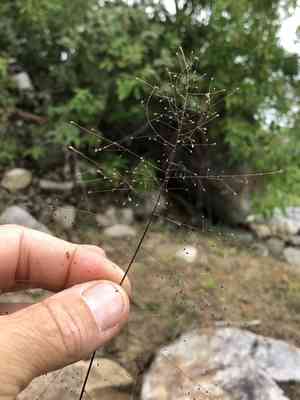
Tickle grass (Panicum trichoides)
Also known as: Umbrella grass, Tiny panicgrass
Tufted hairgrass (Deschampsia cespitosa) is an elegant grass with delicate, hair-like foliage that gives it a feathery appearance. Its thin, upright stems end in light, airy seed heads that gently move with the wind. This grass generally thrives in sunny, open areas and can adapt to a range of soil conditions, making it suitable for both wet and dry environments. Its adaptability and resilience make tufted hairgrass a versatile and low-maintenance option for various landscapes.
In This Article
Attributes of Tickle grass
Lifespan
Annual
Plant Type
Grass
Plant Height
30-60 cm
Spread
10-30 cm
Leaf Color
Green
Flower Size
0.1-0.2 cm
Flower Color
White Green
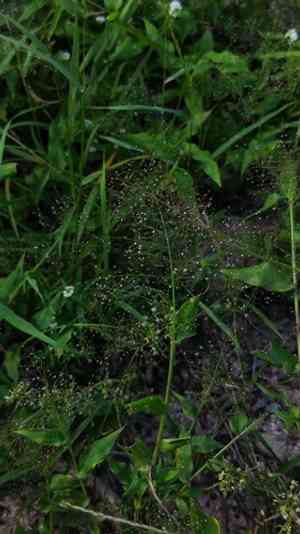
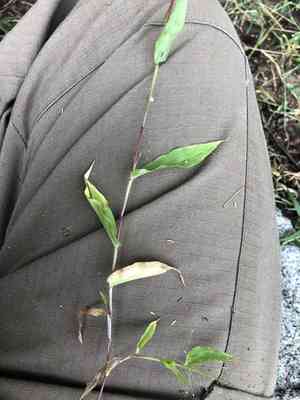
Images of Tickle grass
Quickly Identify Tickle grass
1
Identification of Panicum trichoides can be done by observing its thin, wiry stems and branched inflorescences that look like delicate umbrellas. The leaves are narrow, and the overall plant has a grass-like appearance.
Scientific Classification of Tickle grass
Phylum
Vascular plants
Class
Monocotyledons
Order
Poales
Family
Grass
Genus
Panicgrasses
Species
Tickle grass
Planting and Growing of Tickle grass
Care Difficulty
Easy
Watering Schedule
Every 3 days
Sunlight Requirements
Partial sun
Sunshine Duration
4-8 hours
Ideal Temperature
68-86℉
Soil Type
Potting Mix, Peat Mix
Soil pH
6.5-7.5
Fertilizer Type
Balanced
Pruning Season
Spring, Summer
Pruning Area
Branches, Leaves
Pruning Frequency
2 times a year
Repotting Season
Spring
Pot Type
Plastic, Ceramic
 How to Water Tickle grass?
Panicum trichoides thrives when watered deeply but infrequently. This means the soil should be soaked to a depth of about 6 inches, which helps to strengthen root development by encouraging them to grow deeper. A thorough soak every time ensures that the soil absorbs water sufficiently, providing the plant with the moisture it needs without drowning it. The soaking should be 200 milliliters per session. Care should be taken not to water too shallowly, as it might lead to surface-root growth which could make the plant susceptible to dry conditions.
What are the symptoms of an underwatered Tickle grass?
›
What should I do if my Tickle grass is not getting enough water?
›
What are the symptoms of an overwatered Tickle grass?
›
How to save an overwatered Tickle grass?
›
 What Are the Sunlight Requirements for Tickle grass?
Panicum trichoides best grows with partial sun exposure. This balance supports sturdy growth and vibrant foliage, as it closely mimics the plant's natural environment conditions.
How much sunlight does Panicum trichoides need?
›
What solutions help achieve ideal lighting?
›
What benefits does ideal lighting offer?
›
 What Is the Ideal Temperature Range for Tickle grass?
The ideal temperature range for Panicum trichoides cultivation lies between 68°F and 86°F. Within this range, the plant can efficiently perform photosynthesis and maintain metabolic processes, which are crucial for its robust growth and development. Temperatures outside this range could stress the plant and reduce its growth rate.
 What Soil is Best for Tickle grass?
Panicum trichoides thrives best in well-drained soils that prevent waterlogging and ensure the roots receive adequate oxygen. This feature helps avert root rot and keeps the plant healthy and robust. Having soil rich in organic matter is indispensable for Panicum trichoides. Nutrient availability in soil boosts the plant's growth rate and enhances its lush, green foliage. While being well-drained, the soil must also retain moderate moisture levels to keep the plant hydrated without excessive dampness. This balance ensures steady growth and vibrant health.
 How to Fertilize Tickle grass?
When fertilizing Panicum trichoides, it's crucial to provide a balanced quantity that supports robust growth without overwhelming the plant. Typically, for liquid fertilizers, a dilution ratio of 1:5 (fertilizer:water) is recommended. Apply approximately 150ml per plant for adequate nourishment.
 How to Prune Tickle grass?
Begin by examining the plant and locate any dead, damaged, or discolored leaves. These parts should be removed first as they can hinder the plant's growth and aesthetics. Trim back the grass to maintain its shape and size. Cut just above a node to encourage new growth and remember to step back occasionally to ensure symmetry and balance. For a fuller appearance, selectively prune stems back to the base of the plant. This will stimulate new shoots, ultimately leading to denser and more lush growth.
More About Pruning Techniques→
 How to Propagate Tickle grass plant?
1
Ensure the soil is well-draining and rich in organic matter. It provides a nutrient-rich environment for seedling growth.
2
Sow the seeds in early spring inside a seed tray, lightly cover with soil, and keep them moist. This promotes healthy germination.
3
In early spring, carefully dig up a mature plant and use the spade to divide the roots into smaller clusters for replanting.
 How to Repot Tickle grass plant?
1
Repot Panicum trichoides when you notice roots coming out of the drainage holes or the plant's growth becomes stunted. These are clear signs that the plant has outgrown its current pot. If you observe the soil drying out quicker than usual, it's time to consider repotting.
2
Select a pot that is 2-3 inches larger in diameter than the current one. A pot with ample drainage holes promotes healthy root growth and prevents waterlogging. Terracotta pots are a great choice as they allow better air circulation, though plastic pots are also fine if that's your preference.
3
Opt for a well-draining sandy soil mix. This ensures that excess water flows through easily, preventing root rot. Adding a bit of perlite or vermiculite to the soil mix improves drainage and aeration, providing a supportive environment for new root growth.



