How to Prune Tickle grass?
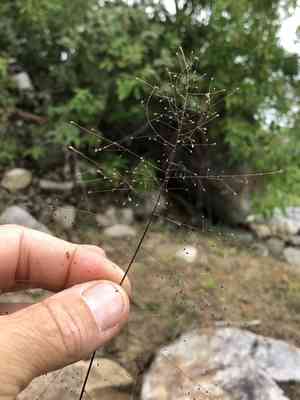
This finely textured perennial grass, known for its delicate, eyelash-like flower clusters, flourishes with infrequent trimming. For tickle grass, strategic maintenance during spring, summer, or autumn is crucial for preserving its appearance and vitality. Eliminate withered leaves and separate congested groupings to stimulate robust development. Trimming after the blooming period allows for natural seed dispersal, boosting reproduction. Careful cutting also deters excessive expansion, guaranteeing the plant's elegant shape remains intact and isn't hindered by excessive thickness.
What Are the Benefits of Pruning Tickle Grass?
What Are the Benefits of Pruning Tickle Grass?
Trimming tickle grass promotes robust development and helps maintain its desired form, crucial for both aesthetic appeal and the plant's well-being. Regular cutting can encourage denser foliage, lower disease risk, and manage size for landscaping purposes.
What Is the Best Time for Pruning Tickle Grass?
What Is the Best Time for Pruning Tickle Grass?
Pruning tickle grass in the Spring, specifically before new growth begins, fosters healthy development and revitalizes the plant by encouraging fresh growth. Early Summer pruning benefits tickle grass as it helps maintain shape and manage size without negatively impacting its growth cycle. Late Fall pruning, after the plant has entered dormancy, is ideal for removing dead or diseased foliage, which can help prevent the spread of pests and diseases in the next growing season. This timing also minimizes stress on tickle grass, as it is not actively channeling energy into growth or reproduction.
What Tools Do I Need to Prune Tickle Grass?
Hand Pruners
Perfect for making precise cuts on tickle grass's slender stems while offering sufficient strength to trim without harming the plant.
Pruning Shears
Optimal for shaping and controlling the size of tickle grass as they allow for quick, clean cuts without damaging surrounding foliage.
Gardening Gloves
To safeguard hands from potential irritation when handling tickle grass, as grasses can sometimes have sharp edges.
How to Prune Tickle Grass
Select tool
Choose clean, sharp scissors or hand pruners for accurate cutting to avoid damaging tickle grass.
Identify withered leaves
Examine tickle grass closely to locate withered leaves, which are typically brown, dry, and may be curled or drooping.
Cut withered leaves
Snip the withered leaves at their base where they meet the stem or the surrounding live foliage, cutting at a slight angle to promote healthy regrowth.
Dispose
Carefully gather and discard the trimmed material to prevent any potential disease spread or pest infestation around tickle grass.
Clean tools
After pruning, clean the tools with rubbing alcohol or a bleach solution to prevent disease transmission during future pruning sessions.
Common Pruning Mistakes with Tickle Grass
Over-pruning
Removing too much growth at once can stress tickle grass, leading to poor growth or even plant death.
Pruning too close
Cutting too close to the main stems or crown can damage the plant. It's important to leave a small buffer to avoid harming the base of tickle grass.
Incorrect tool use
Using dull or dirty tools can create jagged cuts that harm tickle grass and may introduce disease.
Tearing stems
Tugging or ripping stems instead of making clean cuts can damage the plant's vascular system, affecting its ability to transport nutrients and water.
Common Pruning Tips for Tickle Grass
Clean cuts
Use sharp, clean shears to make precise cuts, which will help tickle grass recover more quickly and reduce the risk of disease.
Selective thinning
Target older and weaker stems for removal to improve air flow and light penetration, which can encourage healthier growth of tickle grass.
Consider plant shape
Prune with the natural form of tickle grass in mind to maintain its appearance and avoid over-pruning.
Disinfect tools
Clean pruning tools before and after use to prevent the spread of pests and diseases to or from tickle grass.



