How to Transplant Delavay's tree peony?
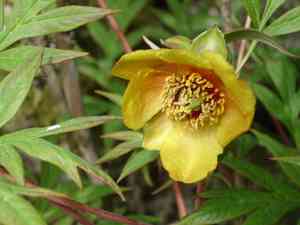
For delavay's tree peony, the ideal period for transplanting is at the onset of new development; a mild season marked by moderate warmth and rejuvenation. Select a location with partial shade, protected from strong gusts. Effective soil drainage is crucial for delavay's tree peony's root establishment.
What Preparations are Needed Before Transplanting Delavay's Tree Peony?
What is the Ideal Time for Transplanting Delavay's Tree Peony?
The optimal period to move delavay's tree peony is during the spring season, as warmer temperatures stimulate root development. Relocating at this time promotes rapid recovery and vigorous growth, essential for thriving plants.
How Much Space Should You Leave Between Delavay's Tree Peony Plants?
First, when relocating delavay's tree peony, consider the spacing! A distance of approximately 4-6 feet (1.2-1.8 meters) between each plant will be most effective. This allows ample room for each to grow and flourish!
What is the Best Soil Mix for Delavay's Tree Peony Transplanting?
Next, let's get the soil ready! Delavay's tree peony thrives in well-drained soil enriched with organic matter as a base fertilizer. Therefore, before transplanting, incorporate high-quality compost into the soil to provide your plant with a nutrient-rich beginning.
Where Should You Relocate Your Delavay's Tree Peony?
Finally, select the appropriate location for your delavay's tree peony. It prefers a sunny or partially shaded spot. Be sure to avoid areas where the sun is most intense around midday, as this could harm the plant.
What Equipments Should You Prepare Before Transplantation Delavay's Tree Peony?
Gardening Gloves
These will safeguard your hands from thorns and harmful microbes present in the soil.
Spade
A tool designed for excavating and shifting loose earth material. This is perfect for extracting and replanting delavay's tree peony seedlings.
Pruning Shears
This implement is ideal for trimming delavay's tree peony plant branches and removing dead sections prior to transplanting.
Garden Trowel
This will be utilized for preparing planting holes that match the size of the delavay's tree peony's root system.
Watering Can
You'll require this to ensure the plant is adequately hydrated before, during, and after the relocation.
Mulch
This is crucial for maintaining the necessary soil moisture for delavay's tree peony plants following transplantation.
Garden Stakes and Tie Tape
They offer additional support and prevent damage from wind after transplant.
How Do You Remove Delavay's Tree Peony from the Soil?
How Do You Remove Delavay's Tree Peony from the Soil?
From Ground: Carefully extract the delavay's tree peony from the ground by digging a wide circle around it with your spade. The distance should be sufficient to keep the root ball intact. Position your spade beneath the root ball and gently lift the plants out of the ground.From Pot: Begin by watering the delavay's tree peony plant to moisten the root ball. Turn the pot on its side, hold it gently, and tap the bottom to loosen it. Steadily pull out the plant, ensuring the root ball emerges in one piece.From Seedling Tray: Water the seedlings, then gently push the bottom of the seedling cell to release the delavay's tree peony plants. Be sure to handle them by their leaves to avoid harming the delicate roots.
Step-by-Step Guide for Transplanting Delavay's Tree Peony
Location Preparation
Ensure the area is free of weeds and other vegetation. Dig a hole that is twice the width of the delavay's tree peony's root ball and of equal depth.
Plant Preparation
Water the delavay's tree peony plant thoroughly before the transplant to reduce transplant shock. Remove any dead or weak foliage or stems.
Planting
Place your delavay's tree peony into the hole, ensuring it is at the same depth as before. Backfill the hole with soil, gently pressing it around the base of the delavay's tree peony plant.
Watering
After planting, water delavay's tree peony thoroughly, and spread a layer of mulch around the plant to retain moisture.
Support
For larger delavay's tree peony plants, use garden stakes and tie tape to provide additional support and prevent wind damage.
How Do You Care For Delavay's Tree Peony After Transplanting?
Watering
For the initial weeks following transplantation, keep the soil moist but avoid overwatering to prevent the delavay's tree peony plant from sitting in waterlogged conditions.
Pruning
Regularly prune your delavay's tree peony plant to encourage new growth. Remove any dead, damaged, or diseased branches that may have appeared after transplanting.
Protection
In the first few weeks after transplanting, monitor for pests and diseases. Should you detect any, address them promptly. Be gentle with the plant until it is fully established.
Growth Monitoring
Routinely check on your delavay's tree peony's growth. If it appears stunted, this may indicate a problem, so consult a gardening expert or local extension service for assistance.
Troubleshooting Common Issues with Delavay's Tree Peony Transplantation.
When is the best time to transplant my delavay's tree peony?
It's advisable to relocate your delavay's tree peony between early Spring and late Summer, ensuring the plant's healthy establishment.
What is the ideal spacing when replanting delavay's tree peony?
Aim for approximately 4-6 feet (1.2-1.8 meters) of space between each delavay's tree peony for optimal growth.
What should I do if my transplanted delavay's tree peony wilts?
Don't worry, minor wilting is normal after transplanting. Just ensure you water it well and provide some shade.
Why are the leaves of my transplanted delavay's tree peony turning yellow?
Yellowing can indicate water stress. Check the soil moisture. Both excessive and insufficient water can cause this.
How deep should I plant my delavay's tree peony?
Plant your delavay's tree peony so that the eyes (growth points on the root) are 1-2 inches (2.5-5 cm) below the soil surface.
What soil type is best when transplanting my delavay's tree peony?
Delavay's tree peony prefers well-drained soil with a robust structure. It thrives in neutral or slightly alkaline conditions.
My transplanted delavay's tree peony looks sick. What can I do?
Ensure it receives adequate sun and water. If the problem persists, consider testing soil pH and nutrient levels.
What can I do to avoid transplant shock in my delavay's tree peony?
Minimize root disturbance during transplant. Water thoroughly after transplanting and provide shelter from extreme weather.
How much sun does my transplanted delavay's tree peony need?
Delavay's tree peony thrives in locations with full sun to partial shade. A site with morning sun is often ideal.
How often should I water my newly transplanted delavay's tree peony?
Water it thoroughly after transplant, then once a week or when the top 3 inches (7.5 cm) of soil feels dry.



