How to Prune Delavay's tree peony?
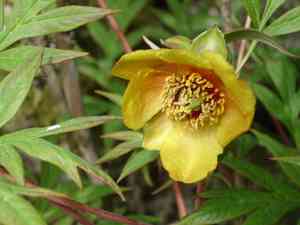
Celebrated for its substantial, vibrant flowers and lignified stalks, delavay's tree peony flourishes with meticulous trimming. In late winter or early spring, shorten the prior year's growths to robust buds to encourage development. Eliminate any deceased or frail wood and sculpt the plant, emphasizing its well-being over its appearance. Trimming fosters abundant blossoms and preserves an appealing structure. This practice can deter ailments by improving air movement within the foliage.
Advantages of Trimming Delavay's Tree Peony
Advantages of Trimming Delavay's Tree Peony
Trimming delavay's tree peony promotes robust development and maintains its desired form. Strategic cuts encourage revitalization, improve air circulation, and boost sun exposure, vital for peak health and bloom quality. Regular trimming also deters pest infestations and diseases.
Optimal Time for Trimming Delavay's Tree Peony
Optimal Time for Trimming Delavay's Tree Peony
Late winter and early spring are considered the best times to trim delavay's tree peony as these seasons occur just before the onset of the rapid growth phase, allowing the plant to heal quickly and direct its energy to new growths. Trimming during late winter, when the plant is still dormant, minimizes the risk of disease infection and reduces stress on delavay's tree peony. In early spring, as the plant begins to break dormancy, it can readily recover from trimming and utilize the spring growth spurt to develop strong new shoots. Trimming during these seasons also prevents the removal of buds which would result in loss of flowers, as delavay's tree peony blooms on old wood from the previous year's growth.
Required Tools for Trimming Delavay's Tree Peony
Bypass Pruners
These pruners operate like scissors, with two blades 'bypassing' each other to create clean cuts. They are perfect for cutting soft stems and precise trimming on delavay's tree peony, ensuring minimal harm to the plant's delicate tissues.
Loppers
Lopper shears feature long handles that provide leverage to easily cut through thicker branches. Since delavay's tree peony can have woody stems, loppers are suitable for cutting stems that are too thick for bypass pruners but not thick enough to require a saw.
Pruning Saw
For the oldest and thickest stems of delavay's tree peony, a pruning saw is essential. The saw allows for the removal of mature wood without damaging the rest of the plant, fostering healthy growth and airflow.
Pruning Gloves
To shield the gardener's hands from thorns and rough branches of delavay's tree peony, durable gloves should be worn during the trimming process.
Sharpener
Maintaining the sharpness of the trimming tools is crucial for clean cuts which help prevent disease and promote faster healing for delavay's tree peony. A sharpener should be used regularly to keep the blades in optimal condition.
Disinfectant
To minimize the risk of spreading diseases between plants, tools should be disinfected before and after trimming delavay's tree peony. A simple solution can be used such as alcohol or household bleach.
How to Trim Delavay's Tree Peony
Clean Tools
Before beginning the trimming process, sterilize pruning shears with a solution of 1 part bleach to 9 parts water to prevent the spread of any diseases to delavay's tree peony.
Remove Diseased Leaves
Carefully inspect delavay's tree peony and trim off any diseased leaves using the sterilized shears, cutting back to the base of the leaf stem to encourage healthy growth and prevent infection spread.
Remove Withered Leaves
Identify withered or old leaves on delavay's tree peony that are no longer vibrant or productive. Gently remove them by cutting at the base of the leaf stem, taking care not to damage new buds or shoots.
Shape Plant
Lightly thin out denser areas of foliage on delavay's tree peony to ensure good air circulation. This step is crucial for preventing fungal diseases. Choose non-vigorous, crowded, or crossing branches to prune.
Dispose Trimmed Material
Properly dispose of all removed plant material away from delavay's tree peony, preferably by burning or bagging to minimize the risk of disease transmission to other plants.
Common Trimming Errors with Delavay's Tree Peony
Over-Pruning
Removing too much of delavay's tree peony's wood can weaken the plant and reduce its ability to flower the following season. A common error is cutting off more than a third of the living tissue, which can be detrimental.
Incorrect Cuts
Making cuts in the wrong place or leaving too much of a stub can lead to disease and decay. It is important to cut just above a healthy bud, without damaging it.
Pruning To Shape
Some gardeners attempt to prune delavay's tree peony for shaping purposes like other ornamental shrubs, but this species does not tolerate heavy shaping well and should be left to grow more naturally.
Neglecting Sanitation
Failing to use clean, sterilized tools can spread pests and diseases between plants. Always sanitize tools before making any cuts on delavay's tree peony.
Pruning During Growth
Pruning while delavay's tree peony is actively growing can stress the plant and limit its ability to produce flowers, as it redirects energy to healing cuts instead of growth.
Common Trimming Tips for Delavay's Tree Peony
Selective Pruning
Carefully choose which branches to prune, focusing on dead, diseased, or broken wood, and spindly growth that does not contribute to the overall health of delavay's tree peony.
Minimalist Approach
Take a minimalist approach when pruning, since delavay's tree peony responds best to light pruning. Aim to cut away just what is necessary to maintain plant health and vigor.
Cut Angle
Make clean, angled cuts to shed water away from the bud, which helps prevent rot and disease. The angle should direct water away from the center of the plant when possible.
Prune For Airflow
Thin out the center of the plant to improve air circulation, which discourages fungal infections and promotes overall health in delavay's tree peony.
Tool Choice
Use sharp, appropriate tools for pruningâbypass pruners for smaller branches, and loppers or a pruning saw for larger woodâto make precise cuts that will heal quickly.



