Enhancing Your Garden Design with the Delavay's tree peony Plant: A Landscaping Guide
1
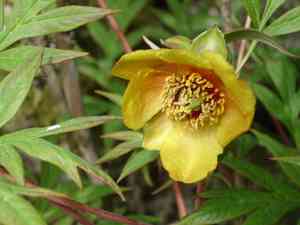
Delavay's tree peony is notable for its distinctive appearance and graceful blooms.
2
Appropriate positioning of Delavay's tree peony guarantees its flourishing and contributes charm to your outdoor space.
3
Strategic plant pairings can improve the development and visual appeal of Delavay's tree peony.
Introducing Delavay's Tree Peony in Garden Design
Distinctive features of Delavay's tree peony that enhance garden aesthetics.
A standout characteristic of Delavay's tree peony is its magnificent, large blossoms, spanning hues from deep crimson to vivid violet. This spectrum of flower colors can serve as a central point in any garden, capturing attention and adding a brilliant burst of color. Furthermore, Delavay's tree peony boasts a sturdy structure with rich, green foliage that remains appealing even when not in bloom. This perennial's capacity to flourish in diverse climates and its moderate size make it perfect for both compact and expansive garden areas.
Grasping the visual impact of Delavay's tree peony within garden settings.
The visual impact of Delavay's tree peony in garden spaces is profound due to its stature and bloom size, which naturally creates a focal point in landscape designs. The seemingly delicate yet resilient flowers of Delavay's tree peony offer a beautiful contrast against other plants, adding depth and dimension to the garden. Moreover, its lush green leaves provide an ideal backdrop for the blossoms, intensifying their vibrant shades. By strategically placing Delavay's tree peony in your garden, you can achieve a balanced look that highlights its beauty throughout the growing season.
Selecting the Optimal Site for Delavay's Tree Peony
Evaluating sun exposure for peak growth of Delavay's tree peony.
To ensure Delavay's tree peony thrives, it's essential to select a location that receives ample sunlight. Ideally, Delavay's tree peony should be planted in a spot that gets at least six hours of direct sun daily. This will encourage robust growth and abundant flowering. However, in extremely hot regions, providing some afternoon shade can prevent the flowers from scorching. Assessing your garden space for the best balance of sun and shade will help Delavay's tree peony flourish.
Considerations for soil type and drainage near Delavay's tree peony.
Soil quality is another crucial factor for the successful cultivation of Delavay's tree peony. This plant prefers well-drained, loamy soil enriched with organic matter. Good drainage prevents root rot and other moisture-related problems. If your garden soil is heavy clay or sandy, amend it with compost or peat moss to improve its structure and fertility. Regular soil testing can help you maintain the correct pH level, typically around 6.5 to 7.0, which is ideal for Delavay's tree peony.
Designing Your Garden with Delavay's Tree Peony
Integrating Delavay's tree peony into your garden's theme.
Integrating Delavay's tree peony into your garden's theme begins with understanding the overall aesthetic you wish to achieve. For a formal garden, use Delavay's tree peony as a centerpiece in symmetrical arrangements or borders. For a cottage garden feel, blend Delavay's tree peony with other perennials in a more naturalistic layout. This plant's adaptability means it can complement various styles, from traditional to contemporary, ensuring it fits seamlessly into your garden design.
Color coordination and bloom schedules for continuous appeal.
To achieve year-round appeal with Delavay's tree peony, coordinate its colors with other plants that have different flowering times. For instance, pair Delavay's tree peony with early-blooming bulbs like tulips in spring and late-season perennials like asters for autumn color. This strategy ensures your garden remains vibrant throughout the year. Understanding the bloom timing of Delavay's tree peony, which typically occurs in late spring to early summer, aids in planning the garden to maximize visual impact.
Companion Planting with Delavay's Tree Peony
Choosing companion plants that complement Delavay's tree peony.
Selecting appropriate companion plants for Delavay's tree peony involves choosing species that enhance its beauty and thrive in similar conditions. Suitable companions include plants with contrasting foliage, such as hostas or ferns, which add texture. Flowering plants like irises or daylilies can complement Delavay's tree peony's bloom colors, creating a harmonious palette. Additionally, companion plants should have similar sunlight and water requirements to ensure all plants coexist healthily.
Avoiding common planting errors with Delavay's tree peony.
Avoiding common planting errors with Delavay's tree peony ensures its health and longevity. A frequent mistake is overcrowding, which can lead to poor air circulation and increased susceptibility to diseases. Ensure ample spacing around Delavay's tree peony for growth and airflow. Another error is improper watering; Delavay's tree peony prefers consistent moisture but should not be waterlogged. Mulching can help retain soil moisture without overwatering. Finally, avoid planting Delavay's tree peony in overly shaded areas, as insufficient light can hinder its growth and reduce blooming.
Caring for Delavay's Tree Peony in Your Garden
Seasonal care guidelines for Delavay's tree peony.
Seasonal care for Delavay's tree peony involves specific tasks throughout the gardening year. In spring, apply a balanced fertilizer to support new growth and flowering. During summer, maintain a consistent watering schedule, especially during dry periods. In autumn, trim back any dead foliage and add a layer of mulch to protect roots from winter cold. Regular maintenance, including deadheading spent flowers, encourages more blooms and keeps Delavay's tree peony looking neat.
Addressing typical challenges faced by gardeners cultivating Delavay's tree peony.
Typical challenges in growing Delavay's tree peony include managing pests like aphids and fungal diseases such as powdery mildew. Regular inspections and prompt intervention with suitable treatments can prevent infestations and infections. Providing good air circulation and avoiding overhead watering can reduce disease risks. Additionally, keeping the garden area around Delavay's tree peony free of weeds and debris lessens habitat for pests. By understanding and tackling these challenges, you can ensure the health and beauty of Delavay's tree peony in your garden.



