How to Transplant Prairie groundsel?
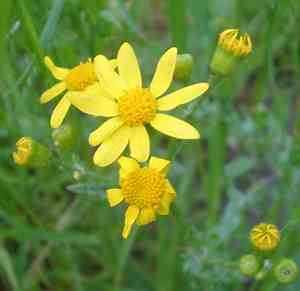
For prairie groundsel, the period when the weather hints at higher temperatures, generally from the resurgence of late spring into the early summer's youthful energy, is perfect. Select a bright location with effective drainage, and think about improving the soil before transplanting prairie groundsel to its new site. Maintain a welcoming atmosphere, rely on nature's robustness, and prairie groundsel will thrive in its newly selected surroundings.
Essential Preparations Before Relocating Prairie Groundsel
When is the Best Time to Move Prairie Groundsel?
The perfect time to move prairie groundsel is during the gentle shift from spring to summer. This period offers mild weather, aiding root development without intense heat stress. Transplanting prairie groundsel in this favorable season promotes strong growth and resilience, ensuring it flourishes in its new spot. Thoroughly preparing the soil beforehand, making sure it's fertile and drains well, sets the stage for a successful move. By choosing this window, you give prairie groundsel the best start in its new home, promising lush foliage and vibrant health.
What Spacing is Recommended Between Prairie Groundsel Plants?
Allow your prairie groundsels ample room to thrive! Aim for a spacing of approximately 12-18 inches (30-46 cm) between them. This ensures they have sufficient space to reach their full potential without becoming overcrowded.
What is the Optimal Soil Blend for Transplanting Prairie Groundsel?
To create an ideal environment for your prairie groundsel, prepare a soil mixture that drains well and is rich in organic matter. Incorporating a bit of compost into the soil will provide an excellent start! Regarding fertilizer, a balanced, slow-release type applied according to package instructions will yield great results.
Where Should You Replant Your Prairie Groundsel?
Your prairie groundsel will thrive in a location that receives full to partial sunlight. Select a spot that gets at least 6 hours of direct sunlight daily for optimal growth and well-being of your transplanted plants.
Equipment Needed Before Transplanting Prairie Groundsel
Gardening Gloves
To safeguard your hands while handling soil and plants.
Shovel or Spade
For digging around and lifting the plant during the relocation process.
Hand Trowel
To create a hole in the ground to accommodate the plant.
Watering Can or Hose
To hydrate the plant before and after the transplanting procedure.
Pruning Shears
To trim any damaged roots or foliage if necessary.
Wheelbarrow or Garden Cart
For moving the plant and soil, especially if the plant is large.
Measuring Tape
To assist in correctly spacing the plants during planting.
How to Extract Prairie Groundsel from the Soil?
How to Extract Prairie Groundsel from the Soil?
From Ground: Hydrate the prairie groundsel plant to moisten the surrounding soil. Use a shovel or spade to dig a wide circle around the plant, taking care not to harm the root system. Gently work the shovel beneath the root ball to lift and separate the plant from its original position.From Pot: Thoroughly water the prairie groundsel to facilitate the removal of the root ball from the pot. Tilt the pot on its side and gently tap it to help loosen the plant. Support the plant by its base and carefully guide it out of the pot.From Seedling Tray: Water the seedling tray to dampen the soil, making it easier to extract the prairie groundsel seedlings. Use a hand trowel or similar tool to carefully lift each seedling from its section without damaging the delicate root system.
Step-by-Step Guide for Relocating Prairie Groundsel
Plant Health Assessment
Inspect the prairie groundsel for any indications of disease or stress and address these issues prior to transplanting.
Removal Preparation
Prepare the prairie groundsel for extraction by watering and employing the appropriate method based on its current location.
Digging the New Hole
Use the hand trowel to excavate a hole in the ground that is twice as wide and as deep as the prairie groundsel's root ball.
Placement
Gently position the prairie groundsel into the new hole, ensuring the top of the root ball is level with the surrounding ground.
Soil Backfill
Fill around the plant with soil, gently patting it down to eliminate air pockets without overly compacting the soil.
Initial Watering
Thoroughly water the prairie groundsel after planting to moisten the roots and help the soil settle.
Staking (if necessary)
If the prairie groundsel is tall or top-heavy, use a stake and soft garden ties to support the plant until it is established.
Post-Transplant Care for Prairie Groundsel
Monitoring
Observe the prairie groundsel for signs of stress and adjust care as needed.
Second Watering
Water again a few days after transplanting if the soil begins to dry out.
Mulching
Apply a layer of mulch around the base of the prairie groundsel to help retain moisture and suppress weeds.
Protection
Shield the newly transplanted prairie groundsel from harsh weather, such as strong winds or intense sun, until it is well established.
Addressing Common Issues During Prairie Groundsel Transplantation.
What's the ideal time to transplant prairie groundsel for robust growth?
The best time to move prairie groundsel is late spring through early summer, when mild temperatures support root establishment.
How much space does prairie groundsel need when transplanted?
Space prairie groundsel 12-18 inches (30-46 cm) apart for adequate airflow and growth potential.
What soil conditions are best for prairie groundsel after transplanting?
Well-draining soil rich in organic matter is optimal for prairie groundsel post-transplant.
How deep should I plant prairie groundsel when transplanting?
Plant prairie groundsel at the same depth it grew in its original container, to prevent stem rot.
Is watering prairie groundsel immediately after transplanting essential?
Yes, thoroughly water prairie groundsel post-transplant to settle the soil and minimize transplant shock.
Can prairie groundsel handle full sun right after transplanting?
Initially provide prairie groundsel with partial shade, then gradually introduce it to full sun for acclimation.
What signs of transplant shock should I look for in prairie groundsel?
Wilting, yellowing, or dropping leaves indicate transplant shock in prairie groundsel. Ensure consistent moisture and shade.
How often should I water prairie groundsel after transplantation?
Keep the soil around prairie groundsel consistently moist, but not waterlogged, especially during the initial weeks.
Should I fertilize prairie groundsel immediately after transplanting?
Delay fertilization until prairie groundsel shows stable growth to prevent root burn.
How do I protect transplanted prairie groundsel from pests?
Regularly inspect prairie groundsel for pests and use appropriate organic or chemical treatments as needed.



