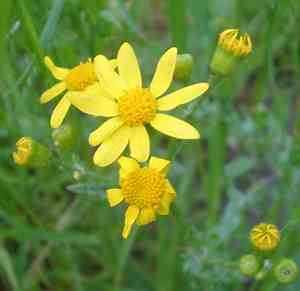
Prairie groundsel (Packera plattensis)
Also known as: Prairie Groundsel, Prairie Ragwort
The wildflower you're referring to is the Black-eyed Susan (Rudbeckia hirta). Native to the central North American prairies, this hardy plant thrives in dry conditions and prefers well-drained soils. It produces vibrant yellow, daisy-like flowers from spring through summer.
In This Article
Attributes of Prairie groundsel
Lifespan
Biennial, Perennial
Plant Type
Herb
Plant Height
61 cm
Spread
30 cm
Leaf Color
Green
Flower Size
1.8 cm to 2.5 cm
Flower Color
Yellow Orange
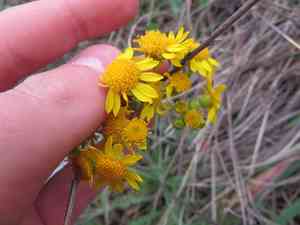
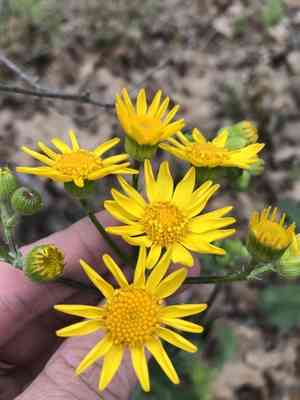
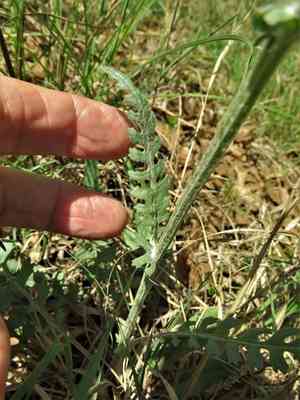
Images of Prairie groundsel
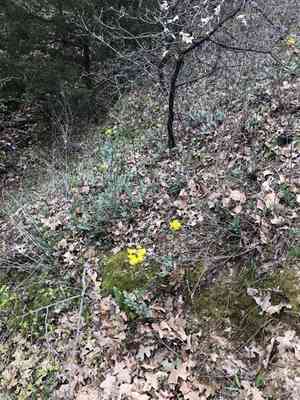
Quickly Identify Prairie groundsel
1
To identify Packera plattensis, look for its bright yellow, daisy-like flower heads and its deeply lobed, basal leaves. The stems can be slightly hairy, and the plant often grows in clumps.
Scientific Classification of Prairie groundsel
Phylum
Vascular plants
Class
Dicotyledons
Order
Asterales
Family
Daisy
Genus
Packera
Species
Prairie groundsel
Planting and Growing of Prairie groundsel
Care Difficulty
Easy
Watering Schedule
Every 2 days
Sunlight Requirements
Full sun
Sunshine Duration
4-8 hours
Ideal Temperature
60-75℉
Soil Type
Potting Mix, Peat Mix
Soil pH
6.5-7.5
Fertilizer Type
Balanced
Pruning Season
Spring, Summer
Pruning Area
Branches, Leaves
Pruning Frequency
Once a year
Repotting Season
Spring
Pot Type
Plastic, Ceramic
 How to Water Prairie groundsel?
For Packera plattensis, water deeply but less frequently. Ensure the top 1-2 inches of soil are dry before watering again. Aim for about 250 ml per watering, enough to moisten the root zone without making the soil soggy.
What are the symptoms of an underwatered Prairie groundsel?
›
What should I do if my Prairie groundsel is not getting enough water?
›
What are the symptoms of an overwatered Prairie groundsel?
›
How to save an overwatered Prairie groundsel?
›
 What Are the Sunlight Requirements for Prairie groundsel?
Partial to full sunlight ensures robust growth. Access to ample sunlight enhances photosynthesis, promoting vibrant foliage, flowering, and resilience to environmental stressors, supporting Packera plattensis’s overall vitality.
More About Sunlight Requirements Techniques→
What is the best location for Packera plattensis?
›
How can I ensure my Packera plattensis gets enough light indoors?
›
What are the benefits of optimal light conditions for Packera plattensis?
›
 What Is the Ideal Temperature Range for Prairie groundsel?
Packera plattensis thrives best in a temperature range between 60°F and 75°F. These conditions ensure optimal growth and physiological functions, providing an environment close to its native habitat conditions. These temperatures allow for adequate transpiration and nutrient absorption, essential processes for its health and vibrancy.
 What Soil is Best for Prairie groundsel?
Packera plattensis thrives in well-drained soil, as it prevents waterlogging that could otherwise damage the roots. This feature supports healthy root growth and ensures the plant remains vigorous and less susceptible to root rot. The plant prefers moderate soil fertility to support its nutrient needs without promoting excessive vegetative growth that can weaken its structure. This balance helps in maintaining a robust and sustainable plant development. Maintaining moist but not overly wet soil conditions ensures that Packera plattensis gets enough water for growth but avoids the adverse effects of standing water, which can promote root diseases.
 How to Fertilize Prairie groundsel?
For Packera plattensis, it's essential to fertilize moderately to ensure optimal growth. For liquid fertilizer, use a half-strength balanced formula. A typical mixture should be diluted to a quarter of the recommended strength, to be applied every two weeks during the growing season to avoid over-fertilization.
 How to Prune Prairie groundsel?
Begin by removing faded or dead flowers to prevent the plant from investing energy in seed production. This will also encourage blooming and maintain a tidy appearance. Cut back any leggy or overgrown stems carefully. Trim these stems to a lateral branch or leaf node to promote a bushier growth habit. Identify and remove any stems that appear diseased or damaged. This helps prevent the spread of diseases and allows the plant to focus its energy on healthy growth.
More About Pruning Techniques→
 How to Propagate Prairie groundsel plant?
1
Start by preparing well-draining soil enriched with compost. This provides the necessary nutrients and ideal conditions for Packera plattensis to establish successfully.
2
Scatter the seeds over the prepared soil surface and lightly cover them with a thin layer of soil. Keep the soil consistently moist but not waterlogged to encourage germination.
3
Carefully lift an established plant and gently separate the roots into smaller sections, ensuring each has a healthy root system and foliage. Plant these divisions at the same depth they were growing.
 How to Repot Prairie groundsel plant?
1
Observe for signs like roots growing out of drainage holes or soil compacting too quickly, indicating the plant's space is limited. Spring or early summer is ideal for repotting Packera plattensis, as the plant is in active growth, aiding recovery and establishment in new soil.
2
Opt for a pot 1-2 inches larger in diameter than the current one to allow room for growth. Ensure it has adequate drainage holes to prevent water-logging, reducing root rot risk while maintaining the plant's health.
3
Select well-draining sandy loam to mimic its natural environment. This will help prevent water stagnation and promote healthy root development, while also supplying necessary nutrients and suitable aeration.
Toxicity
ingestion
WARNING
The judgment on toxicity and danger is for reference only. We DO NOT GUARANTEE any accuracy of such judgment. Therefore, you SHALL NOT rely on such judgment. It is IMPORTANT TO SEEK PROFESSIONAL ADVICE in advance when necessary.
Learn More About Prairie groundsel Diseases
Anthracnose
Bacterial Leaf Spot
Bacterial Wilt
Crown Gall
Cyst Nematode
Damping-off
Downy Mildew
Drought Stress
Fusarium Wilt
Gray Mold
Leaf Spot
Mosaic
Nutrient Deficiency
Nutrient Toxicity
Powdery Mildew
Root Rot
Root-knot Nematode
Rusts
Sooty Mold
Spider Mites
Temperature Stress
Thrips Damage
White Mold



