How to Prune Prairie groundsel?
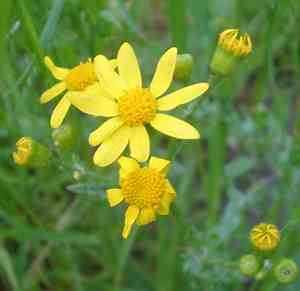
Prairie groundsel, a perennial featuring unique yellow blossoms, flourishes with limited trimming to sculpt its form, foster a denser habit, and eliminate faded flowers. The ideal period for pruning is after blooming in summer or early autumn to hinder seed distribution; spring reductions invigorate new development. Meticulous deadheading encourages subsequent flowering and deters undesirable proliferation. Trimming benefits prairie groundsel by stimulating more robust, healthier specimens and preserving an appealing look.
What Are the Benefits of Pruning Prairie Groundsel?
What Are the Benefits of Pruning Prairie Groundsel?
Trimming prairie groundsel promotes robust development and helps maintain its desired form. It stimulates new growth, resulting in a fuller, healthier plant that thrives in its environment.
What Is the Best Time for Pruning Prairie Groundsel?
What Is the Best Time for Pruning Prairie Groundsel?
In Spring, prairie groundsel should be trimmed to remove any damaged or winter-worn foliage, which will encourage healthy new growth. Late Summer trimming is beneficial to reshape or control the size of prairie groundsel, ensuring it doesn't overshadow other plants. Meanwhile, Fall trimming focuses on removing old flowers and seed heads, thus tidying up the plant and potentially reducing unwanted self-seeding. These seasons are optimal because they align with prairie groundsel's dormancy and growth cycles, preventing undue stress and resource depletion during active growing phases, while also ensuring the health and vigor of the plant for the following year.
What Tools Do I Need to Prune Prairie Groundsel?
Bypass Pruners
Perfect for making precise cuts on prairie groundsel's green, living stems without causing unnecessary harm to the plant tissue, ensuring healthy regrowth.
Gardening Gloves
Essential to protect hands from any potential irritants in prairie groundsel's sap and to ensure a secure grip on the pruning tool.
Handheld Shears
Useful for shaping prairie groundsel and for cutting back multiple stems at once, which is efficient for managing the plant's clumping growth habit.
How to Prune Prairie Groundsel
Clean tools
Before starting, sanitize pruning shears or scissors with a solution of one part bleach to nine parts water to prevent the spread of disease to prairie groundsel.
Remove diseased leaves
Carefully inspect prairie groundsel and remove any diseased leaves by cutting the leaf stem close to the base, ensuring not to damage the healthy tissue.
Eliminate dead material
Trim away any withered leaves or dead branches by cutting back to a healthy point, making sure cuts are clean and at an angle to encourage water runoff and prevent disease.
Cut diseased branches
Identify and remove diseased branches, cutting well into the healthy tissue to eliminate all traces of disease from prairie groundsel, and dispose of them properly.
Common Pruning Mistakes with Prairie Groundsel
Ignoring Plant Structure
Failing to consider the natural growth habit of prairie groundsel when pruning can result in an undesirable shape and impair the plant's vitality.
Over-Pruning
Removing too much foliage or too many stems at once can stress prairie groundsel and lead to a weak plant that is more susceptible to pests and diseases.
Tearing Stems
Using dull or improper tools can cause jagged cuts that may lead to disease or pest infestation in prairie groundsel.
Not Sanitizing Tools
Pruning with unsanitized tools can spread disease between plants and affect the overall health of prairie groundsel.
Pruning Healthy Growth
Unnecessarily cutting away healthy stems or leaves can reduce the plant's capacity to photosynthesize and create energy.
Common Pruning Tips for Prairie Groundsel
Selective Thinning
Remove only the necessary stems to improve air circulation and light penetration, which will enhance the health and flowering of prairie groundsel.
Sharp Tools
Always use clean, sharp pruning shears to make clean cuts that prairie groundsel can heal from more efficiently.
Cutting Angle
Make cuts at a 45-degree angle just above a leaf node or bud to encourage prairie groundsel to grow in a desirable direction and prevent water accumulation.
Post-Blooming Cleanup
Deadhead spent flowers to promote further blooming throughout the season and to maintain prairie groundsel's appearance.
Disease Management
Cut away any diseased or dead material promptly to prevent the spread of disease in prairie groundsel, and dispose of the infected material properly.



