How to Transplant Marlborough rock daisy?
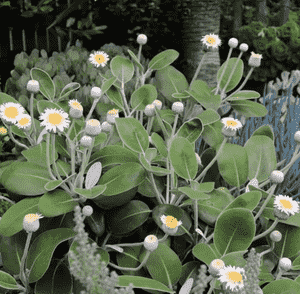
The optimal period for relocating marlborough rock daisy is from the cool beginning to the warm conclusion of spring, which aids in root development. Select a bright, adequately drained location that resembles its natural seaside environments, and carefully manage its sturdy root system to facilitate successful adaptation.
What Preparations are Needed Before Transplanting Marlborough Rock Daisy?
What is the Ideal Time for Transplanting Marlborough Rock Daisy?
The most favorable time for moving marlborough rock daisy is during its prime growth period, from early spring to just before summer. This timing leverages mild weather, which promotes strong root development, ensuring marlborough rock daisy thrives in its new spot. Relocating during this gentle season minimizes stress and maximizes the plant's potential for vigorous growth, setting the stage for a beautiful display that will impress any garden enthusiast.
How Much Space Should You Leave Between Marlborough Rock Daisy Plants?
When relocating your marlborough rock daisy, you'll want to provide ample room for them to flourish. Aim for a spacing of approximately 24-36 inches (60-90 cm) between plants. This will allow their attractive foliage sufficient space to spread and thrive without becoming overcrowded.
What is the Best Soil Mix for Marlborough Rock Daisy Transplanting?
Your marlborough rock daisy will perform best in soil that drains well. Before planting, enrich the soil with a balanced, slow-release fertilizer to give your marlborough rock daisy an excellent start. A mix suitable for rock gardens often works well, providing the drainage these plants prefer.
Where Should You Relocate Your Marlborough Rock Daisy?
Choose a sunny location for your marlborough rock daisy as they love sunlight! Ensure the spot receives at least 6 to 8 hours of direct sun daily. Partial shade is acceptable, but full sun will encourage the best growth and blooms from your marlborough rock daisy.
What Equipments Should You Prepare Before Transplantation Marlborough Rock Daisy?
Shovel or Spade
For digging and moving the marlborough rock daisy.
Gardening Gloves
To safeguard your hands while handling soil and the plant.
Watering Can or Hose
To hydrate the plant before and after its relocation.
Measuring Tape
To determine the correct distance between plants during transplantation.
Wheelbarrow or Plant Trolley
To move the marlborough rock daisy from one place to another.
Pruning Shears
To trim any damaged roots or leaves.
Mulch
To help retain soil moisture and regulate temperature around the marlborough rock daisy.
Support Stakes or Plant Ties
To stabilize the marlborough rock daisy if needed post-transplant.
How Do You Remove Marlborough Rock Daisy from the Soil?
How Do You Remove Marlborough Rock Daisy from the Soil?
From Ground: Start by watering the marlborough rock daisy to moisten the soil, making extraction easier. Use a shovel or spade to dig a trench around the plant, being careful not to harm the root ball. Slide the shovel under the root ball to gently lift and remove the marlborough rock daisy from the ground.From Pot: Water the marlborough rock daisy thoroughly beforehand. Turn the pot on its side, hold the plant at its base, and gently tap the bottom to help loosen it. Slowly slide the marlborough rock daisy out of the pot, ensuring the root ball remains intact.From Seedling Tray: Water the seedlings to dampen the soil. Use a small tool or your fingers to carefully lift the marlborough rock daisy seedling from the tray, supporting the root ball to prevent damage.
Step-by-Step Guide for Transplanting Marlborough Rock Daisy
Preparing the New Site
Dig a hole in the ground that is twice the width of the marlborough rock daisy's root ball and of the same depth to allow for good root expansion.
Root Inspection
Before planting, examine the marlborough rock daisy's roots. Trim any broken or damaged roots using pruning shears.
Placing the Plant
Carefully position the marlborough rock daisy in the prepared hole, ensuring it is upright and at the same depth it was growing previously.
Filling the Hole
Gently backfill the hole with soil around the marlborough rock daisy's root ball, lightly compacting the soil to remove air pockets.
Watering after Transplanting
Water the marlborough rock daisy thoroughly after planting to help settle the soil and provide moisture for the roots.
Staking if Needed
If the marlborough rock daisy is tall or exposed to wind, use stakes and plant ties to provide support until it becomes established.
Applying Mulch
Spread a layer of mulch around the base of the marlborough rock daisy to maintain moisture and regulate soil temperature.
How Do You Care For Marlborough Rock Daisy After Transplanting?
Monitoring
Regularly check the marlborough rock daisy for signs of stress, such as wilting or discolored leaves, and address any issues promptly.
Watering
Ensure the soil around the marlborough rock daisy remains consistently moist, watering when necessary, especially during dry periods.
Support Adjustment
Adjust any stakes or ties as the marlborough rock daisy grows to prevent constriction and support continued development.
Pruning
Prune away any dead or damaged foliage to encourage healthy new growth on the marlborough rock daisy.
Mulch Refreshment
Replenish mulch around the marlborough rock daisy as needed to maintain a consistent layer for optimal protection.
Troubleshooting Common Issues with Marlborough Rock Daisy Transplantation.
What is the best time of year to transplant marlborough rock daisy?
The ideal period is during the mild warmth of early to late spring, offering perfect conditions for root establishment.
How far apart should marlborough rock daisy be planted for healthy growth?
Space plants approximately 24-36 inches (60-90 cm) apart, allowing room for development and air circulation.
Why is my marlborough rock daisy wilting after transplanting?
Wilting may be due to transplant shock. Ensure adequate watering, avoid direct sunlight, and shield from strong winds until established.
Can I transplant marlborough rock daisy on a hot summer day?
Moving marlborough rock daisy in high heat can stress the plant. Choose cooler days or wait until a milder season for optimal results.
What soil type is best for transplanting marlborough rock daisy?
A well-draining soil rich in organic matter is perfect to provide the necessary nutrients and moisture balance for marlborough rock daisy.
Should I water marlborough rock daisy immediately after transplanting?
Absolutely, watering helps to settle the soil and lessen transplant stress. Continue with regular watering to keep the soil moist.
How deep should the hole be for transplanting marlborough rock daisy?
Dig a hole twice as wide and just as deep as the root ball, ensuring marlborough rock daisy is planted at its original depth.
When transplanting marlborough rock daisy, should I trim the roots?
Trim only broken or excessively long roots; this will promote healthy growth without causing undue stress to marlborough rock daisy.
Can I fertilize marlborough rock daisy right after transplanting?
Wait several weeks before fertilizing to prevent root burn and allow marlborough rock daisy time to adapt to its new location.
How do I protect marlborough rock daisy after transplanting in unpredictable weather?
Use mulch to insulate the roots and consider temporary shading or shelter if extreme weather conditions are predicted.



