Enhancing Your Garden Design with the Marlborough rock daisy Plant: A Landscaping Guide
1
The Marlborough rock daisy brings a distinct texture and appeal to any garden environment.
2
This plant flourishes in soil that drains well and needs little upkeep.
3
Including the Marlborough rock daisy in a xeriscape design is a great method to establish a water-efficient landscape.
Introducing Marlborough Rock Daisy in Garden Design
Understanding the distinctive visual appeal of Marlborough rock daisy
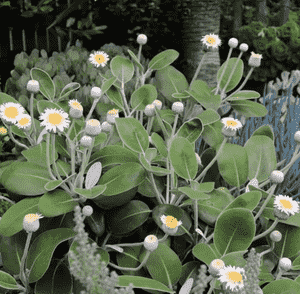
Marlborough rock daisy offers a unique appearance that can enhance any outdoor area. With its rich foliage and appealing flowers, it brings a touch of wildness to cultivated spaces. The plant's leaves are often tough and grey-green, beautifully contrasted by its bright white blossoms. This combination makes Marlborough rock daisy a striking garden addition, providing visual interest throughout the year. It also possesses a natural, rugged charm that complements rockeries and native plant collections, helping to create a landscape that feels both untamed and thoughtfully arranged.
The function of Marlborough rock daisy in contemporary garden layouts
In modern garden planning, Marlborough rock daisy can serve as a focal point or an accent plant. Its adaptability and hardiness make it a favorite among current gardeners aiming for sustainable, low-maintenance gardens. By including Marlborough rock daisy, designers can add texture and color without constant upkeep. Its distinct shape and robust nature also allow it to pair well with hardscaping elements like stone pathways, water features, and minimalist garden structures. The plant's capacity to thrive in diverse soil conditions and its minimal water needs further boost its appeal for environmentally conscious garden projects.
Integrating Marlborough Rock Daisy into Various Landscape Styles
Pairing Marlborough rock daisy with modern landscape components
Marlborough rock daisy fits perfectly within contemporary garden designs, which often prioritize simplicity, clean lines, and a limited plant selection. Combining Marlborough rock daisy with modern materials such as concrete, steel, and gravel can amplify a garden's sleek, minimalist look. Its rugged texture provides a beautiful contrast with smooth surfaces, adding depth and intrigue. When strategically placed along walkways or next to seating areas, Marlborough rock daisy can ground the space while offering a sense of continuity throughout the landscape.
Utilizing Marlborough rock daisy in traditional garden environments
While Marlborough rock daisy is a natural fit for modern designs, it also flourishes in traditional garden settings. Its timeless beauty makes it a complementary addition to cottage gardens, formal beds, and mixed borders. In these contexts, Marlborough rock daisy can offer a pleasing contrast to softer, more delicate plants. Surrounded by classic garden favorites like roses, lavender, and peonies, Marlborough rock daisy stands out with its bold foliage and striking flowers. To achieve a harmonious blend, position Marlborough rock daisy towards the back of flowerbeds or use it to frame garden paths and entrances.
Combining Marlborough rock daisy with water-wise gardening techniques
Incorporating Marlborough rock daisy into xeriscaping is an excellent method for creating a water-efficient landscape. Given Marlborough rock daisy's inherent drought tolerance and preference for well-drained soil, it pairs well with other xerophytic plants such as succulents, cacti, and ornamental grasses. This type of garden not only conserves water but also demands less effort. By designing a xeriscape featuring Marlborough rock daisy, you can achieve a beautiful, sustainable garden that thrives with minimal irrigation. Design elements like mulched soil, raised beds, and strategically placed rocks can further enhance the xeriscaping effect.
Practical Advice for Positioning Marlborough Rock Daisy in Your Garden
Choosing the ideal spot for Marlborough rock daisy
Selecting the correct location for Marlborough rock daisy is vital for its development and visual impact. Consider placing it in areas where it can be easily seen and appreciated, such as alongside paths or near seating zones. Marlborough rock daisy also works well as a central feature in rock gardens or as a border plant. Ensure the chosen site receives ample sunlight and has well-drained soil to support healthy growth. Avoid placing Marlborough rock daisy in waterlogged or shaded areas, as these conditions can impede its development.
Considering light exposure and soil requirements
Marlborough rock daisy thrives in full to partial sunlight and prefers well-drained, slightly acidic to neutral soil. When planting Marlborough rock daisy, enrich the soil with organic matter to improve drainage and nutrient content. Regularly check soil moisture levels, especially during the initial establishment period. Although Marlborough rock daisy is drought-tolerant once mature, it benefits from occasional watering during extended dry spells. Applying mulch around the plant's base can help retain soil moisture and suppress weeds, contributing to a healthier and more attractive garden.
Maintaining Marlborough Rock Daisy for Lasting Health and Beauty
Fundamental care guidelines for Marlborough rock daisy
Caring for Marlborough rock daisy is relatively simple, as the plant is known for its resilience and minimal maintenance needs. Regularly remove any dead or damaged leaves to keep the plant looking its best. Occasional trimming can help shape the plant and encourage denser growth. Fertilizing once a year with a balanced, slow-release fertilizer can provide essential nutrients, promoting robust growth and vibrant blooms. Additionally, monitoring for pests and diseases ensures Marlborough rock daisy remains healthy and thrives.
Seasonal care adjustments for optimal development
Adapting care routines based on seasonal changes can optimize Marlborough rock daisy's growth and health. During spring and summer, focus on watering, feeding, and pruning to support vigorous growth and flowering. In autumn, reduce watering and prepare the plant for dormancy by clearing fallen leaves and debris. Protecting Marlborough rock daisy from harsh winter conditions, such as frost, can prevent damage and ensure it remains healthy for the next growing season. Covering the soil with mulch before the first frost can also help insulate the plant's roots.
Showcasing Marlborough Rock Daisy: Creative Landscape Projects and Concepts
Inspiring real-world examples of Marlborough rock daisy in landscape design
One way to visualize the potential of Marlborough rock daisy in your garden is by examining actual examples. Many public gardens and private landscapes feature Marlborough rock daisy in innovative ways. For instance, in a coastal garden, Marlborough rock daisy might be used to stabilize slopes or create windbreaks. In urban settings, Marlborough rock daisy can be planted in rooftop gardens or as part of green walls. These examples highlight the plant's versatility and its capacity to enhance various landscape designs, from residential yards to public parks.
DIY project ideas featuring Marlborough rock daisy
For those who enjoy DIY projects, incorporating Marlborough rock daisy into your garden can be both rewarding and enjoyable. Consider creating a rock garden or a dry stream bed using Marlborough rock daisy as a central element. You can also design a container garden with Marlborough rock daisy and other compatible plants for a portable and adaptable gardening option. Building raised beds or garden borders using natural stone and integrating Marlborough rock daisy can create a cohesive, stunning garden aesthetic. These DIY projects not only beautify your garden but also offer a hands-on opportunity to connect with nature.



