How to Transplant Yam bean?
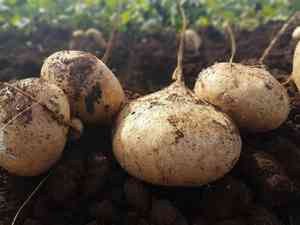
For yam bean, the ideal period for relocation is from early spring through mid-season, allowing for vigorous development. Select a bright spot with soil that drains effectively to guarantee health. A helpful suggestion: Ensure steady hydration to aid yam bean in becoming established.
What Preparations are Needed Before Transplanting Yam Bean?
What is the Ideal Time for Transplanting Yam Bean?
The perfect time for moving yam bean is as winter fades, typically when spring's arrival is clear. This timing allows yam bean to establish roots without the stress of cold ground. Relocating yam bean in this season of new beginnings means they will flourish in warmer soil, ensuring vigorous development. Embrace the beauty of this period to give your yam bean a strong start - your garden will be grateful!
How Much Space Should You Leave Between Yam Bean Plants?
When you're ready to transplant yam bean, aim to provide ample room for them to spread. Position each plant approximately 4-6 inches (10-15 cm) apart. Arrange your rows with 18-24 inches (45-60 cm) between them. This will allow your yam bean to grow and thrive effectively!
What is the Best Soil Mix for Yam Bean Transplanting?
For your yam bean, the perfect bed is one that drains well and is rich in organic material. Incorporate some aged compost or a balanced, slow-release fertilizer to prepare your soil. Aiming for a pH between 6.0 and 7.0 will create the optimal environment for your yam bean to root and flourish.
Where Should You Relocate Your Yam Bean?
Sunshine is beneficial for yam bean, so choose a location where the sun shines brightly! Aim for a spot that receives full sunlight, meaning at least 6-8 hours of direct, cheerful rays daily. This sunny position will help your yam bean grow robustly and yield a plentiful harvest.
What Equipments Should You Prepare Before Transplantation Yam Bean?
Gardening Gloves
To safeguard your hands while handling soil and plants.
Spade or Shovel
For excavating the yam bean plant and preparing the new planting site.
Garden Fork
To loosen the soil around the yam bean before transplanting, especially if it's compacted.
Hand Trowel
For more precise digging and moving smaller yam bean plants.
Watering Can or Hose
For hydrating the yam bean both prior to and following transplantation.
Pruning Shears
To trim any damaged roots or foliage before relocating.
Wheelbarrow or Garden Cart
To transport the yam bean and soil to and from the transplanting location.
Root Pruning Saw or Knife (if needed)
For cutting through larger, tougher roots during the transplant process.
How Do You Remove Yam Bean from the Soil?
How Do You Remove Yam Bean from the Soil?
From Ground: First, moisten the yam bean plant to soften the soil, making extraction easier. Then, use a garden fork to loosen the soil surrounding the plant. Dig a circle around the plant with a spade, ensuring you are far enough out to avoid damaging the root ball. Gently slide your spade beneath the root ball to lift the plant from the ground.From Pot: Begin by watering the yam bean, allowing the soil to become damp. Tilt the pot sideways and gently tap the bottom to dislodge the plant. Support the yam bean by its base and carefully ease it out of the pot. If it's resistant, you can run a knife along the inner edge of the pot to help free the roots.From Seedling Tray: Carefully water the seedlings. Use a hand trowel or a similar tool to gently lift the yam bean out of its compartment, ensuring you retrieve as much of the root system as possible.
Step-by-Step Guide for Transplanting Yam Bean
Prepare the New Site
Clear the area where the yam bean will be relocated. Use a spade to dig a hole that is twice as wide as the root ball and of the same depth as the root system.
Inspect the Plant
Examine the yam bean for any indications of stress or damage. Use pruning shears to remove any compromised or diseased parts of the plant. This will help the yam bean focus its energy on re-establishing its roots.
Position the yam bean
Place the yam bean in the center of the new hole. The top of the root ball should be level with the ground surface. Adjust the hole depth if necessary.
Fill the Hole
Backfill the hole with soil, gently pressing down around the root ball to eliminate air pockets. Ensure that the yam bean is stable and upright.
Water Thoroughly
Water the yam bean immediately after transplanting to help settle the soil and hydrate the roots. Make sure the water penetrates deep into the root zone.
How Do You Care For Yam Bean After Transplanting?
Mulching
Apply a layer of organic mulch around the base of the yam bean to help retain moisture, regulate soil temperature, and reduce weed competition.
Regular Monitoring
Check the yam bean regularly for signs of stress, such as wilting or discoloration. Address any issues promptly to ensure the yam bean's health and successful establishment.
Staking
If the yam bean is tall or top-heavy, secure it with a stake and loose ties to prevent it from leaning or being uprooted by winds until the roots take hold.
Pruning
Prune only what is necessary to remove any broken or damaged branches, helping the yam bean to conserve energy for root development.
Troubleshooting Common Issues with Yam Bean Transplantation.
What's the ideal timing for transplanting yam bean?
Relocate yam bean when spring has arrived, particularly from early to mid-spring, for optimal growth.
How do I prepare soil for transplanting yam bean?
Ensure well-draining soil, rich in organic matter. A pH of 6 to 7 is beneficial for yam bean.
How much space does yam bean need when transplanting?
Space yam bean seedlings 4-6 inches (10-15 cm) apart in rows that are 18-24 inches (45-60 cm) apart.
Why is my transplanted yam bean wilting?
Wilting could be due to transplant shock. Ensure proper watering and consider shading them for a few days.
What should I do if yam bean isn't thriving after transplant?
Verify sunlight exposure, water regularly without overwatering, and protect from strong winds and pests.
How deep should I plant yam bean tubers?
Plant yam bean tubers about 2-3 inches (5-7.5 cm) deep to encourage strong root development.
Can I transplant yam bean in containers?
Absolutely! Just ensure containers are large enough for growth and have drainage holes.
What watering routine is best post-yam bean transplant?
Keep the soil consistently moist but not waterlogged, especially during dry spells.
Should I fertilize yam bean after transplanting?
Wait a few weeks before fertilizing. Then use a balanced fertilizer to encourage healthy growth.
How to protect transplanted yam bean from pests?
Inspect regularly and use appropriate organic pest control methods if necessary.



