How to Propagate Yam bean?
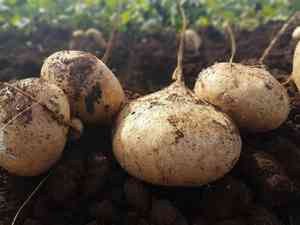
Jicama can be successfully multiplied by planting its seeds. For a robust specimen, choose rich, well-draining earth and embed the seeds at a depth corresponding to their dimensions. Sufficient hydration is crucial during the sprouting period; nevertheless, it's important to prevent excessive saturation, which could negatively impact growth. After the young plants have gained sufficient strength, they can be relocated to their permanent cultivation areas, making sure they have ample room for subsequent expansion.
Optimal Time for Yam Bean Propagation
Propagation Method
Seeding
Propagation Period
Spring
Tools for Yam Bean Propagation
Seeds
Seeds are fundamental for sowing, the primary method for yam bean propagation. Since yam bean reliably reproduces from seed, acquiring quality seeds is the initial critical step for effective propagation. Healthy seeds boast higher germination rates, ensuring a strong start to the propagation process.
Seed trays
Seed trays are useful for holding seeds and soil during the initial stages of germination. They allow for easy handling and movement, as well as efficient space utilization. Organizing seeds in trays helps maintain consistent conditions across all seeds, which is crucial for uniform development.
High-quality potting mix
A well-draining, nutrient-rich potting mix is essential for successful yam bean seed germination. The mix should also retain moisture without becoming waterlogged, thereby supporting seedling growth without causing root rot or fungal diseases.
Misting bottle
A misting bottle is necessary to gently water seedlings, preventing displacement of seeds or damage to young roots. It provides the required moisture for germination and early growth stages while avoiding excessive water that could lead to disease.
Grow lights (if indoor)
If sowing indoors, grow lights are recommended to provide the necessary light spectrum for yam bean growth. This is particularly beneficial for maintaining healthy growth rates and developing strong seedlings, especially in regions with insufficient natural sunlight.
Labels and markers
These tools are helpful for recording important details such as planting dates, seed types, or specific care requirements directly on the seed trays. Labels ensure that growing conditions can be optimized based on the needs of the particular yam bean variety or batch.
Heating mats
Heating mats can be used to maintain optimal soil temperature, significantly boosting the germination rate of yam bean. This is especially important in cooler climates or during colder months when ambient temperatures might be below what yam bean seeds need for germination.
How to Propagate Yam Bean?
Propagation Type
Simple
Caring for Your Newly Propagated Yam Bean
Caring for Your Newly Propagated Yam Bean
Once yam bean seeds have germinated and seedlings are established, maintain consistent soil moisture and ensure full sunlight exposure. Thin out crowded seedlings to prevent competition for nutrients. As the yam bean grows, continue to monitor soil moisture and manage pests and diseases. Apply a balanced fertilizer as needed to support healthy growth and tuber development. Harvest yam bean tubers when the foliage begins to yellow and die back, typically after the growing season. Store the tubers in a cool, dry place if not using them immediately.
Common Mistakes to Avoid When Propagating Yam Bean
Overwatering
Propagating yam bean demands careful attention to moisture levels. Excessive watering can lead to root rot, which is detrimental to the plant's health and can hinder root formation. This occurs because yam bean roots require both water and air to develop properly.
Ignoring pests
Gardeners might overlook the presence of pests during yam bean propagation. Pests can stress the plant and transmit diseases, which can compromise the propagation process.
Using poor quality cuttings
Selecting cuttings that are unhealthy or too old can result in poor or failed propagation. The cutting must be vigorous and disease-free to ensure successful growth of yam bean.
Neglecting soil requirements
Yam bean requires well-drained soil to thrive. Planting cuttings in soil that retains too much moisture or lacks proper nutrients can impede growth and overall propagation success.
Tips For Propagating Yam Bean
Properly prepare cuttings
Use clean, sharp tools to take cuttings from healthy yam bean plants. Ensuring a clean cut will reduce the risk of infections and improve the chances of successful rooting.
Manage moisture levels
Maintain the optimal moisture level for yam bean propagation. Soil should be moist but not soggy, as constant wetness can lead to root issues.
Ensure good air circulation
Good air circulation is vital during yam bean propagation to prevent the development of mold and mildew, which can negatively affect the plant's growth.
Pest control
Regularly inspect propagated yam bean for signs of pests and take immediate action if any are found. Prompt control will prevent the spread of pests and associated diseases.



