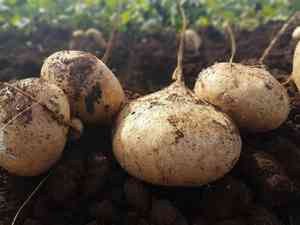
Yam bean (Pachyrhizus erosus)
Also known as: Turnip tree, Jicama
The jícama (Pachyrhizus erosus) is a climbing vine native to Mexico and Central South America, known for its edible, tuberous root. Archaeological discoveries in Peru have revealed its use dating back to 3000 BC. The root is versatile and can be consumed raw or cooked in various dishes such as soups and stir-fries. It's important to note that while the root is safe to eat, other parts of the plant, particularly the seeds, are toxic.
In This Article
Attributes of Yam bean
Lifespan
Perennial
Plant Type
Herb, Vine
Plant Height
30 cm to 61 cm
Spread
6 m to 8 m
Leaf Color
Green
Flower Size
15 cm to 30 cm
Flower Color
Purple
Images of Yam bean
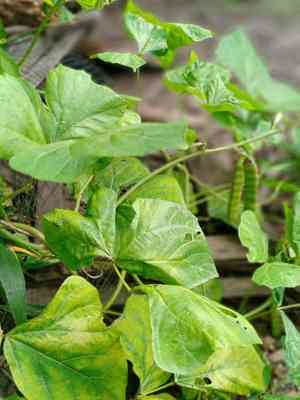
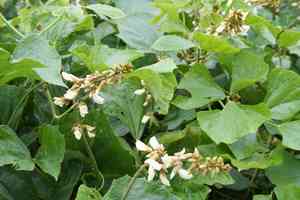
Quickly Identify Yam bean
1
Jicama can be identified by its tuberous root, which has a brownish skin and white flesh. The plant has trifoliate leaves and produces blue or white flowers. The edible root can be eaten raw or cooked.
Scientific Classification of Yam bean
Phylum
Vascular plants
Class
Dicotyledons
Order
Legumes, milkworts and allies
Family
Legume
Genus
Pachyrhizus
Species
Yam bean
Planting and Growing of Yam bean
Care Difficulty
Easy
Watering Schedule
Every 4 days
Sunlight Requirements
Full sun
Sunshine Duration
6-12 hours
Ideal Temperature
77-86℉
Soil Type
Potting Mix, Peat Mix
Soil pH
6.5-7.5
Fertilizer Type
Balanced
Pruning Season
Spring, Summer
Pruning Area
Branches, Leaves
Pruning Frequency
Once a year
Repotting Season
Spring
Pot Type
Plastic, Ceramic
 How to Water Yam bean?
Pachyrhizus erosus, commonly known as jicama, requires moderate watering. The soil should be kept consistently moist but not waterlogged. It is essential to water until the soil is evenly moist to a depth of about 10-15 cm, ensuring roots are adequately hydrated without drowning the plant.
What are the symptoms of an underwatered Yam bean?
›
What should I do if my Yam bean is not getting enough water?
›
What are the symptoms of an overwatered Yam bean?
›
How to save an overwatered Yam bean?
›
 What Are the Sunlight Requirements for Yam bean?
Pachyrhizus erosus thrives best under full to partial sunlight conditions, which contribute to its robust growth and resilience. Ideal lighting facilitates healthy development and increases its yields.
More About Sunlight Requirements Techniques→
How to achieve ideal lighting?
›
What are practical steps for ideal light?
›
What benefits come from ideal light?
›
 What Is the Ideal Temperature Range for Yam bean?
The ideal temperature range for Pachyrhizus erosus lies between 77°F and 86°F. This temperature range supports optimal growth and development of the plant, facilitating proper photosynthesis and nutrient uptake. Maintaining this range ensures healthy leaf production and tuber formation.
 What Soil is Best for Yam bean?
Pachyrhizus erosus thrives in nutrient-rich soil. Such soil ensures the plant has access to essential nutrients for optimal growth, promoting healthy foliage and robust root development. Well-drained soil is crucial to prevent waterlogging, which can cause root rot in Pachyrhizus erosus. Good drainage aids air circulation around the roots, fostering a healthy root system. Incorporating moderate organic matter into the soil enhances its structure and fertility. This benefits Pachyrhizus erosus by providing a balanced supply of nutrients and improving moisture retention.
 How to Fertilize Yam bean?
For Pachyrhizus erosus, appropriate fertilizer quantities should align with its growth stages. During its active growth phase, apply a balanced liquid fertilizer at half strength, about 10-20 mL per liter of water when using a concentrated solution. Adjust accordingly if using different formulations. Avoid over-fertilizing which leads to salt buildup and damage.
 How to Prune Yam bean?
Start by using clean, sharp pruning shears to remove any dead or diseased leaves immediately. Next, focus on trimming back any overgrown vines to maintain a manageable size—try aiming for a tidy, organized appearance. Finally, selectively thin out crowded areas to allow for air and light penetration.
 How to Propagate Yam bean plant?
1
Start by selecting healthy seeds for propagation. Soak them in water for 24 hours to help with germination, which will soften the seed coat and encourage sprouting.
2
Plant the seeds in a seed tray filled with well-draining soil. Cover lightly with soil and water gently to avoid displacing seeds. Ensure the soil remains moist but not waterlogged.
3
For cutting propagation, choose a healthy section of the plant and cut a 4-6 inch stem just below a node using sterile scissors. Remove the leaves from the lower half of the stem.
 How to Repot Yam bean plant?
1
Look for signs like roots emerging from the drainage holes or the plant's growth stagnating. If the plant seems top-heavy or water drains too quickly, it's time to consider repotting.
2
Choose a slightly larger pot that is not overly big, ensuring good drainage holes. A pot that's just one size larger than the current one allows for growth without overwhelming the plant, providing better moisture regulation.
3
Opt for a light, sandy loam soil with good drainage properties. This soil type prevents waterlogging and promotes better root aeration and health, crucial for Pachyrhizus erosus's thriving.
Learn More About Yam bean Diseases
Anthracnose
Bacterial Leaf Spot
Bacterial Soft Rot
Bacterial Wilt
Chemical Injury
Cyst Nematode
Damping-off
Downy Mildew
Drought Stress
Fusarium Wilt
Gray Mold
Leaf Curl
Leaf Spot
Mosaic
Nutrient Deficiency
Nutrient Toxicity
Powdery Mildew
Root Rot
Root-knot Nematode
Rusts
Sooty Mold
Spider Mites
Temperature Stress
Thrips Damage
White Mold



