How to Transplant Volcanic sorrel?
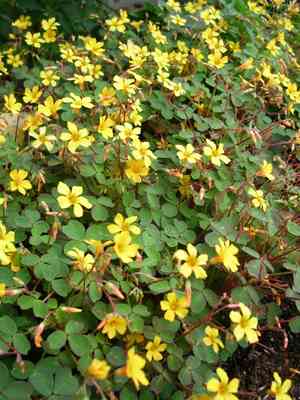
For Oxalis vulcanicola, relocating during the mild period of mid-to-late spring or the moderate chill of mid-to-late fall is optimal. These times facilitate root development without harsh climatic pressure. Choose a location featuring adequately draining earth and dappled sunlight. When transplanting Oxalis vulcanicola, guarantee uniform soil conditions to simplify the adjustment.
Essential Preparations Before Relocating Volcanic Sorrel?
Optimal Timing for Moving Volcanic Sorrel?
The best time to move volcanic sorrel is from mid-spring to early summer, or from mid-autumn to its end. Transplanting volcanic sorrel during these times takes advantage of mild temperatures and ideal soil moisture, helping your volcanic sorrel settle well in its new spot. This period is gentle for growth, as the soil is either waking up or preparing for dormancy, providing volcanic sorrel a perfect adjustment phase.
Recommended Spacing Between Volcanic Sorrel Plants?
Allow your volcanic sorrel ample room to thrive! Aim for a spacing of about 4-6 inches (10-15 cm). This provides sufficient space for growth without crowding, enabling them to flourish and enhance your garden.
Ideal Soil Mixture for Volcanic Sorrel Relocation?
Volcanic sorrel prefers a well-draining soil enriched with organic material. Prepare the planting area by incorporating compost or a balanced slow-release fertilizer, giving them a nourishing start in their new location. Consider it a welcoming feast for your green companions!
Choosing a New Location for Your Volcanic Sorrel?
Select a sunny location for your volcanic sorrel where they can receive at least six hours of sunlight daily. They love light but appreciate some afternoon shade in hotter climates, so a slightly sheltered spot is perfect for these vibrant plants.
Necessary Equipment for Transplanting Volcanic Sorrel?
Gardening Gloves
To safeguard your hands while handling soil and plants.
Trowel or Shovel
For excavating the plant and preparing the new planting site.
Watering Can or Hose
For hydrating the plant before and after the move.
Pruning Shears
For trimming any damaged roots or foliage.
Garden Fork
To loosen soil if moving from the ground.
Wheelbarrow or Garden Cart
For moving the plant and soil if needed.
Tape Measure or Ruler
To ensure correct spacing between plants.
How to Extract Volcanic Sorrel from the Soil?
How to Extract Volcanic Sorrel from the Soil?
From Ground: Before removing volcanic sorrel from the garden bed, moisten the soil to make the process less stressful for the roots. Using a shovel or garden fork, dig a wide circle around the volcanic sorrel to avoid damaging the root system. Gently lift the plant, keeping as much of the root ball intact as possible.From Pot: Water your potted volcanic sorrel to facilitate the removal of the root ball. Turn the pot on its side and tap the bottom or sides. Carefully loosen the plant by pulling at its base, being careful not to yank it out, to keep the root ball whole.From Seedling Tray: Moisten the soil in the tray. Use a trowel or a spoon to gently lift the volcanic sorrel seedling, including the surrounding soil and roots, aiming to minimize root disturbance.
Step-by-Step Guide for Relocating Volcanic Sorrel
Plant Preparation
The day before transplanting, thoroughly water your volcanic sorrel to lessen transplant shock and ease the removal process.
Root Ball
When moving volcanic sorrel from its current spot, ensure as much soil as possible remains attached to the root ball. This protects the delicate root system.
Hole Preparation
Dig a hole slightly larger than the root ball of your volcanic sorrel. This allows the roots space to spread and ensures better establishment.
Planting
Place volcanic sorrel in the prepared hole, ensuring it sits at the same depth as in its original location. Gently backfill with the excavated soil, and pat down to eliminate air pockets.
Watering
Immediately after transplanting, water volcanic sorrel generously to settle the soil and provide essential moisture for root recovery.
Mulching
Apply a layer of mulch around volcanic sorrel to retain moisture and regulate soil temperature.
Post-Transplant Care for Volcanic Sorrel?
Monitoring
Regularly inspect volcanic sorrel for any signs of stress like wilting or yellowing. If observed, address with appropriate care or adjustments.
Support
Depending on its size and structure, volcanic sorrel may require staking or support as it establishes in its new location.
Trimming
Prune any damaged or dead leaves to help volcanic sorrel focus its energy on root and new growth development.
Feeding
Provide volcanic sorrel with a suitable fertilizer once it has adapted to its new location, following previous guidelines on type and frequency.
Addressing Common Issues with Volcanic Sorrel Transplantation.
When is the best time to move volcanic sorrel?
For volcanic sorrel, the ideal transplanting periods are mid to late spring or mid to late autumn.
What spacing should I use for volcanic sorrel when transplanting?
Space volcanic sorrel approximately 4-6 inches (10-15 cm) apart to allow for growth and good air circulation.
Why is my volcanic sorrel drooping after transplanting?
Drooping might be due to transplant shock. Allow it time, and ensure it's adequately watered without being waterlogged.
Should I fertilize volcanic sorrel right after transplanting?
Avoid immediate fertilization; let volcanic sorrel establish for a few weeks in its new location first.
How deep should I plant volcanic sorrel's roots in the soil?
Plant volcanic sorrel's roots just below the soil surface, ensuring the crown is at soil level to prevent rot.
Can I transplant volcanic sorrel on a hot, sunny day?
It's best to transplant volcanic sorrel on a cloudy day or during cooler hours to minimize stress and evaporation.
How do I prepare the soil before transplanting volcanic sorrel?
Amend the soil with compost or well-rotted manure to ensure rich, well-draining conditions for volcanic sorrel.
Can volcanic sorrel be transplanted in wet soil?
Wet soil can cause root problems for volcanic sorrel. Wait until the soil is moist, but not soggy.
My volcanic sorrel looks weak after transplanting. How can I help it recover?
Ensure volcanic sorrel receives gentle watering and is protected from direct sunlight until it shows signs of recovery.
How much water does volcanic sorrel need after transplanting?
After transplanting, keep the soil consistently moist but not waterlogged; overwatering can harm volcanic sorrel.



