Enhancing Your Garden Design with the Volcanic sorrel Plant: A Landscaping Guide
1
Volcanic sorrel is recognized for its impressive look and adaptable application in diverse garden designs.
2
Careful preparation and knowledge of Volcanic sorrel's needs can result in a flourishing and attractive garden.
3
Consistent upkeep guarantees Volcanic sorrel stays robust and keeps improving your outdoor space.
Introducing Volcanic Sorrel in Garden Design
Visual traits of Volcanic Sorrel
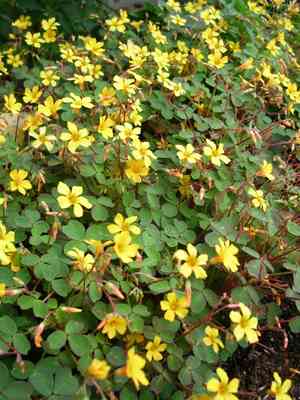
Volcanic sorrel enlivens any garden with its distinct leaf patterns and vivid blossoms. Its foliage often displays a pleasant deep green, with flowers ranging from yellow to a delicate orange. The plant's overall form is both compact and striking, making it a prominent element in various garden schemes.
General advantages of Volcanic Sorrel in garden settings
Volcanic sorrel is not only visually appealing but also relatively simple to care for. It flourishes in well-drained soil and can adapt to both sunny and partly shaded spots, offering placement versatility. Furthermore, Volcanic sorrel can serve as a natural ground cover, aiding in weed suppression and moisture retention, which benefits nearby plants.
Designing Your Garden Layout with Volcanic Sorrel
Evaluating the area: Optimal shapes and sizes for Volcanic Sorrel
Before adding Volcanic sorrel to your garden, it's crucial to assess the available space. Volcanic sorrel is best suited for beds and borders due to its small stature. It performs well in rock gardens, as an edging plant along pathways, or even in containers. Ensure the site has good drainage to support robust growth. Correct spacing between plants is vital to prevent crowding and guarantee each plant gets sufficient sunlight and nutrients.
Companion plants for Volcanic Sorrel
Selecting companion plants can boost your landscape's visual appeal. Consider pairing Volcanic sorrel with other low-growing perennials like lavender or creeping thyme. These plants share similar growing conditions and create a harmonious mix of textures and hues. Additionally, ornamental grasses or taller flowering plants can offer a lovely backdrop, emphasizing Volcanic sorrel's unique charm.
Integrating Volcanic Sorrel into Diverse Landscape Styles
Utilizing Volcanic Sorrel in formal gardens
For a formal garden environment, Volcanic sorrel can be employed to create structured and symmetrical designs. Plant Volcanic sorrel in neat rows or geometric patterns to highlight the clean lines characteristic of formal gardens. Their consistent height and uniform blooming periods can contribute to the organized aesthetic that formal gardens are known for.
Incorporating Volcanic Sorrel into casual or cottage-style gardens
In a more relaxed, cottage-style garden, Volcanic sorrel shines with its informal allure. The plant's natural, somewhat whimsical appearance fits well among a variety of different flowers and shrubs. Allow Volcanic sorrel to cascade over borders or intermingle with wildflowers to create a lush, inviting ambiance. Its ease of care makes it an excellent choice for adding effortless beauty to casual garden spaces.
Innovative concepts for Volcanic Sorrel in modern landscapes
Modern landscapes benefit from Volcanic sorrel's simplicity and striking foliage. Use Volcanic sorrel as part of a minimalist design by planting it in sleek, contemporary planters or among hardscape elements like gravel and stone. The plant's bright blooms provide a splash of color that contrasts with the neutral tones typically found in modern gardens. Moreover, Volcanic sorrel can be grouped in clusters to establish a bold, visual focal point.
Seasonal Considerations for Volcanic Sorrel
Optimal planting periods for best development
To ensure peak growth, planting Volcanic sorrel during spring or early autumn is advisable. These times offer moderate temperatures and sufficient rainfall, helping the plants establish strong root systems before facing the more extreme weather conditions of summer or winter. Early planting also allows Volcanic sorrel to adapt better to its surroundings, leading to a healthier and more vibrant garden display.
How weather impacts Volcanic Sorrel
Weather significantly influences the health and growth of Volcanic sorrel. While Volcanic sorrel is relatively resilient, extremely hot or frosty conditions can present difficulties. During intense heat, ensure Volcanic sorrel has adequate water and consider providing partial shade to shield it from sunburn. In colder climates, mulching around the base can help insulate the roots against frost. Monitoring local weather patterns and being proactive about protection will help maintain your Volcanic sorrel plants throughout the seasons.
Maintaining Volcanic Sorrel in the Landscape
Regular inspections and upkeep
Consistent maintenance is crucial for keeping Volcanic sorrel healthy and attractive in your landscape. Routine tasks include checking for pests, trimming dead or damaged leaves, and ensuring appropriate soil moisture levels. Fertilizing sparingly with a balanced, slow-release fertilizer can also support vigorous growth. Periodic inspection ensures that any issues are addressed promptly, preventing minor problems from becoming major concerns.
Addressing common issues with Volcanic Sorrel
Common problems with Volcanic sorrel might include pests like aphids or diseases such as root rot. To manage these, use organic insecticides or natural predators like ladybugs for pest control. Ensure proper drainage to prevent waterlogged conditions that can lead to root rot. Additionally, keeping the foliage dry by watering at the base can reduce the risk of fungal infections. By implementing these strategies, you can maintain a healthy, thriving Volcanic sorrel in your garden.



