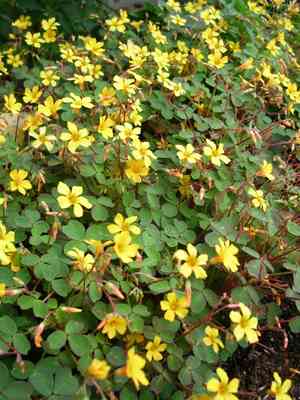
Volcanic sorrel (Oxalis spiralis)
Also known as: Velvet oxalis
Volcanic sorrel gets its name from its initial discovery near the Irazu Volcano in Costa Rica. This plant is naturally found in montane forests but is also popular among gardeners, particularly for use in container gardens. Its semi-succulent stems allow it to tolerate drier conditions better than many other plants.
In This Article
Attributes of Volcanic sorrel
Lifespan
Perennial
Plant Type
Herb
Plant Height
30 cm
Spread
50 cm
Leaf Color
Green, reddish, purplish
Flower Size
1-2 cm
Flower Color
Yellow
Images of Volcanic sorrel
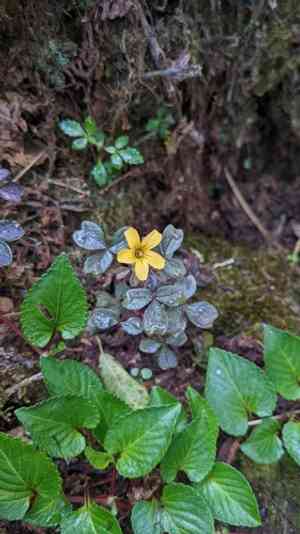
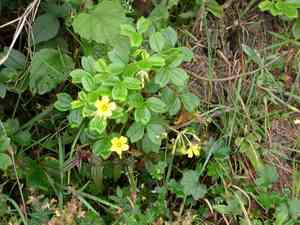
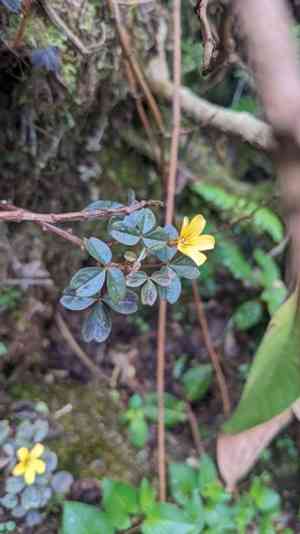
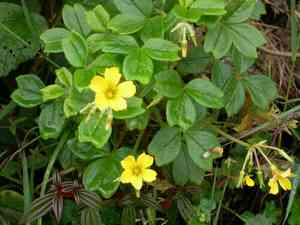
Quickly Identify Volcanic sorrel
1
Look for the characteristic three-lobed leaves, similar to clover but thinner and more delicate. The leaves are typically green but may have reddish or purplish tints. The flowers are small, usually yellow, and grow in clusters.
Scientific Classification of Volcanic sorrel
Phylum
Vascular plants
Class
Dicotyledons
Order
Oxalidales
Family
Wood sorrel
Genus
Wood sorrels
Species
Volcanic sorrel
Planting and Growing of Volcanic sorrel
Care Difficulty
Easy
Watering Schedule
Every 4 days
Sunlight Requirements
Partial sun
Sunshine Duration
4-6 hours
Ideal Temperature
65-75℉
Soil Type
Potting Mix, Peat Mix
Soil pH
6-7.5
Fertilizer Type
Balanced
Pruning Season
Spring, Summer
Pruning Area
Branches, Leaves
Pruning Frequency
2 times a year
Repotting Season
Spring
Pot Type
Plastic, Ceramic
 How to Water Volcanic sorrel?
For Oxalis spiralis, the rule of thumb is to keep the soil consistently moist but not soggy. Aim to provide approximately 250 milliliters of water per session, ensuring the soil is evenly moist but allowing the top layer to dry out between watering sessions.
What are the symptoms of an underwatered Volcanic sorrel?
›
What should I do if my Volcanic sorrel is not getting enough water?
›
What are the symptoms of an overwatered Volcanic sorrel?
›
How to save an overwatered Volcanic sorrel?
›
 What Are the Sunlight Requirements for Volcanic sorrel?
Oxalis spiralis thrives in partial sun conditions, where it receives 4 to 6 hours of sunlight per day. This balance promotes healthy foliage, vibrant colors, and strong overall growth, while preventing the risks of overexposure or insufficient light.
What is the ideal environment?
›
How to achieve ideal lighting?
›
Benefits of ideal lighting?
›
 What Is the Ideal Temperature Range for Volcanic sorrel?
The preferred temperature range for Oxalis spiralis is between 65°F and 75°F. This range ensures the plant remains within optimal growth conditions, where metabolic and physiological processes can proceed efficiently. Maintaining this temperature range is crucial for achieving vibrant foliage and sustained flowering.
 What Soil is Best for Volcanic sorrel?
Oxalis spiralis thrives in well-draining soil as it helps prevent root rot, a common issue when water sits around the roots for too long. This type of soil ensures that the plant receives just enough water without being over-saturated, promoting healthy growth. This plant prefers moderately fertile soil. It doesn't require overly rich soil but benefits from a balanced mix that provides necessary nutrients for growth and flowering, helping to sustain its vibrant leaves and charming blooms. While well-draining, the soil should also retain some moisture to support Oxalis spiralis's growth. Maintaining a light moisture level can keep the plant hydrated, especially during warmer periods, which is crucial for continuous healthy development.
 How to Fertilize Volcanic sorrel?
When fertilizing Oxalis spiralis, use a balanced water-soluble fertilizer at a quarter strength. The recommended dose for this plant should be about 200-250 ml per application, ensuring the soil is damp but not soggy, to avoid root rot.
 How to Prune Volcanic sorrel?
Before pruning, ensure your scissors or shears are clean and sterilized. This will help prevent the introduction of pathogens to the plant, reducing the risk of disease. When pruning, take care not to remove new shoots, as these are the future of your plant's growth. Focus on shaping and removing damaged parts instead.
More About Pruning Techniques→
 How to Propagate Volcanic sorrel plant?
1
Select a well-draining potting mix to promote aeration and prevent waterlogging, which can lead to root rot. A mixture that includes perlite or sand can help with drainage. Ensure the soil is sterile to minimize the risk of fungal infections.
2
Choose healthy stems free from disease or insect infestation, ideally about 4-6 inches long. Cut just below a node, which is where root development will be most successful. Strip the lower leaves to focus energy on root development.
3
Place the cuttings or seeds into the prepared soil and water them lightly to keep the soil moist but not soggy. Over-watering can hinder root development, so ensure good drainage and monitor moisture levels regularly.
 How to Repot Volcanic sorrel plant?
1
You should consider repotting your Oxalis spiralis when you notice the roots beginning to emerge from the drainage holes or if the plant appears root-bound and growth seems stunted. This plant tends to show signs of crowded roots, which is a clear indicator that it's time for a new pot.
2
Select a pot that is only one size larger than the current one. A pot too large can lead to excessive moisture and root rot. An ideal pot should have ample drainage holes to ensure excess water can escape, maintaining the well-being of your plant's roots.
3
Pick a well-draining potting mix, ideally one that incorporates perlite or sand to aid in aeration. This ensures that the roots do not sit in water, which could cause rot, and maintains a healthy balance of moisture and air.
Toxicity
Ingestion
WARNING
The judgment on toxicity and danger is for reference only. We DO NOT GUARANTEE any accuracy of such judgment. Therefore, you SHALL NOT rely on such judgment. It is IMPORTANT TO SEEK PROFESSIONAL ADVICE in advance when necessary.
Learn More About Volcanic sorrel Diseases
Anthracnose
Bacterial Leaf Spot
Bacterial Soft Rot
Bacterial Wilt
Black Spot
Chemical Injury
Crown Gall
Cyst Nematode
Damping-off
Downy Mildew
Drought Stress
Fusarium Wilt
Gray Mold
Leaf Curl
Leaf Spot
Mosaic
Nutrient Deficiency
Nutrient Toxicity
Powdery Mildew
Root Rot
Root-knot Nematode
Rusts
Sooty Mold
Spider Mites
Temperature Stress
Thrips Damage
White Mold



