How to Transplant Bluntseed sweetroot?
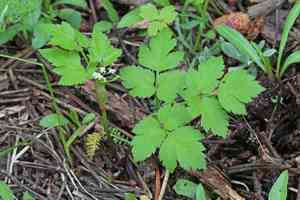
For bluntseed sweetroot, relocation is most effective as natural revitalization commences; aim for the period spanning from the departure of frost until the full onset of summer's heat. Select a location offering filtered sunlight and fertile ground. Carefully settle bluntseed sweetroot into its new spot, ensuring a smooth adjustment to its new environment.
Necessary Preparations Before Relocating Bluntseed Sweetroot?
When is the Best Time to Move Bluntseed Sweetroot?
The prime window for moving bluntseed sweetroot spans from the initial spring thaw to the gentle warmth of late spring. Transplanting bluntseed sweetroot during this period allows roots to establish before summer's heat. A friendly reminder: this timing provides bluntseed sweetroot a head start for growth, as the soil is damp and temperatures are mild – ideal for root development!
What is the Recommended Spacing Between Bluntseed Sweetroot Plants?
When relocating bluntseed sweetroot, aim for a separation of approximately 12-18 inches (30-45 cm). This provides each plant ample room to flourish without competing for nutrients and sunlight.
What is the Optimal Soil Blend for Transplanting Bluntseed Sweetroot?
Prepare a fertile, well-draining soil for bluntseed sweetroot, incorporating a base fertilizer for a nourishing start. A combination of loam and compost is perfect. Mix in a slow-release, balanced fertilizer to help your bluntseed sweetroot thrive.
Where Should You Replant Your Bluntseed Sweetroot?
Select a location for bluntseed sweetroot where it will receive partial shade, mimicking its native woodland environment. Avoid areas with full sun, which can stress the plant and hinder its growth.
What Tools Should You Get Ready Before Transplanting Bluntseed Sweetroot?
Gardening Gloves
To safeguard your hands while handling soil and plants.
Shovel or Spade
For excavating and lifting the plant from its current spot.
Garden Fork
To loosen the earth around the root system.
Watering Can or Hose
To hydrate the plant before and after its relocation.
Pruning Shears
To trim any dead or damaged roots or foliage prior to transplanting.
Wheelbarrow or Garden Cart
To move the plant and soil to and from the new planting site.
Measuring Tape
To ensure correct spacing between the transplanted plants.
How Do You Extract Bluntseed Sweetroot from the Ground?
How Do You Extract Bluntseed Sweetroot from the Ground?
From Ground: First, moisten the bluntseed sweetroot plant to dampen the surrounding soil. Use a shovel or spade to dig a wide circle around the plant, being careful not to sever the root ball. Gently pry and lift the plant, ensuring to preserve as much of the root ball as possible.From Pot: Begin by watering the bluntseed sweetroot plant to facilitate its removal. Turn the pot on its side and gently tap the edges to loosen the soil. Slide the plant out, supporting the root ball with your hands to prevent it from disintegrating.From Seedling Tray: Water the tray to moisten the soil, which will aid in removing the seedlings. Use a spoon or a small gardening tool to gently lift each seedling by the leaves, never by the delicate stem, making sure to extract the entire root system.
Step-by-Step Guide for Relocating Bluntseed Sweetroot
Digging the Hole
Excavate a hole in the ground that is twice as wide and the same depth as the root ball of the bluntseed sweetroot plant.
Inspecting the Roots
Examine the root ball and use pruning shears to remove any dead or damaged roots. If the roots are circling the root ball, gently separate them.
Placing the Plant
Carefully position the bluntseed sweetroot into the hole, ensuring that the top of the root ball is level with the surrounding soil surface.
Filling the Hole
Backfill the hole with the excavated soil. While backfilling, lightly press the soil down to eliminate any air pockets without over-compacting it.
Watering
Thoroughly water the bluntseed sweetroot after planting to settle the soil around the roots and provide the necessary moisture for growth.
How Do You Care For Bluntseed Sweetroot After Relocation?
Watering
Ensure bluntseed sweetroot receives consistent watering, especially during the initial weeks, to aid root establishment without over-saturating.
Mulching
Apply a layer of organic mulch around the base of bluntseed sweetroot to help retain moisture, stabilize soil temperature, and suppress weeds.
Monitoring
Keep an eye out for signs of stress on bluntseed sweetroot, such as wilting or discolored leaves, which could indicate a need for more or less water or potential pests.
Pruning
Trim any dead or damaged foliage on bluntseed sweetroot to encourage new growth and maintain a healthy plant.
Supporting
If needed, provide a stake or small trellis for bluntseed sweetroot for additional support as it grows taller.
Troubleshooting Common Issues with Bluntseed Sweetroot Relocation.
Why is my bluntseed sweetroot struggling after being moved?
Ensure you've transplanted bluntseed sweetroot during the cooler months of early to late spring for optimal root establishment. Also, verify your soil is well-drained and rich in organic matter.
How often should I water bluntseed sweetroot after transplanting?
Water bluntseed sweetroot thoroughly after transplanting, then maintain consistent moisture without overwatering. Allow the soil to dry slightly between waterings.
What's the ideal spacing for bluntseed sweetroot when transplanting?
Allow ample room for growth by positioning your plants 12-18 inches (30-45 cm) apart. This promotes robust development and air circulation.
What depth should I plant bluntseed sweetroot when transplanting?
Transplant bluntseed sweetroot so that the root crown is flush with the soil surface to avoid burying the stems or exposing the roots excessively.
Should I fertilize bluntseed sweetroot at the time of transplanting?
It's not necessary to fertilize bluntseed sweetroot immediately. After transplanting, wait until they are established and show signs of new growth before feeding lightly.
How do I select a suitable location for transplanting bluntseed sweetroot?
Choose a site with partial to full shade and protected from intense midday sun to replicate bluntseed sweetroot's natural woodland habitat.
My bluntseed sweetroot wilts quickly after being moved. What should I do?
Wilting can indicate transplant shock. Provide shade and keep the soil consistently moist to help bluntseed sweetroot recover.
Can I transplant bluntseed sweetroot during the summer?
It's best to transplant bluntseed sweetroot when temperatures are cooler in early to late spring to minimize stress and ensure root establishment.
What type of soil is best for bluntseed sweetroot after transplanting?
Plant bluntseed sweetroot in humus-rich, well-draining soil with a pH between 6.0 and 7.5 for optimal growth.
How do I handle the roots of bluntseed sweetroot during transplanting?
Gently untangle the roots and spread them in the planting hole without bending or breaking. This encourages strong development in the new location.



