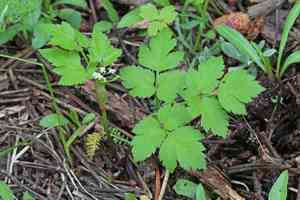
Bluntseed sweetroot (Osmorhiza depauperata)
Also known as: Blunt-fruited sweet-cicely
Bluntseed sweetroot (*Osmorhiza depauperata*) is a member of the carrot family. It is indigenous to the damp forest floors of the Americas and requires fertile soil to thrive. Black swallowtail butterflies visit this plant, as it serves as their primary food source. The anise-scented roots gave meaning to the genus name Osmorhiza, which translates in Greek to "fragrant root."
In This Article
Attributes of Bluntseed sweetroot
Lifespan
Perennial
Plant Type
Herb
Plant Height
80 cm
Spread
30-60 cm
Leaf Color
Green
Flower Size
5 mm
Flower Color
White
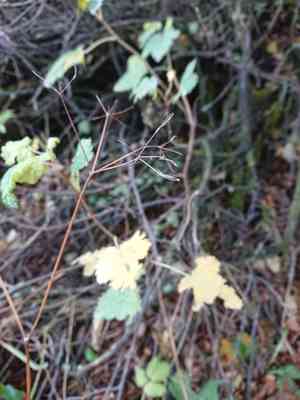
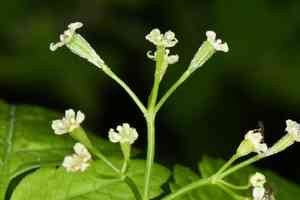
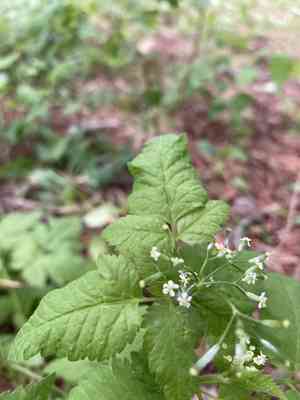
Images of Bluntseed sweetroot
Quickly Identify Bluntseed sweetroot
1
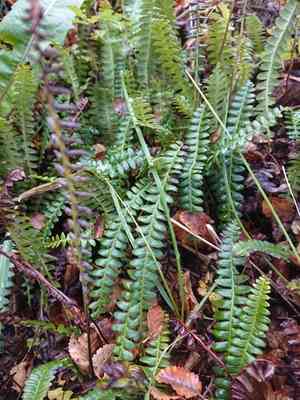
Osmorhiza depauperata can be identified by its finely divided, fern-like leaves and small white or greenish flowers that form umbrella-like clusters. The plant has long, slender seed pods that are often covered in small, bristle-like hairs.
Scientific Classification of Bluntseed sweetroot
Phylum
Vascular plants
Class
Dicotyledons
Order
Apiales
Family
Umbellifers
Genus
Sweet cicelies
Species
Bluntseed sweetroot
Planting and Growing of Bluntseed sweetroot
Care Difficulty
Moderate
Watering Schedule
Every 2 days
Sunlight Requirements
Partial sun
Sunshine Duration
4-6 hours
Ideal Temperature
61-75℉
Soil Type
Potting Mix, Peat Mix
Soil pH
6.5-7.5
Fertilizer Type
Balanced
Pruning Season
Spring, Summer
Pruning Area
Branches, Leaves
Pruning Frequency
2 times a year
Repotting Season
Spring
Pot Type
Plastic, Ceramic
 How to Water Bluntseed sweetroot?
The watering amount for Osmorhiza depauperata should be around 250 ml each time. This plant prefers its soil to be consistently moist but not waterlogged. Ensure the top layer is slightly dry before the next watering.
What are the symptoms of an underwatered Bluntseed sweetroot?
›
What should I do if my Bluntseed sweetroot is not getting enough water?
›
What are the symptoms of an overwatered Bluntseed sweetroot?
›
How to save an overwatered Bluntseed sweetroot?
›
 What Are the Sunlight Requirements for Bluntseed sweetroot?
Partially shaded environments offering dappled sunlight encourage optimal growth by providing balanced light exposure without the harshness of direct rays.
More About Sunlight Requirements Techniques→
What is the best light intensity?
›
What orientation provides optimal light?
›
How to modify surroundings for better lighting?
›
 What Is the Ideal Temperature Range for Bluntseed sweetroot?
For optimal growth, Osmorhiza depauperata thrives best in a temperature range of 61°F to 75°F. This range allows the plant to perform essential physiological processes such as photosynthesis, respiration, and transpiration optimally. Staying within this temperature range ensures that the plant maintains healthy growth, flowering, and seed production, contributing to its overall vigor.
 What Soil is Best for Bluntseed sweetroot?
Osmorhiza depauperata thrives in well-drained soils because they prevent waterlogging, which can lead to root rot. The plant's roots need aeration and a lack of water saturation helps in maintaining plant health, promoting robust growth. This plant prefers soils that offer moderate fertility. While it doesn't need overly enriched soils, a balanced nutrient profile supports its development and flowering, ensuring that it achieves optimal growth without stunting or excessive foliage. Osmorhiza depauperata benefits from soils that can retain moisture without becoming swampy. The ability of the soil to maintain some moisture supports consistent nutrient uptake, essential for maintaining the plant’s vigor throughout its lifecycle.
 How to Fertilize Bluntseed sweetroot?
When fertilizing Osmorhiza depauperata, ensure that you apply a balanced, water-soluble fertilizer at a rate of 1/4 teaspoon per gallon of water. A light hand is essential since this plant does not require heavy fertilization to thrive. Over-fertilizing can lead to root damage and nutrient burn. Always follow the dilution rates correctly to ensure optimal plant health.
 How to Prune Bluntseed sweetroot?
Start by sanitizing your pruning tools to prevent disease transmission. Identify any dead or damaged stems, and remove these first to encourage new growth. Trim back any excessively long or unruly stems to maintain a balanced shape. When cutting, make clean, diagonal cuts just above a leaf node or bud, to promote healthy new growth. After identifying the main stems, trim selective shoot tips. By pinching back these areas, the plant is encouraged to grow laterally, resulting in a denser appearance. This practice strategically promotes fuller foliage, making the plant lush and robust.
More About Pruning Techniques→
 How to Propagate Bluntseed sweetroot plant?
1
Collect seeds from mature Osmorhiza depauperata plants in the early spring. Ensure seeds are from healthy plants and are fully developed for the best germination results.
2
Fill the seed tray with a well-draining potting mix. Water the soil until it's uniformly moist, providing a suitable environment for seed germination.
3
Scatter seeds evenly across the surface of the prepared soil. Lightly cover them with a thin layer of soil or compost, maintaining moisture for the best germination.
 How to Repot Bluntseed sweetroot plant?
1
Watch for signs like roots starting to circle the pot or emerging from drainage holes, which indicate that Osmorhiza depauperata is ready for a new pot. A halt in growth or quick drying of soil can also suggest it's time to repot.
2
Select a pot that's about 2 inches larger in diameter than the current one, with ample drainage holes. A slightly larger pot encourages healthy growth and prevents waterlogging, which can lead to root rot.
3
Opt for a well-draining potting mix, perhaps a blend with some organic matter. This ensures that plant roots get adequate air circulation and moisture retention without becoming waterlogged.
Learn More About Bluntseed sweetroot Diseases
Anthracnose
Bacterial Leaf Spot
Bacterial Soft Rot
Bacterial Wilt
Chemical Injury
Cyst Nematode
Damping-off
Downy Mildew
Drought Stress
Fusarium Wilt
Gray Mold
Leaf Curl
Leaf Spot
Mosaic
Nutrient Deficiency
Nutrient Toxicity
Powdery Mildew
Root Rot
Root-knot Nematode
Rusts
Sooty Mold
Spider Mites
Temperature Stress
Thrips Damage
White Mold



