How Much Sunlight Do Bluntseed sweetroot Need?
1
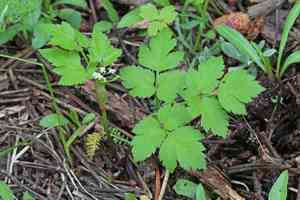
Bluntseed sweetroot flourishes optimally in areas with filtered light.
2
Observing the hue of its leaves and its growth habits can indicate if the plant receives adequate sun exposure.
3
Observing the hue of its leaves and its growth habits can indicate if the plant receives adequate sun exposure.
Optimal Light Conditions for Bluntseed sweetroot
Partial Shade Preference
Bluntseed sweetroot thrives in partial shade, making it perfect for woodland gardens or areas not exposed to intense, all-day sun. This plant flourishes with approximately 3-6 hours of daily sunlight, achieving a balance where it avoids excessive light. Partial shade aids in moisture retention and protects delicate leaves from scorching.
Morning Sun Exposure
Morning sunlight is especially beneficial for Bluntseed sweetroot. The cooler, softer morning rays initiate photosynthesis without overwhelming the plant. Positioning your plant to absorb morning lightâsuch as in an east-facing garden or on a windowsillâwill promote vigorous growth and vibrant foliage.
Avoiding Intense Afternoon Sun
While morning sun is welcome, the strong afternoon sun can harm Bluntseed sweetroot. Intense heat and light may cause leaf scorch or dehydration. To prevent this, ensure your plant is shaded or protected during the day's hottest period. This could involve planting it under a canopy, using shade cloths, or placing it where natural shade will cover it as the day progresses.
How to Determine Proper Sunlight for Bluntseed sweetroot?
Leaf Color and Vitality
A reliable indicator of whether your Bluntseed sweetroot receives adequate sunlight is the color and health of its leaves. Bright green leaves typically signal the plant is content with its light exposure. Conversely, yellowing leaves might suggest too much sun, while pale or dull leaves could indicate insufficient light.
Plant Development Patterns
Observing your plant's growth patterns can offer insights into its light requirements. Healthy, uniform growth throughout the growing season indicates sufficient light. In contrast, leggy or elongated stems may signify the plant is reaching for a light source, suggesting it needs more sun.
Signs of Excessive or Insufficient Sun
Balancing sunlight for your Bluntseed sweetroot may involve some experimentation, but there are key signs to watch for. If the plant receives too much sun, you might notice scorched, crispy leaf edges. Insufficient sunlight, on the other hand, can lead to weak, stunted growth and a lack of blooms.
Best Locations for Cultivating Bluntseed sweetroot
Garden Placement Advice
When planting Bluntseed sweetroot in your garden, seek out spots that offer a mix of shade and sunlight. Areas beneath deciduous trees can work well, providing dappled light that shifts throughout the day. Ensure the soil drains effectively and consider applying mulch around the plant's base to retain moisture and cool the roots.
Indoor Cultivation Tips
For indoor gardeners, Bluntseed sweetroot can thrive near windows that receive moderate light. East-facing windows are ideal, offering gentle morning sun. Rotate the plant periodically to ensure even light distribution and prevent one side from becoming leggy.
Container Placement for Optimal Light
If you grow your Bluntseed sweetroot in a pot, placing it on a shaded patio or balcony can be highly effective. Ensure the pot is in a location where it can enjoy morning sun but is shielded from the harsh afternoon rays. Using pots also provides the flexibility to move the plant as the sun's path changes throughout the year.
Modifying Sunlight Exposure Throughout the Year
Seasonal Light Variations
As seasons change, the intensity and duration of sunlight will fluctuate. During summer, ensure Bluntseed sweetroot is protected from excessive heat. In the shorter, cooler winter days, try to maximize available sunlight, perhaps by moving potted plants to the sunniest spot you have.
Utilizing Shade Cloths or Grow Lights
To effectively manage sunlight exposure, consider using shade cloths during peak summer months to filter intense rays. Conversely, during darker months, supplementary grow lights can help maintain healthy growth by compensating for reduced natural sunlight.
Monitoring Plant Responses
Regularly observing your Bluntseed sweetroot and noting changes in its appearance can help you fine-tune its light environment. Keep a gardening journal to track these observations, which can assist you in making timely adjustments and ensuring optimal growth year-round.



