How to Transplant California sweet cicely?
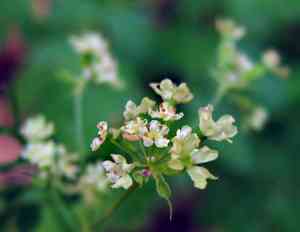
California sweet cicely flourishes when relocated between early and late fall, allowing it to develop its root system without the strain of high summer temperatures. Select a site offering partial to moderate shade with fertile, damp earth for optimal transplant success.
Necessary Preparations Before Relocating California Sweet Cicely?
Optimal Period for Moving California Sweet Cicely?
The best time for relocating california sweet cicely, a perennial, is from early to late autumn. This period offers mild temperatures and adequate soil moisture, lessening transplant stress. The plant can develop stronger roots before winter dormancy, encouraging vigorous spring growth. Transplanting then maximizes its survival and flourishing potential.
Required Spacing Between California Sweet Cicely Plants?
When relocating california sweet cicely, ensure plants are spaced 12-18 inches (30-45 cm) apart to provide ample room for comfortable growth and spread.
Ideal Soil Blend for California Sweet Cicely Relocation?
Prepare well-draining soil enriched with compost or organic material for california sweet cicely. A phosphorus-rich base fertilizer will aid in establishing robust roots.
Recommended Location for Your California Sweet Cicely?
Place california sweet cicely in an area receiving partial to full shade, as excessive direct sunlight can cause plant stress.
Equipment Needed Before Relocating California Sweet Cicely?
Gardening Gloves
To safeguard your hands while handling soil and plants.
Shovel or Spade
For excavating the planting hole and extracting the plant from its original spot.
Trowel
Useful for precise digging and planting tasks.
Watering Can or Hose
To hydrate the plant before and after its relocation.
Pruners
For trimming any damaged or superfluous roots.
Mulch
To assist in retaining soil moisture and moderating temperature.
How to Extract California Sweet Cicely from the Ground?
How to Extract California Sweet Cicely from the Ground?
From Ground: First, moisten the california sweet cicely plant's soil. Then, using a shovel or spade, dig a wide trench around the plant, ensuring the root ball remains intact. Carefully work the spade beneath the root ball to lift the plant from its initial position. From Pot: Gently water the california sweet cicely to loosen the soil. Invert the pot while supporting the plant; tap the pot's base until the plant and soil emerge. If root-bound, gently separate the roots to encourage outward growth. From Seedling Tray: Water seedlings to facilitate removal. Use a trowel to gently lift each seedling, minimizing root disturbance. If roots are intertwined with others, carefully separate them.
Step-by-Step Guide for Relocating California Sweet Cicely
Prepare the Planting Site
Dig a hole twice the width and equal to the depth of the california sweet cicely's root ball to allow for root expansion.
Extract the Plant
Using the described removal method, carefully lift the california sweet cicely from its initial spot.
Position the Plant in the Hole
Place the california sweet cicely in the hole's center, ensuring the root ball's top is level with or slightly above the surrounding soil.
Backfill the Opening
Refill the hole with the excavated soil, gently firming it to remove air pockets. Avoid excessive soil compaction.
Water Thoroughly
Soak the soil around the california sweet cicely immediately after relocation to help it settle and hydrate the plant.
Apply Mulch
Spread a layer of mulch around the california sweet cicely's base to help retain moisture and shield roots from temperature extremes.
Post-Relocation Care for California Sweet Cicely?
Watering
Keep the soil around the california sweet cicely consistently damp, but not waterlogged, for the initial weeks after relocation to aid in root establishment.
Mulching
Replenish mulch as needed to maintain a 2-3 inch layer, keeping it clear of the plant's stem to prevent rot.
Monitoring
Regularly inspect the california sweet cicely for signs of stress, such as wilting or yellowing leaves, and adjust care practices accordingly.
Pruning
Remove any dead or damaged foliage to help the plant direct its energy towards root establishment.
Addressing Common Issues with California Sweet Cicely Relocation.
When is the best time to relocate california sweet cicely?
The optimal period to relocate california sweet cicely is from early to late autumn.
How much space should I allow between california sweet cicely plants?
Allow 12-18 inches (30-45 cm) between each california sweet cicely plant for ideal growth.
Is soil preparation necessary before relocating california sweet cicely?
Yes, enrich the soil with compost or organic material to ensure proper nutrient availability.
What depth should the planting hole be for california sweet cicely?
Dig a hole approximately the same depth as the plant’s root ball.
Should I water california sweet cicely immediately after relocation?
Yes, water thoroughly to help settle the soil and support root establishment.
Do california sweet cicely plants require pest protection after relocation?
Yes, consider using natural pest repellents or barriers to safeguard young plants.
Can I relocate california sweet cicely during hot weather?
Avoid relocating in hot weather as it can stress the plant; early to late autumn is best.
How can I minimize transplant shock for california sweet cicely?
Reduce root disturbance and water consistently to help the plant adapt to its new spot.
Is mulching beneficial for newly relocated california sweet cicely?
Yes, apply mulch to retain moisture and regulate soil temperature around the plant.
How frequently should I water california sweet cicely after relocation?
Water every few days initially, then gradually decrease as the plant becomes established.



