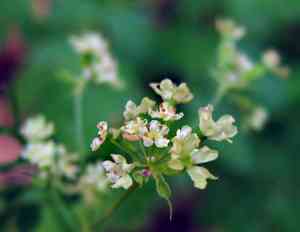
California sweet cicely (Osmorhiza brachypoda)
Also known as: Sweet cicely, Mountain sweet cicely
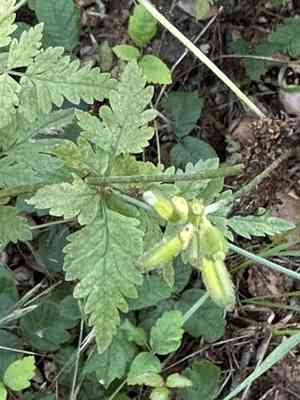
California sweet cicely, known for its feathery compound leaves and small clusters of white flowers, thrives in shaded woodland environments. The plant prefers rich, moist soil and often grows along stream banks and forest understories. It propagates efficiently through its slender seed pods, releasing seeds early to ensure quick dispersal.
In This Article
Attributes of California sweet cicely
Lifespan
Perennial
Plant Type
Herb
Plant Height
40-90 cm
Spread
30-60 cm
Leaf Color
Green
Flower Size
0.2-0.5 cm
Flower Color
White
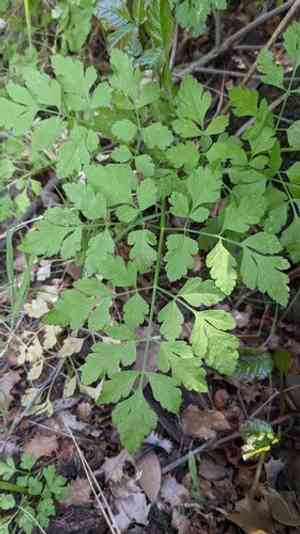
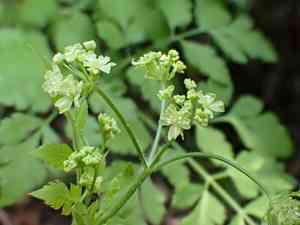
Images of California sweet cicely
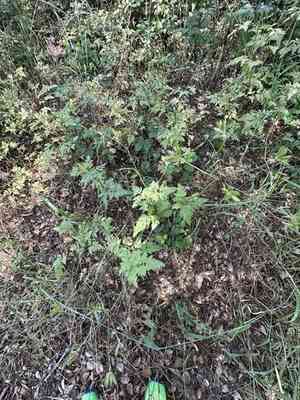
Quickly Identify California sweet cicely
1
Identify Osmorhiza brachypoda by its pinnate leaves with a distinctive sweet aroma, especially when crushed, and its small, white, umbel-shaped flowers that appear in late spring to early summer.
Scientific Classification of California sweet cicely
Phylum
Vascular plants
Class
Dicotyledons
Order
Apiales
Family
Umbellifers
Genus
Sweet cicelies
Species
California sweet cicely
Planting and Growing of California sweet cicely
Care Difficulty
Moderate
Watering Schedule
Every 2 days
Sunlight Requirements
Partial sun
Sunshine Duration
4-8 hours
Ideal Temperature
60-75℉
Soil Type
Potting Mix, Peat Mix
Soil pH
6.5-7.5
Fertilizer Type
Balanced
Pruning Season
Spring, Summer
Pruning Area
Branches, Leaves
Pruning Frequency
2 times a year
Repotting Season
Spring
Pot Type
Ceramic, Plastic
 How to Water California sweet cicely?
For Osmorhiza brachypoda, ensure the soil is evenly moist but not waterlogged. When watering, aim for a depth where the top 1-2 inches of soil remain moist but allow excess water to drain, preventing root rot.
What are the symptoms of an underwatered California sweet cicely?
›
What should I do if my California sweet cicely is not getting enough water?
›
What are the symptoms of an overwatered California sweet cicely?
›
How to save an overwatered California sweet cicely?
›
 What Are the Sunlight Requirements for California sweet cicely?
Partial sun ensures Osmorhiza brachypoda remains healthy and able to photosynthesize without stress. It balances light and shade, promoting lush growth and preventing leaf damage.
How much sunlight does Osmorhiza brachypoda need?
›
How can you achieve ideal lighting for Osmorhiza brachypoda?
›
What are the benefits of providing ideal lighting for Osmorhiza brachypoda?
›
 What Is the Ideal Temperature Range for California sweet cicely?
Osmorhiza brachypoda thrives best in a temperature range of 60 to 75°F. This range allows for optimal metabolic processes and supports vigorous growth and healthy foliage. Providing this temperature range ensures that the plant can maximize photosynthesis and nutrient uptake, leading to a robust and vibrant specimen.
 What Soil is Best for California sweet cicely?
Osmorhiza brachypoda thrives best in well-draining soil. If the soil does not drain well, the roots can become waterlogged and rot. Ensuring good drainage not only prevents diseases but also allows for the proper intake of nutrients, which supports healthy plant growth. A soil that's rich in nutrients, particularly organic matter, promotes robust growth for Osmorhiza brachypoda. It supports lush foliage and flowering, providing the necessary nutrients for a vigorous life cycle. Regular addition of compost can be beneficial. Maintaining moderate moisture levels in the soil is crucial for Osmorhiza brachypoda. While it requires moisture, the soil should not remain consistently wet. Soil that holds moisture properly ensures sustained hydration without oversaturation, preventing stress on the plant.
 How to Fertilize California sweet cicely?
When fertilizing Osmorhiza brachypoda, it's crucial to be mindful of the plant’s delicate root system. Use a balanced fertilizer at one-quarter to one-half the recommended strength. Avoid over-fertilizing as it can lead to nutrient burn, affecting the plant's growth. Begin with a smaller quantity and monitor the plant’s response before increasing the amount gradually.
 How to Prune California sweet cicely?
Begin by using clean, sharp pruning shears to make precise cuts. Focus on removing dead, damaged, or diseased stems. Cut just above a leaf node to encourage new growth. Always angle your cut to deflect water, reducing the risk of rot. Trim back any overly long or unkempt stems to maintain the natural shape of the plant. Try to create a rounded form by cutting select stems at different lengths. This promotes a lush, bushy appearance and prevents legginess.
More About Pruning Techniques→
 How to Propagate California sweet cicely plant?
1
Prepare the seeds by either soaking them overnight or stratifying them in the fridge for a few weeks to break dormancy. This step increases the germination rate by simulating natural winter conditions.
2
Sow the seeds in a tray filled with potting soil, gently pressing them into the soil. Cover lightly with soil. Keep the tray in a warm and bright location, but out of direct sunlight.
3
For division, carefully dig up the plant and separate its roots. Use the trowel to divide the plant into smaller sections, ensuring each section has a healthy root system and shoots.
 How to Repot California sweet cicely plant?
1
Osmorhiza brachypoda should be repotted when you notice its roots beginning to outgrow their pot. This typically becomes evident when roots start to protrude from the pot's drainage holes, or the plant appears root-bound with slowed growth. Repotting in the right season ensures optimal growth.
2
Select a pot that's one size larger than the current one, ensuring it has adequate drainage holes. The right pot size prevents waterlogging and supports healthy root development. A good pot choice balances stability and space for growth, crucial for vigorous plant life.
3
Opt for a well-draining, nutrient-rich soil mix, ideally with added organic matter. This mix facilitates excellent drainage while retaining sufficient moisture and nutrients. The right soil promotes robust growth and helps prevent root rot, common in overly dense soils.



