How to Propagate California sweet cicely?
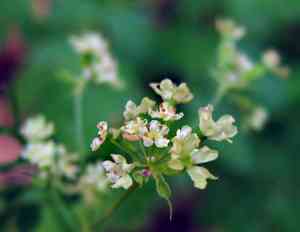
California sweet cicely is a perennial herbaceous plant commonly located in dim, damp settings. For propagation, disperse seeds directly into adequately draining earth, verifying they have undergone stratification to overcome dormancy. Sustaining soil hydration is crucial for sprouting and development. Young plants ought to be spaced out to avoid congestion and guarantee vigorous maturation. Offering filtered light mimics the plant's native surroundings, fostering thriving growth.
What Is the Best Time To Propagate California Sweet Cicely?
Propagation Type
Sowing
Propagation Season
Spring
What Tools Are Used in California Sweet Cicely Propagation?
Seed Trays
Seed trays offer a regulated setting for cultivating california sweet cicely from seeds. They guarantee uniform moisture and nutrient distribution and enable simple observation of young plants until they are ready for relocation.
Seed Starting Mix
A sterile, well-draining seed starting mix is vital for preventing fungal problems and offering a supportive medium for the delicate roots of california sweet cicely. This blend ensures optimal germination and growth conditions.
Heating Mat
A heating mat can sustain a consistent and warm temperature essential for the germination of california sweet cicely. This is particularly beneficial in cooler environments where ambient temperatures might impede seed sprouting.
Humidity Dome
A humidity dome retains moisture and establishes a micro-environment that supports the germination and initial growth phases of california sweet cicely. It prevents the tender seedlings from drying out too quickly.
Spray Bottle
A spray bottle is perfect for misting the seed starting mix and the young seedlings of california sweet cicely. It provides gentle watering that won't dislodge seeds or harm sensitive sprouts.
Plant Labels
Plant labels assist in tracking different growth stages and various batches of california sweet cicely. Proper labeling prevents confusion and allows for organized monitoring of the propagation process.
Transplanting Trowel
A small trowel is crucial for carefully transplanting seedlings of california sweet cicely from seed trays to larger pots or garden beds, minimizing root disturbance and ensuring healthy growth.
How to Propagate California Sweet Cicely?
Propagation Type
Easy
How to Care for Your Newly Propagated California Sweet Cicely?
How to Care for Your Newly Propagated California Sweet Cicely?
After transplanting, irrigate seedlings regularly to keep the soil consistently moist but not waterlogged. Provide partial shade to full sun conditions. Apply mulch around the plant base to retain soil moisture and suppress weeds. Monitor for pests such as aphids and remove them promptly to avoid infestations. Fertilize sparingly as california sweet cicely prefers nutrient-rich but not overly rich soil. As the plant matures, ensure it receives adequate water, particularly during dry spells, to promote healthy growth and flowering.
Common Mistakes to Avoid When Propagating California Sweet Cicely
Improper Soil Mix
Using soil that is too compact or holds too much water can lead to root rot and poor air circulation.
Overwatering
Excessive irrigation can drown the roots, leading to fungal infections and root rot.
Inadequate Light
Providing insufficient illumination can result in leggy growth and poor plant vitality.
Incorrect Planting Depth
Planting seeds or cuttings too deep can prevent them from emerging and establishing properly.
Poor Temperature Control
Exposing plants to extreme temperatures can hinder germination and development.
Neglecting Pest Control
Failure to monitor and manage pests can lead to damage and disease.
Tips For Propagating California Sweet Cicely
Use Well-Draining Soil
Ensure the soil mixture allows for proper drainage to prevent root rot and encourage healthy growth.
Moderate Watering
Water the plant sufficiently but avoid overwatering; let the soil dry slightly between watering sessions.
Provide Sufficient Light
Expose the plant to bright, indirect light to support healthy growth and development.
Proper Planting Depth
Plant seeds or cuttings at the recommended depth to facilitate proper emergence and rooting.
Maintain Optimal Temperature
Keep the propagation environment within the suitable temperature range to ensure successful germination and growth.
Monitor for Pests
Regularly inspect the plant for pest infestations and take appropriate measures to control and prevent them.



