How to Transplant Sweet cicely?
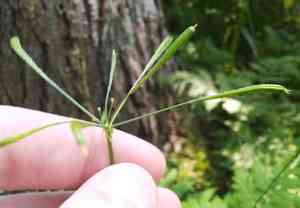
For Myrrhis odorata, the period from early to mid-spring, as the ground thaws, is ideal for relocation because of the pliable soil and mild weather. Choose a shaded spot with soil that drains effectively. If necessary, carefully loosen the earth surrounding the roots during the transfer to aid in its settling.
Essential Preparations Before Relocating Sweet Cicely
Optimal Period for Moving Sweet Cicely?
The perfect time for transplanting sweet cicely is during nature's reawakening, primarily early to mid-spring. This timing allows sweet cicely to establish roots in moderate soil temperatures before the intense summer heat. Moving sweet cicely within this timeframe utilizes increasing daylight and milder temperatures, promoting vigorous growth and better adaptation. Choosing this calendar period for transplanting aligns with sweet cicely's natural growth cycles and ensures a thriving display throughout the growing season.
Required Spacing Between Sweet Cicely Plants?
When relocating sweet cicely, ensure ample room for each plant to thrive. Aim for a separation of approximately 18-24 inches (46-61 cm). This spacing allows their delicate root systems to expand without competing for nutrients.
Ideal Soil Blend for Sweet Cicely Transplantation?
Sweet cicely flourishes in soil that drains well and is abundant in organic material. Prior to planting, incorporate aged compost or a balanced, slow-release fertilizer to give your sweet cicely a healthy beginning. Target a soil pH that is slightly acidic.
Where to Replant Your Sweet Cicely?
Choose a location where sweet cicely will receive filtered sunlight or partial shade, especially in warmer climates. They appreciate some morning sun but benefit from protection against strong afternoon rays. An area beneath a deciduous tree can be ideal.
Equipment Needed Before Transplanting Sweet Cicely
Gardening Gloves
To shield your hands while handling soil and plants.
Shovel or Spade
For excavating the plant and its root ball from the ground.
Trowel
For digging smaller holes or refining the planting site.
Watering Can or Hose with a shower setting
To gently hydrate the plant post-transplant.
Garden Fork
To assist in loosening soil and easier plant removal.
Pruning Shears
To trim any damaged roots or foliage.
Wheelbarrow or Garden Cart
For transporting the plant and soil.
Root Pruning Saw or Sharp Knife
If roots require cutting for extraction.
Compost or Well-Rotted Manure (optional)
To enrich the planting hole if necessary.
How to Extract Sweet Cicely from the Soil?
How to Extract Sweet Cicely from the Soil?
From Ground: First, moisten the sweet cicely plant's soil. This facilitates plant removal and lessens root stress. Use a shovel or garden fork to dig a wide circle around the plant, reaching the depth of the root ball. Carefully work beneath the root ball and gently lift it from the ground.From Pot: If sweet cicely is in a container, water the soil first. Turn the pot on its side, tap the base, and carefully slide the plant out. If roots are circling, gently separate them with your fingers.From Seedling Tray: Water the seedling tray to dampen the soil, aiding removal. Use a trowel or your fingers to carefully lift each sweet cicely seedling from its cell, avoiding damage to delicate roots.
Step-by-Step Guide for Relocating Sweet Cicely
Preparation
Ensure all tools are clean and ready for use. This helps prevent the spread of soil-borne diseases.
Root Ball
Water sweet cicely several hours before transplanting to minimize shock. When removing from the ground, keep as much of the root ball intact as possible.
Hole Digging
Excavate a hole at the new site that is twice the width of the root ball and the same depth to encourage root development.
Placing Plant
Position sweet cicely into the hole at the same depth it was previously growing. Adjust the plant so it stands upright.
Soil Backfill
Gently refill the hole with soil, incorporating any compost or well-rotted manure if planned. Avoid pressing down too firmly, which can compact the soil.
Watering
After transplanting, thoroughly water sweet cicely to settle the soil around the roots and aid in recovery from transplant shock.
Post-Transplant Care for Sweet Cicely
Watering
Consistently water sweet cicely to maintain soil moisture, ensuring not to over-water to prevent root rot.
Mulching
Apply a layer of organic mulch around the base of sweet cicely to help retain moisture and inhibit weed growth.
Monitoring
Periodically check sweet cicely for signs of transplant shock, such as wilting or yellowing leaves, and take appropriate action as needed.
Pruning
Minimize pruning after transplanting to allow sweet cicely to prioritize root establishment.
Supporting
Provide physical support for sweet cicely if it's a tall variety or in a windy location, using stakes or trellises as necessary.
Resolving Common Issues with Sweet Cicely Transplantation.
When is the best time to move sweet cicely?
Choose early to mid-spring when the soil is workable and before the full heat of summer arrives.
How much space do sweet cicely plants require when moved?
Allow for growth by spacing sweet cicely 18-24 inches (45-60 cm) apart.
How deep should I plant sweet cicely during relocation?
The root ball should be positioned at the same depth it was growing at previously. Ensure it's firmly anchored.
What kind of sunlight is ideal for sweet cicely after being moved?
Sweet cicely thrives in partial shade. Excessive sun can cause leaves to wilt, so find a spot with filtered light.
Why is my relocated sweet cicely wilting?
Wilting could be due to shock. Keep the soil moist and provide shade while sweet cicely acclimates.
Should I fertilize sweet cicely after transplanting?
It's not immediately necessary. Allow sweet cicely to establish itself before introducing a balanced fertilizer.
What soil type is best for sweet cicely when transplanting?
Sweet cicely prefers moist, well-draining soil rich in organic matter. Amend the soil if needed.
How often should I water sweet cicely after being moved?
Water generously at first to aid root establishment, then maintain consistent moisture without overwatering.
Is mulching essential after transplanting sweet cicely?
Mulching helps retain moisture, regulates soil temperature, and suppresses weeds. Apply a layer around sweet cicely, but not against the stem.
My sweet cicely appears droopy after transplanting, what should I do?
This is common due to transplant shock. Keep the soil moist, not soggy, and protect sweet cicely from strong winds until recovery.



